5 hr 30 min
Hallstatt Half-Day Trip from Salzburg
- Expert local guide
- Small group
- Skip-the-line access
- Free cancellation
Hallstatt Half Day Tour from Salzburg — Alpine UNESCO Village
Lakeside timber houses and salt mine heritage, reached in ninety minutes from Mozart's city
Compare fares, pick the fit — all bookings are mobile-voucher and eligible for free cancellation where shown.
5 hr 30 min
10 hr
10 hr
Planning a hallstatt half day tour from salzburg requires choosing how to explore the historic village and its surrounding salt mines. Select from these official entry options to finalize your visit to this UNESCO heritage destination.
| Village Access Public Entry |
Top pick Salt Mine & Funicular All-Inclusive Access |
|
|---|---|---|
| Entrance Fee | 0 EUR | Separate fee required |
| Access Level | Village streets and lakefront | Village plus mine and summit |
| Guided Tour Included | No | Yes |
| Wait Time | None | Variable based on funicular queue |
| Best for | Budget travelers | History and view seekers |
| See tickets & prices |
Verdict: For the most comprehensive hallstatt half day tour from salzburg tickets, select the all-inclusive option to experience both the historical landmarks and the panoramic observation deck.
Worth it for scenic village lovers
A hallstatt half day tour from salzburg delivers approximately four to five hours in one of Austria's most photographed alpine villages, nestled between Hallstätter See and the Dachstein mountains. The core half-day option typically runs €50–€70 with transport included, while combined tours pairing Hallstatt with Berchtesgaden Salt Mine or Sound of Music sites range €80–€120. You get guided coach transport through the Salzkammergut lake district, roughly 90 minutes of free time to wander the Market Square, walk the lakefront promenade, and photograph the iconic Lutheran church postcard view. The village itself charges no entrance fee, though the salt mine and Skywalk cost extra if you want more than the scenic stroll. Tours from Vienna extend to full-day itineraries with Salzburg included. The condensed format suits travelers prioritizing UNESCO heritage scenery over deep museum dives, though serious hikers may find the tight schedule limiting.
Bottom line: Book the hallstatt half day tour from salzburg if you want effortless access to postcard-perfect alpine scenery without organizing your own lakeside logistics.
They complement each other; most visitors who do both call the full day trip the more thorough way to explore local landmarks while the hallstatt half day tour from salzburg is ideal for those managing a tight schedule.
|
Top pick Half-Day Tour |
Full-Day Trip | |
|---|---|---|
| Travel time | 1.5 hours each way | |
| Village free time | 2.5 hours | |
| Transport mode | Guided bus or car | |
| Typical pace | Rushed/Efficient | |
| Ideal for | Time-sensitive travelers | |
| Local attractions | Village core/Photo spots | |
| Booking flexibility | High (daily departures) | |
| See tickets & prices |
Verdict: Choose the hallstatt half day tour from salzburg if you want a snapshot of this UNESCO heritage site, or opt for a full day excursion if you prefer skip-the-line salt mine access and extended alpine views.
Hand-picked experiences loved by thousands of travelers
14 hours
Free Cancellation
Journey through Austria's alpine beauty to two iconic destinations in one unforgettable day
13 hours
Free Cancellation
Journey through Austria's stunning lake district and baroque cities on this comprehensive day tour
4 hours
Free Cancellation
Journey through alpine valleys and historic sites, from Königssee's azure waters to Eagle's Nest views
7 hours
Free Cancellation
Journey through Austria's stunning Salzkammergut on a personalized alpine adventure with flexible stops
9 hours
Free Cancellation
Discover UNESCO Hallstatt, lakeside Attersee, and Red Bull HQ on a scenic private day trip from Salzburg
8 hours
Free Cancellation
Discover Austria's lakeside gem with a relaxed, well-structured day trip perfect for newcomers
8 hours
Free Cancellation
Discover three alpine gems on a chauffeured journey through Austria's lake district with ample time to explore independently
13 hours
Free Cancellation
Explore Austria's most iconic destinations in one epic day—from lakeside Hallstatt to Mozart's Salzburg
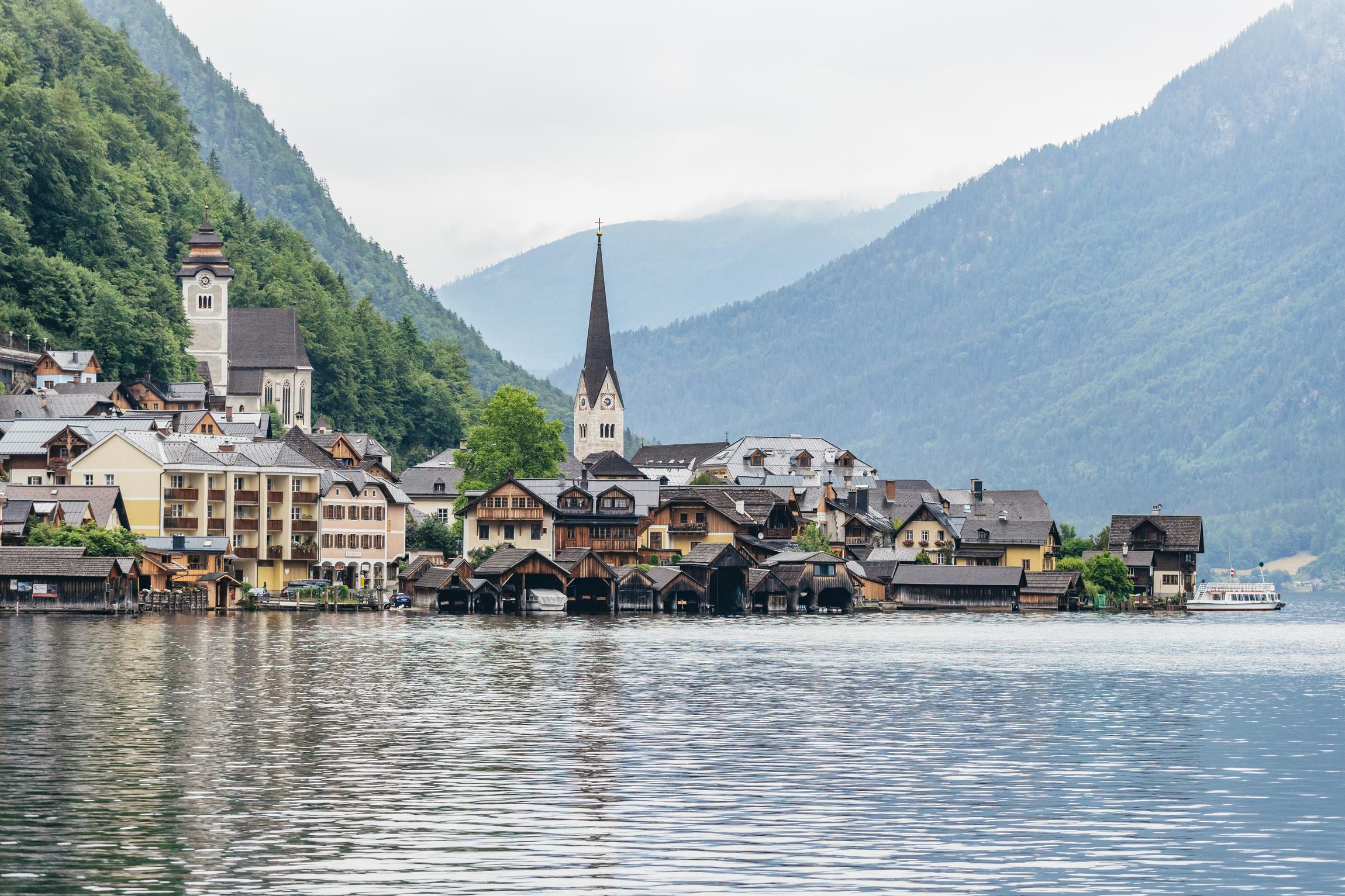
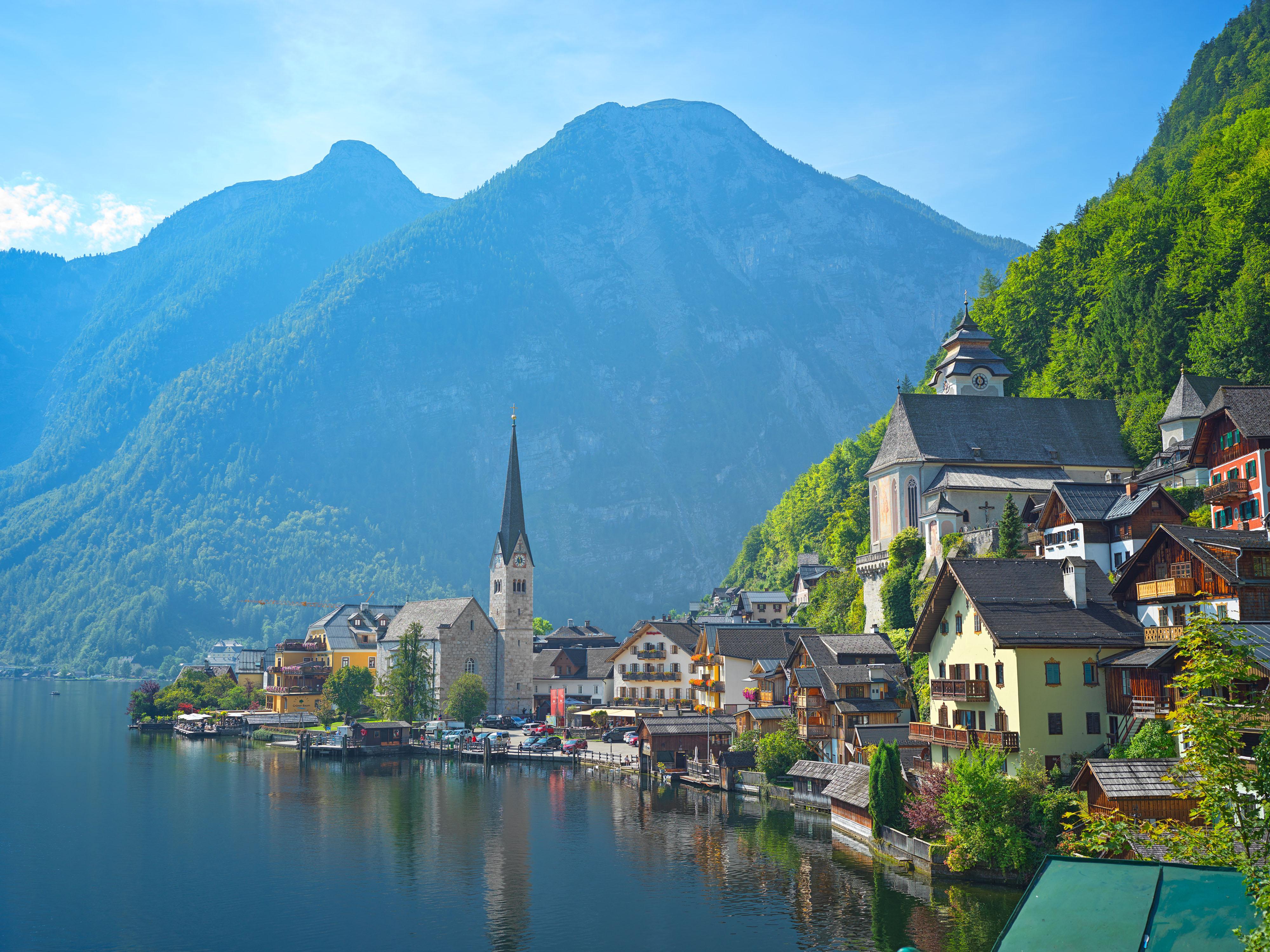
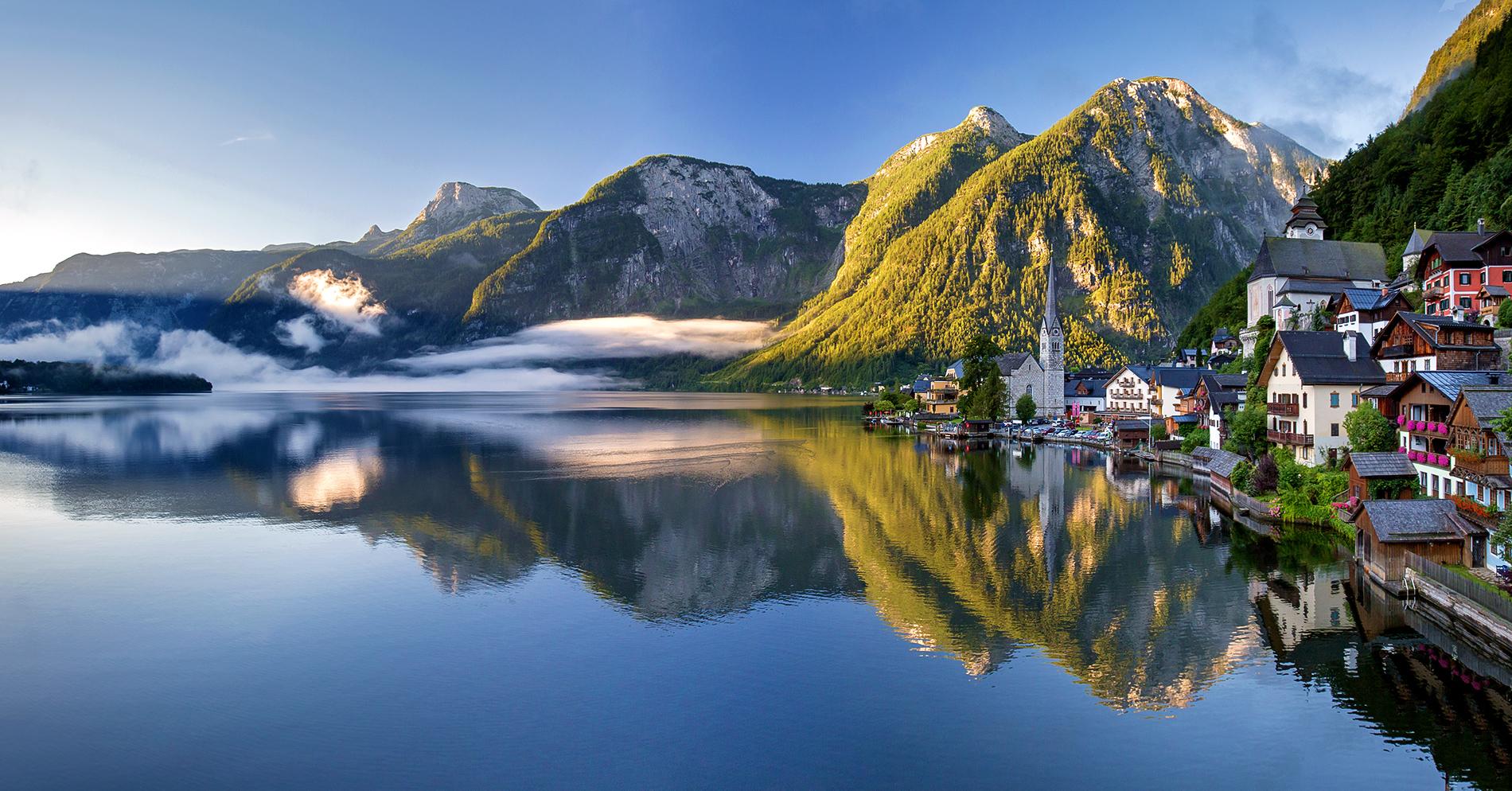
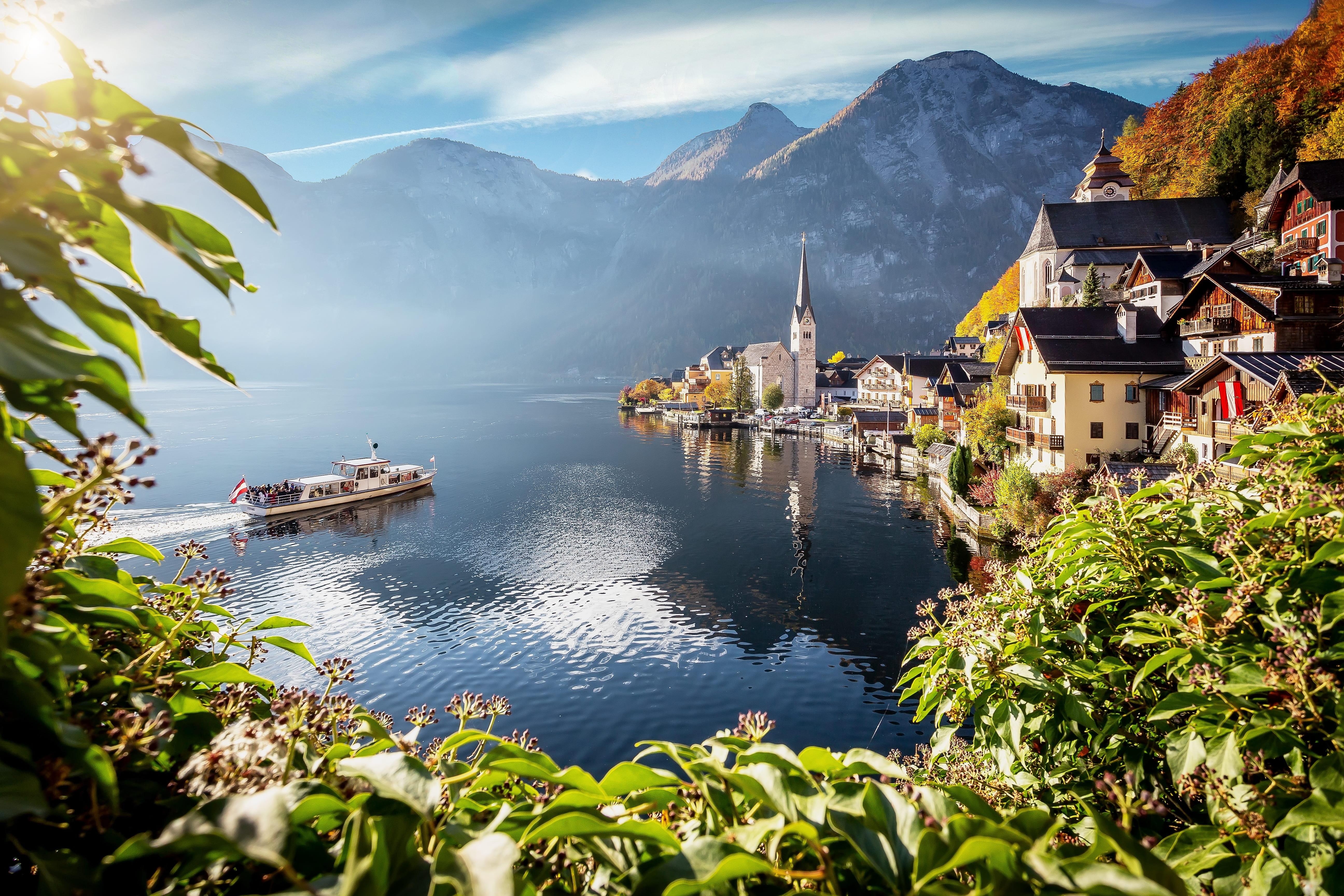
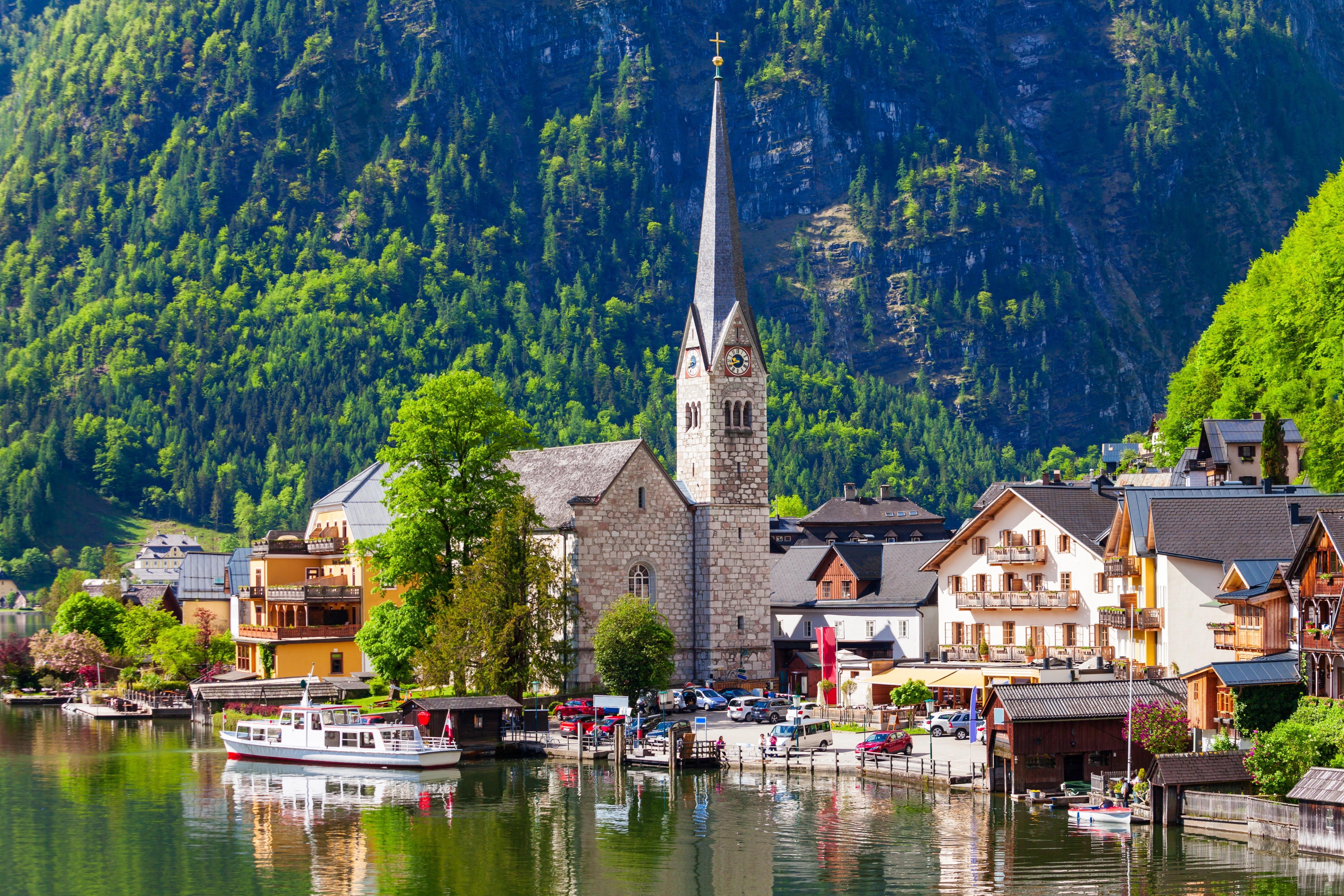
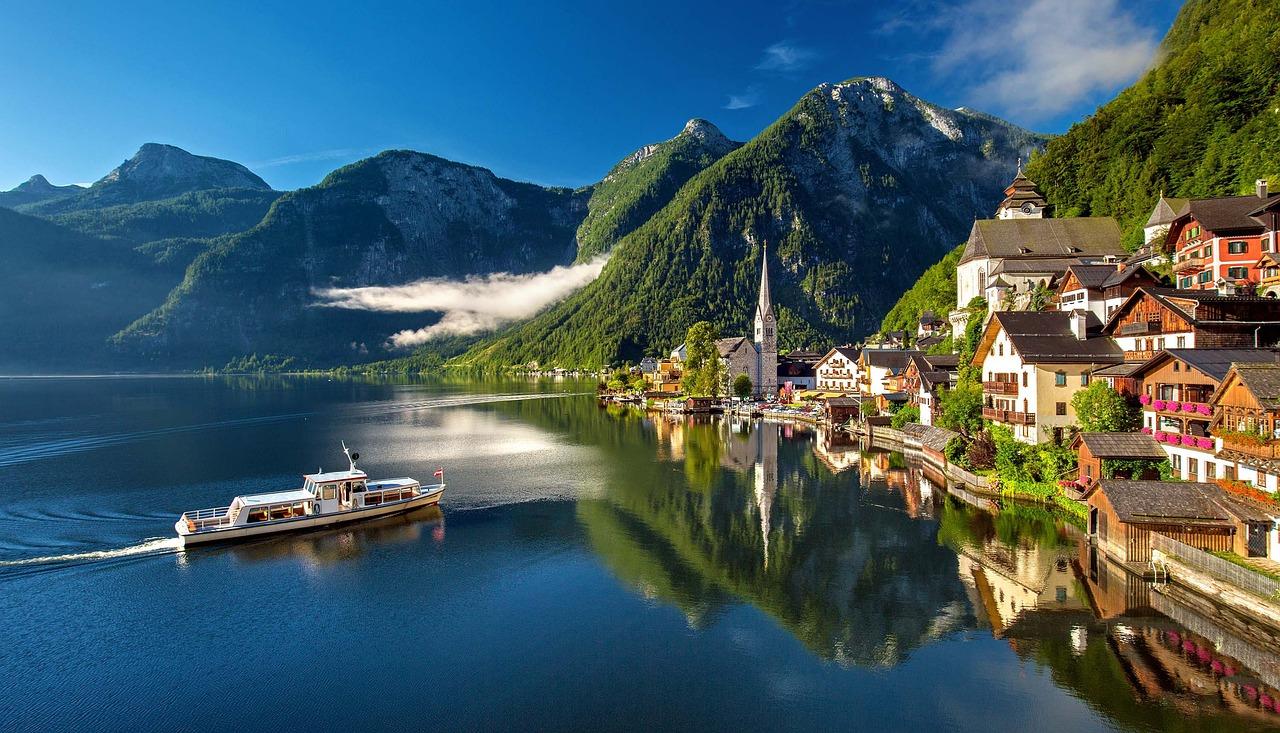
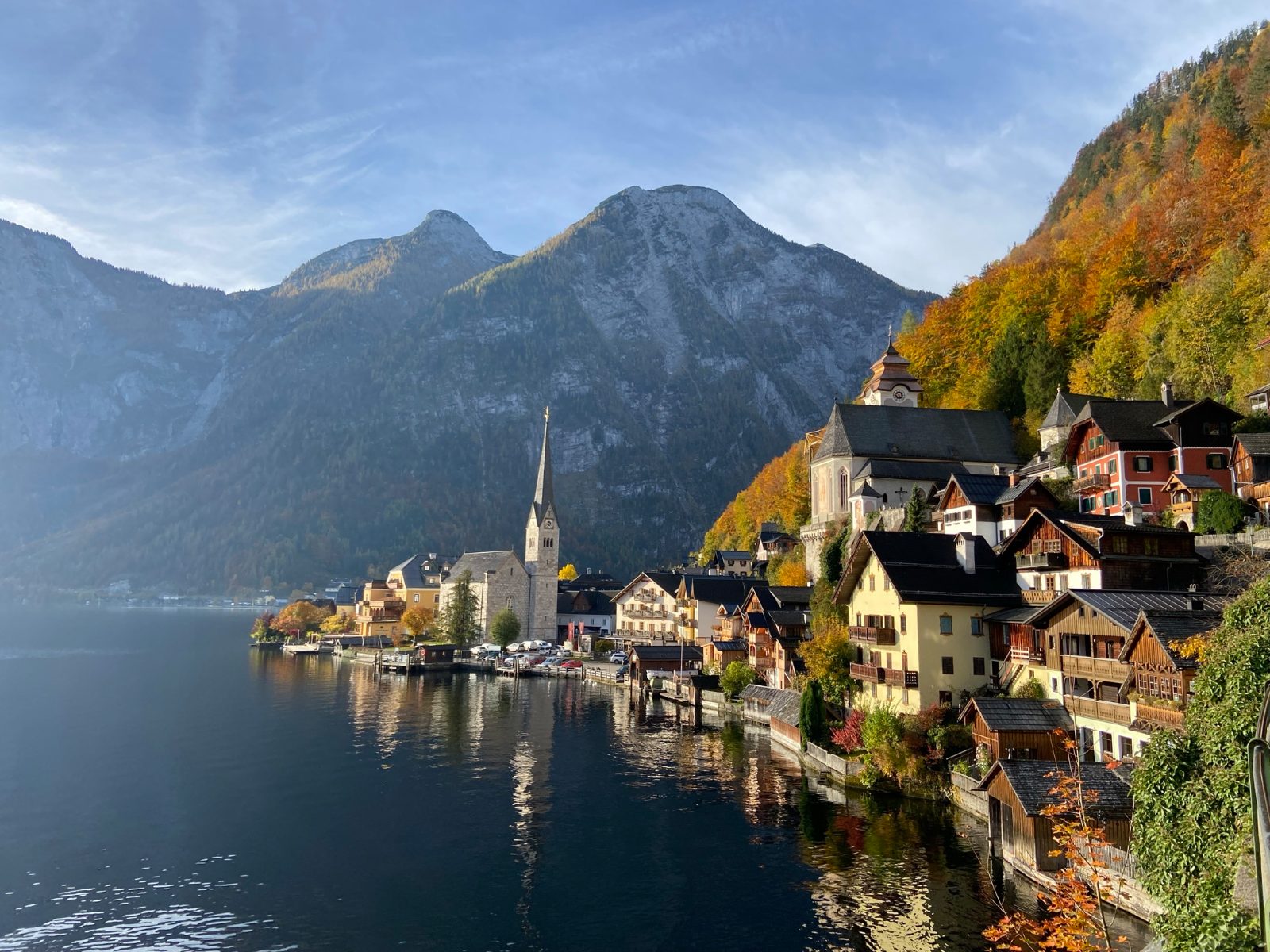
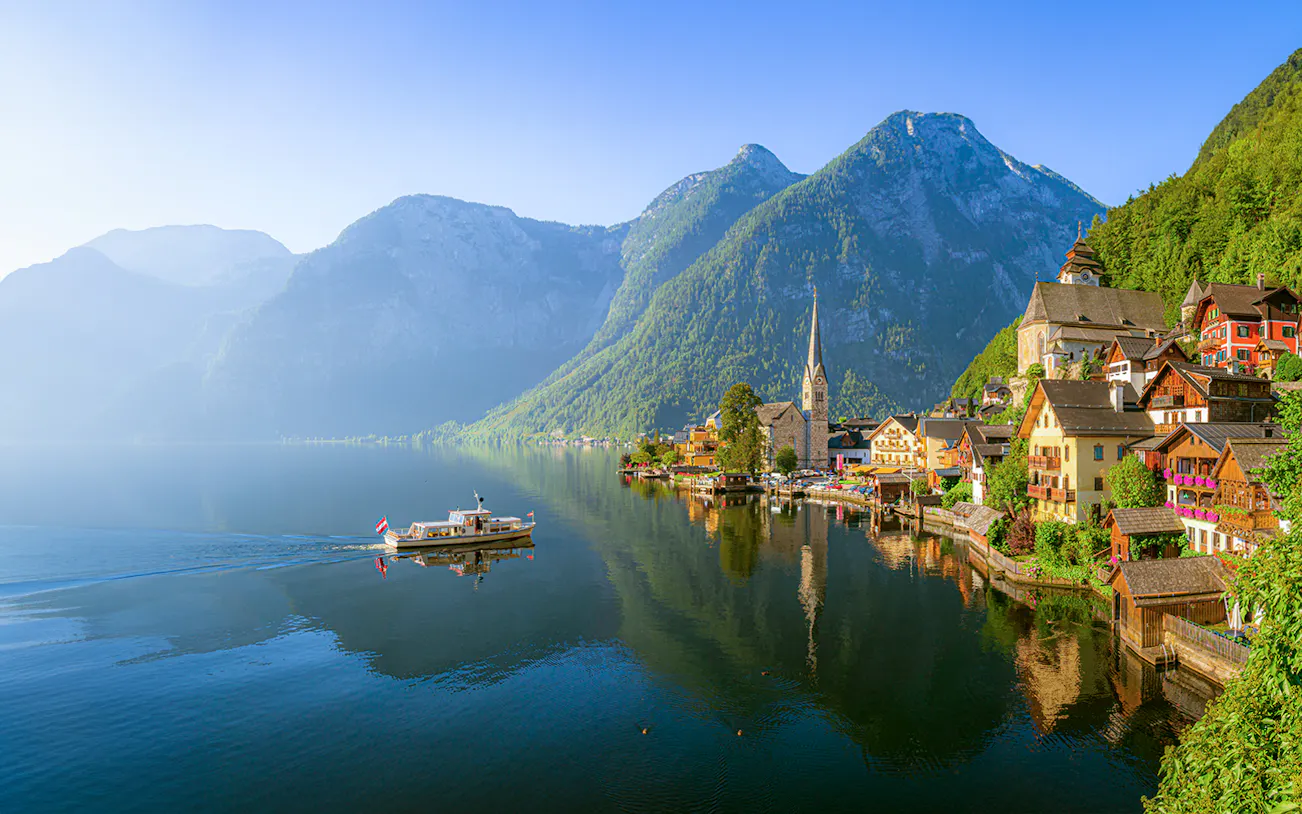
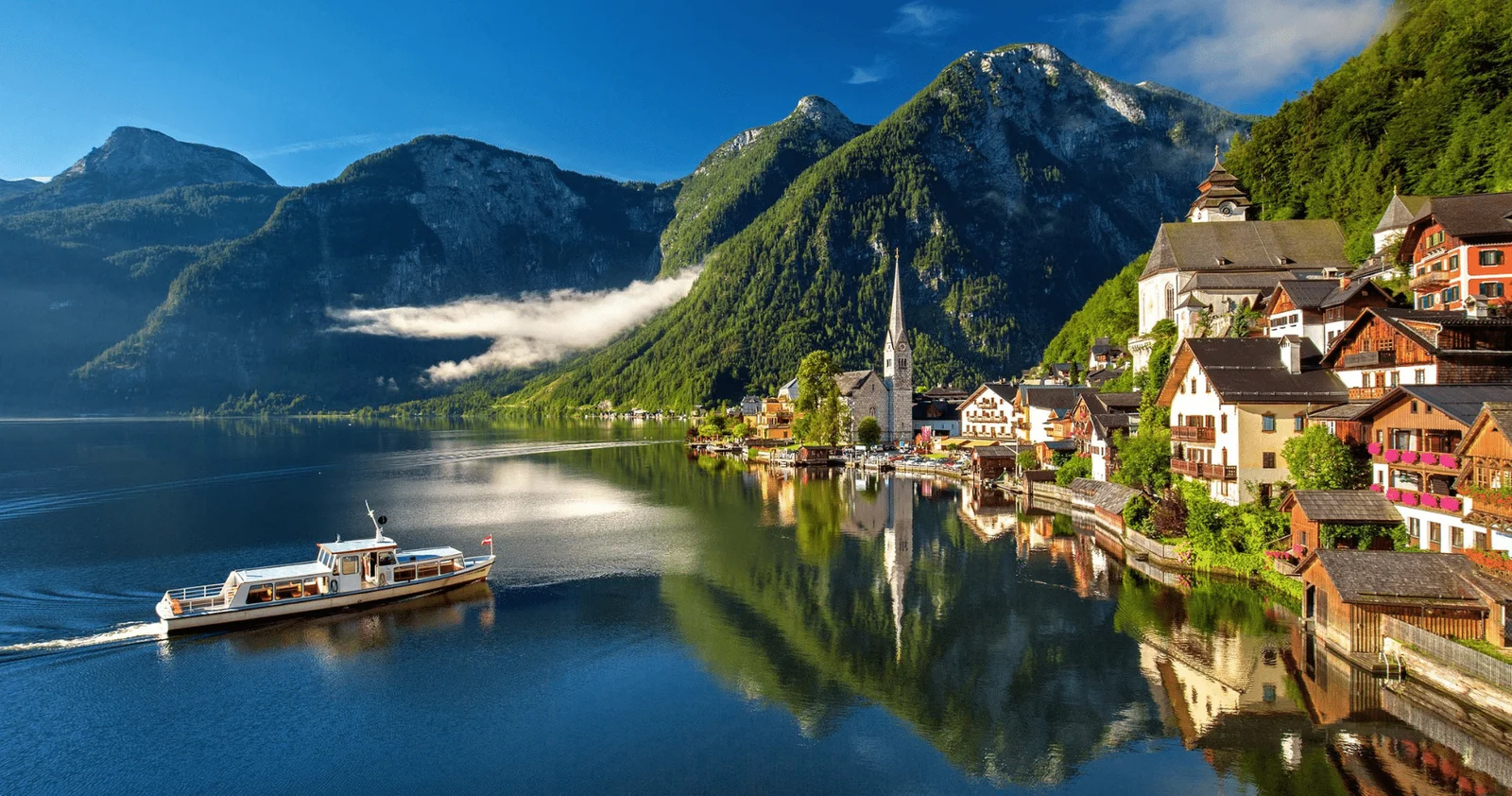
You board the coach in Salzburg's Mirabellplatz at 08:30, following the A10 motorway south before turning east into Salzkammergut lake country. Ninety minutes later, you descend through Obertraun and catch your first sightline across Hallstätter See — timber houses stacked in vertical rows against the Dachstein face.
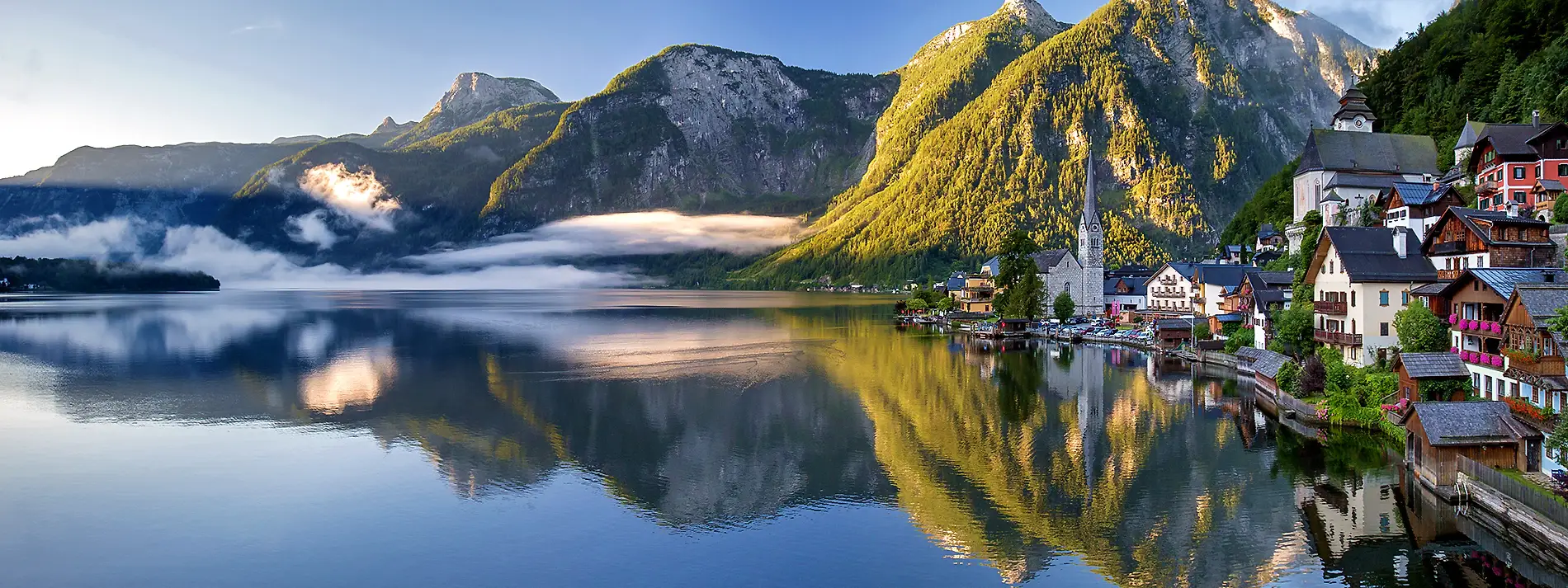
The bus parks in the tunnel lot; you walk fifty metres to emerge at lake level, where the Lutheran church spire and pastel façades arrange themselves in the classic postcard frame.
You have two hours. The funicular departs every fifteen minutes for Salzwelten — the salt mine tour descends 400 metres into Bronze Age galleries, where wooden slides and underground lakes occupy the same tunnels ancient miners carved with fire-setting and iron picks. Returning to the village, you follow Seestraße past the Market Square fountain, pausing at the Catholic church to climb the ossuary stairs. Inside, painted skulls rest on wooden shelves labelled by family name. The gift shops lining Kirchenweg sell smoked trout from local fisheries and hand-carved larch ornaments.
By 13:00, you return to the coach for the return journey. The entire excursion spans five hours — sufficient to photograph the lakefront, tour one major attraction, and walk the central streets before the midday crowds compress the narrow lanes into single-file corridors.
All the details about your upcoming adventure in one place
Hallstatt's 16th-century Lutheran church holds fewer than sixty wooden pews, yet its ossuary contains 1,200 painted skulls — a mortality register spanning four centuries in a village where cemetery space remains scarce.
Wedged between Dachstein massif and Hallstätter See, this Salzkammergut settlement of 780 residents occupies a lakeshore ledge so narrow that its cemetery rotates remains every decade. Salt mining financed the timber houses stacked along Seestraße since the Bronze Age; archaeologists excavating the Salzberg tunnels uncovered preservation so complete that 3,000-year-old miners' leather knapsacks and wooden tools survive intact. The Hallstatt culture — Iron Age civilization named for this site — exported salt along trade routes reaching the Mediterranean by 800 BCE.
Today Hallstatt functions as Austria's most photographed village and a UNESCO World Heritage anchor, drawing 10,000 daily visitors during summer peak. The Market Square fountain, installed in 1542, marks the social centre where Seestraße and Kirchenweg converge beneath pastel-painted Gothic façades. Behind the square, the Catholic parish church Maria am Berg commands the slope — its winged altar carved by Leonhard Astl in 1510 depicts the Marian Assumption in polychrome linden wood. The adjacent charnel house displays skulls decorated with names, death dates, and floral wreaths in black, a funerary art tradition unique to alpine Catholic regions.
Hallstatt's architectural vernacular reflects vertical constraints: three-storey houses compress storage, workshop, and living quarters into narrow footprints, their overhanging upper floors maximising interior space without expanding the stone foundation. Larch timber weathers silver-grey against whitewashed plaster; carved balconies cantilever over cobblestone lanes barely two metres wide. The Rudolfsturm watchtower, perched 280 metres above the lake, dates to the 13th century when salt taxation required military oversight. Modern visitors access it via funicular, though the original garrison climbed a zigzag stair carved directly into the cliff face.
The village's position on the western shore means morning light illuminates the timber façades and lake surface simultaneously — photographers cluster near the northern boat landing between 08:00 and 10:00. By midday, tour buses congest the lakeside parking tunnel, and foot traffic saturates the market square. Winter transforms the circulation pattern: fewer visitors, but reliable snow on the Krippenstein plateau above creates alpine access challenges that make the salt mine's year-round underground passages a stable alternative for cultural programming.

The Hallstatt culture exported salt along trade routes reaching the Mediterranean by 800 BCE.
Casual, weather-appropriate clothing is recommended for your hallstatt half day tour from salzburg. Ensure footwear is suitable for walking on historic stone paths.
Standard backpacks are permitted while exploring the village independently. Large luggage should be left at designated storage areas outside the main center.
Photography is encouraged throughout the public areas of Hallstatt. Please maintain distance from private homes to respect local privacy during your hallstatt half day tour from salzburg.
The village is family-friendly with open spaces for children. Note that narrow paths may be difficult for some double-wide strollers.
The village core features cobblestone streets and some inclines. Visitors with limited mobility should check specific tour operator vehicles for accessible transport options.
Numerous cafes and restaurants serve local Austrian cuisine within the village limits. Bringing personal water bottles is recommended for your hallstatt half day tour from salzburg.
Opening Hours
00:00–23:59
Address
Hallstatt, 4830, Austria
Site Access
Village is open to public pedestrians
Arrival
08:00–10:00
Storage
Public lockers available near bus terminal
Navigation
Use official digital village map
Public transport · 2h · Variable pricing
Take the train to Hallstatt station followed by the ferry across the lake.
Car · 1.5h · Parking fees apply
Park at designated lots outside the village and use the shuttle.
Tours booked for a hallstatt half day tour from salzburg typically follow a 24-hour cancellation window for full refunds. This policy applies to operator-led services; public village entry remains 0 EUR.
Recommended time
Half a day
Planning your hallstatt half day tour from salzburg requires starting early to navigate the village layout before large groups arrive. A 5.5-hour duration is sufficient to explore the UNESCO heritage site, though securing hallstatt half day tour from salzburg tickets for local salt mine transport early is advised. Managing your arrival within the 08:00–10:00 window helps mitigate peak crowd density as the day progresses. Consider this hallstatt half day tour from salzburg tour as an efficient way to experience the salt-mining history and lakeside scenery without overstaying the peak influx.
Crowd levels through the day
Weather · crowds · average price — dots go green to amber to red as each metric rises.
Mild weather and blooming flowers create a calm atmosphere for a hallstatt half day tour from salzburg.
Expect high temperatures and peak tourist volumes during these months.
Cooler air and autumn foliage provide scenic backdrops for your visit.
Cold temperatures and snowfall create a quiet, festive environment in the village.
Secure your hallstatt half day tour from salzburg tickets well in advance to ensure availability.
Arrive between 08:00–10:00 to avoid the busiest bus schedules.
Remember that this is a living village, not a museum, so avoid private residential areas.
Arrive by train and ferry for the most scenic entry experience.
Weather in the Alps changes rapidly, so bring layers even in summer.
Smaller shops and cafes often prefer cash over card payments.
Hallstatt's importance extends seven millennia beyond the picturesque village visitors encounter on a hallstatt half day tour from salzburg. Around 5000 BCE, Neolithic settlers recognized the salt deposits within the mountain, establishing mining operations that would define the region for millennia. By the Iron Age, between 800 and 400 BCE, Hallstatt had become the center of a vast salt-trading network that archaeologists now recognize as the Hallstatt culture—the name given to early Iron Age European civilization. Over 2,000 graves discovered in the adjacent hillside cemetery contained weapons, bronze vessels, and jewelry from as far as the Mediterranean, evidence of wealth generated by the salt mines that gave local chieftains extraordinary power. The salt mine itself represents the world's oldest known salt extraction site, with wooden mining tools and leather knapsacks preserved in the mine's cold, dry conditions dating to 1500 BCE. Medieval records show continuous operation through the 12th century, when Hallstatt joined the Salzkammergut imperial salt monopoly under Habsburg control. The mine's economic output financed Austrian imperial ambitions well into the 19th century. In 1846, Georg Ramsauer, a mine manager, systematically excavated the Iron Age cemetery, unearthing artifacts that revolutionized archaeological understanding of pre-Roman Europe. His meticulous documentation established scientific excavation standards still referenced today. UNESCO designated Hallstatt and the Dachstein Salzkammergut a World Heritage Site in 1997, recognizing both the cultural landscape shaped by continuous salt extraction and the archaeological significance of the Hallstatt culture type-site. The designation acknowledges how human activity—mining, trading, and dwelling—created a distinctive Alpine settlement pattern. While hallstatt half day tour from salzburg tickets now provide the village's primary revenue, the salt mine remains operational, its tunnels extending 21 kilometers into the mountain, linking contemporary tourism with an industry older than written European history.
Neolithic communities establish the first salt extraction operations in the Hallstatt mountain.
The Hallstatt culture flourishes as an Iron Age trading power, with grave goods revealing Mediterranean connections.
First written record documents Hallstatt under the name Hallstat in a salt trade agreement.
Mine manager Georg Ramsauer excavates the Iron Age cemetery, founding modern scientific archaeology.
UNESCO inscribes Hallstatt-Dachstein Salzkammergut as a World Heritage Site for its cultural landscape.
Mass tourism transforms the village economy, with Asian visitors drawn by its alpine aesthetic.
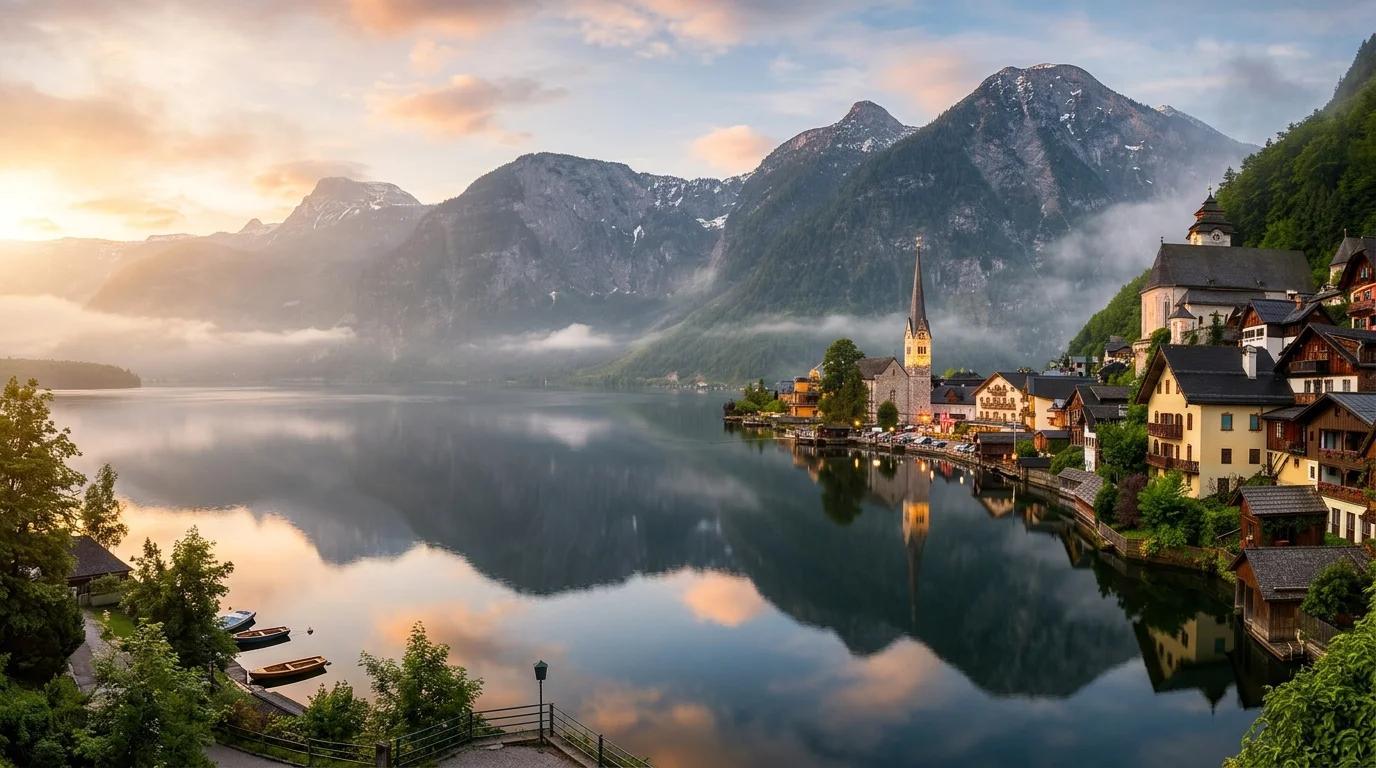
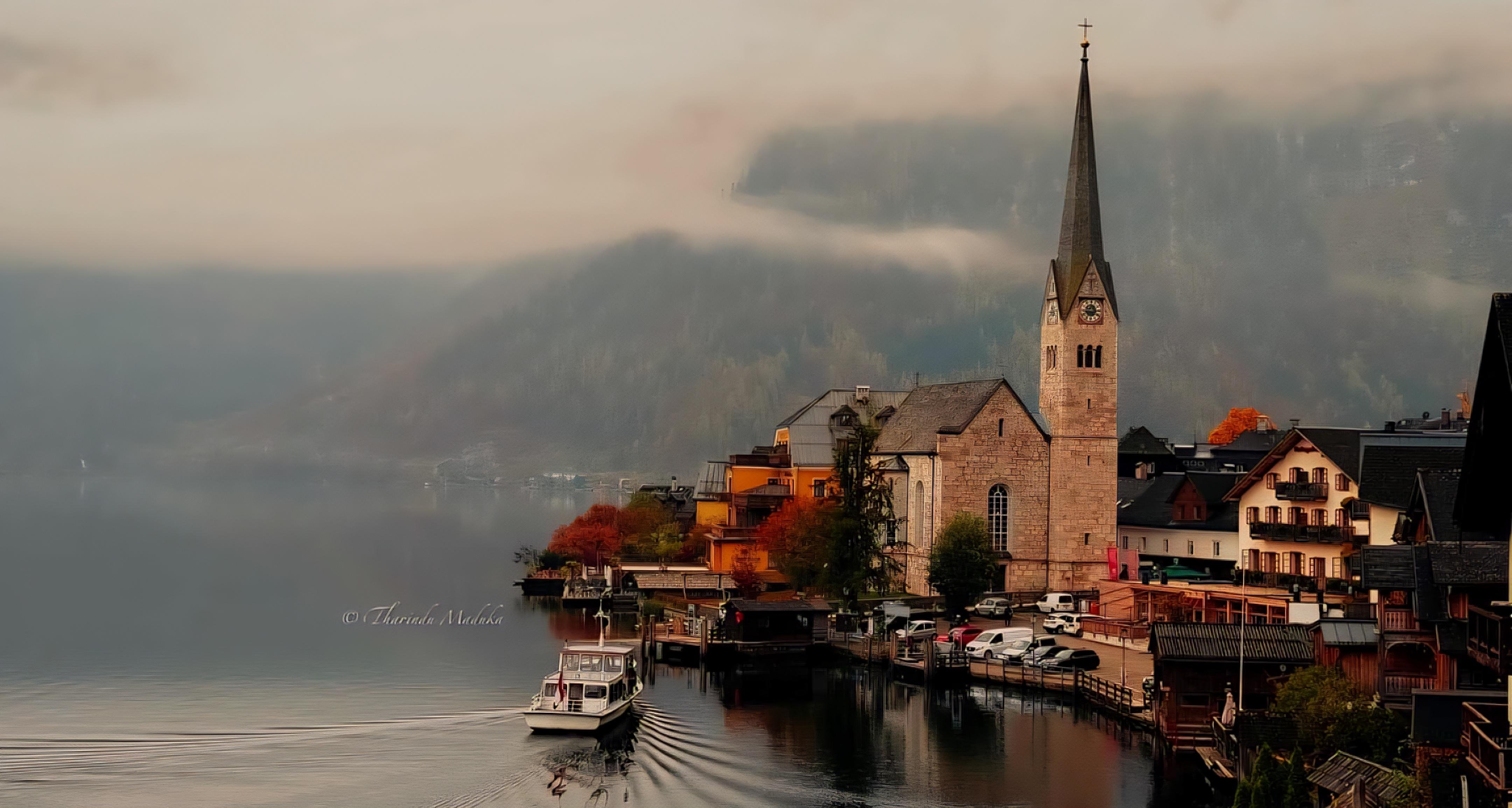
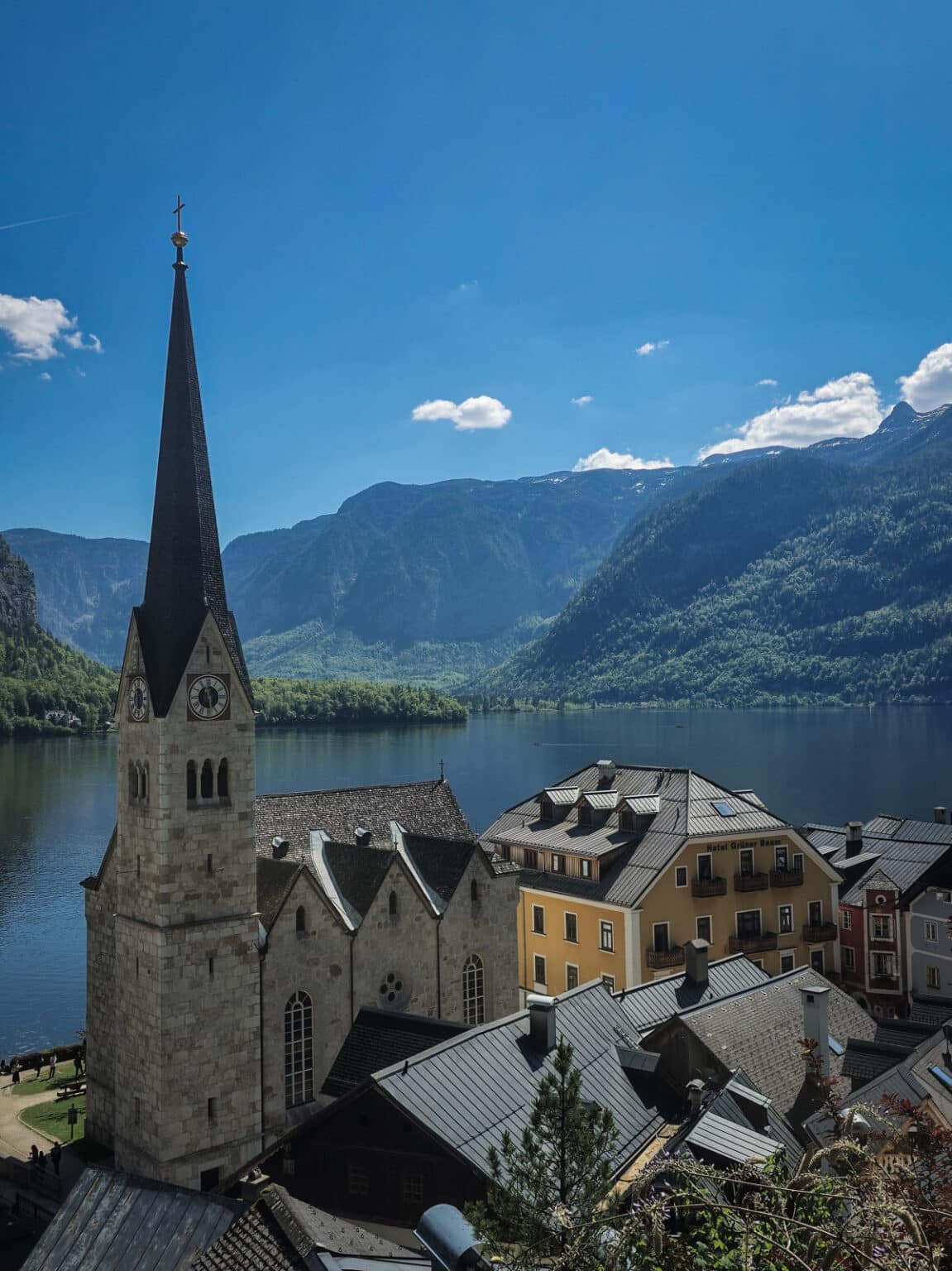
This is the spot where the famous postcard angle is captured. Stand on the northern edge of the village along Gosaumühlstraße for the perfect composition of the church spire reflecting in the lake, which is a highlight of any hallstatt half day tour from salzburg.
Located near the town center, this structure features a slender spire that defines the skyline. Capture the architecture from the waterfront path to frame the building against the steep mountain slopes.
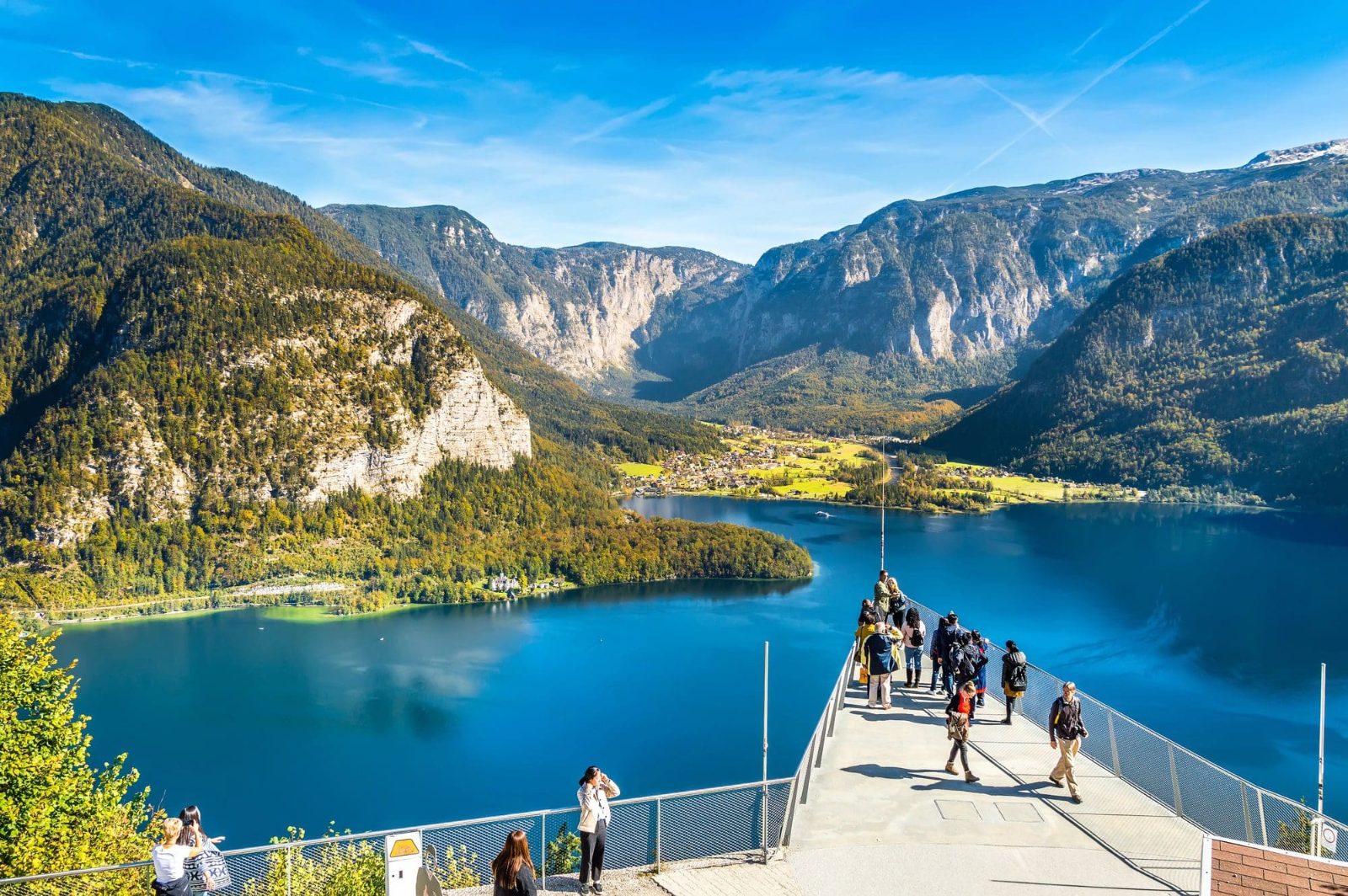
Accessed via the funicular, this viewing platform provides a high-altitude perspective of the salt mine region and the lake below. It offers a broad vista of the UNESCO heritage landscape, serving as a key stop for those seeking wider mountain vistas on their hallstatt half day tour from salzburg tours.
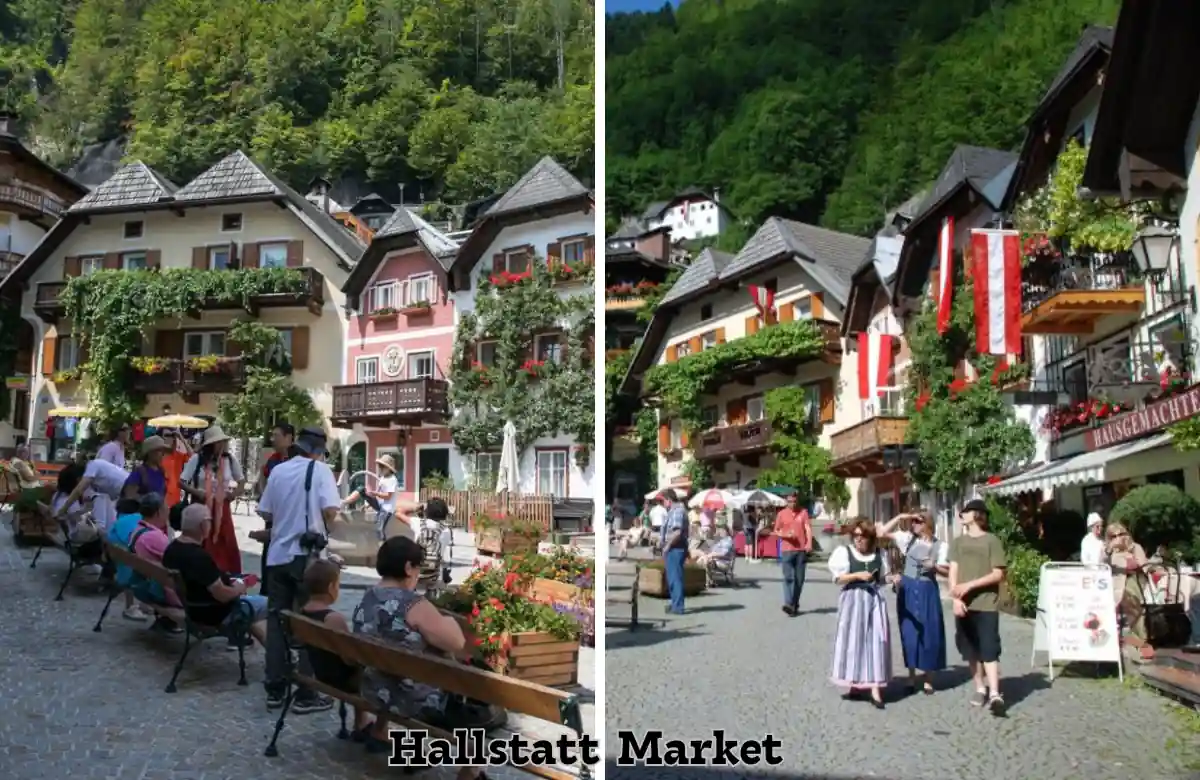
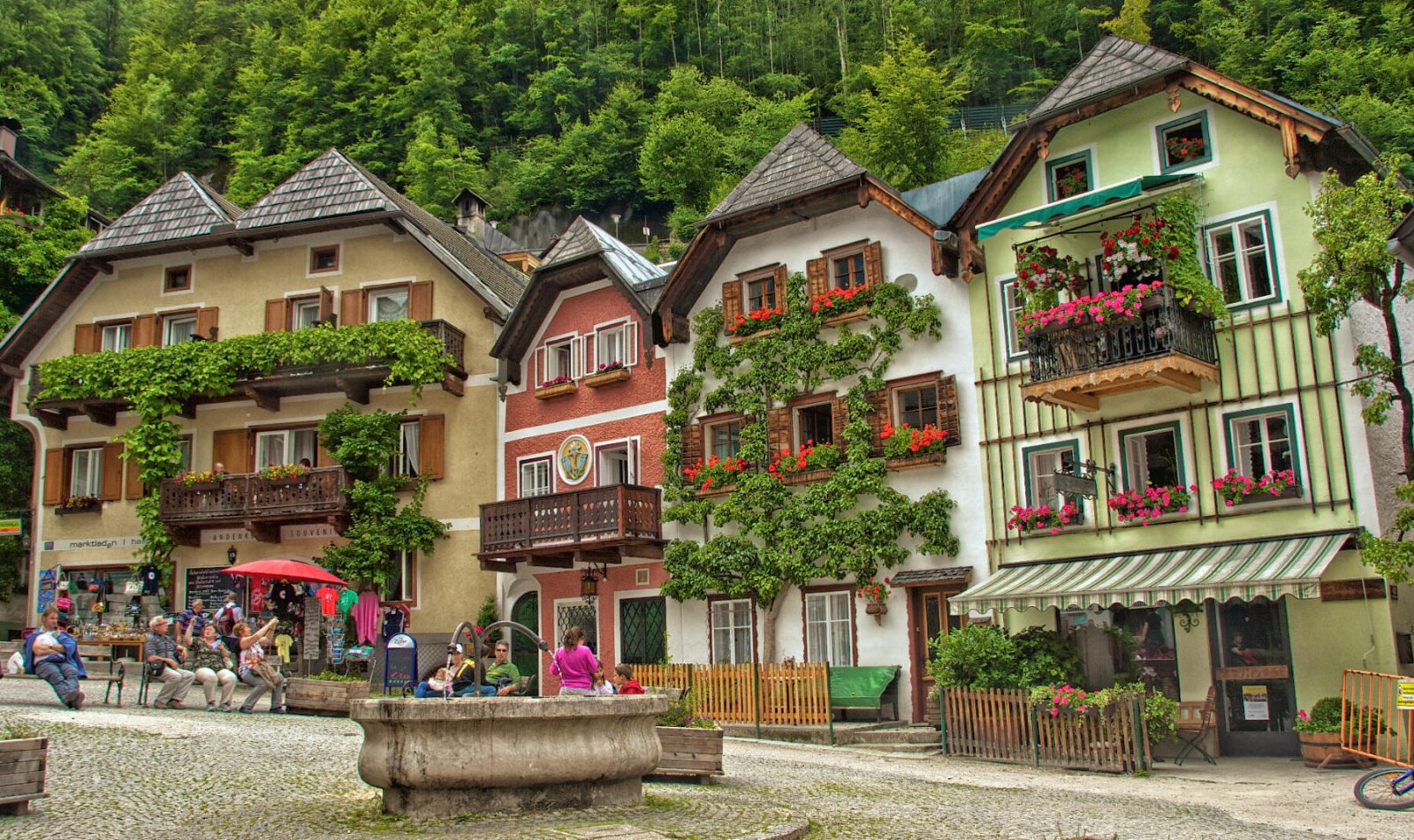
The central square features traditional colorful houses and a central fountain that creates a charming atmosphere. Position your camera at ground level to include the historic building facades found during a hallstatt half day tour from salzburg tour.
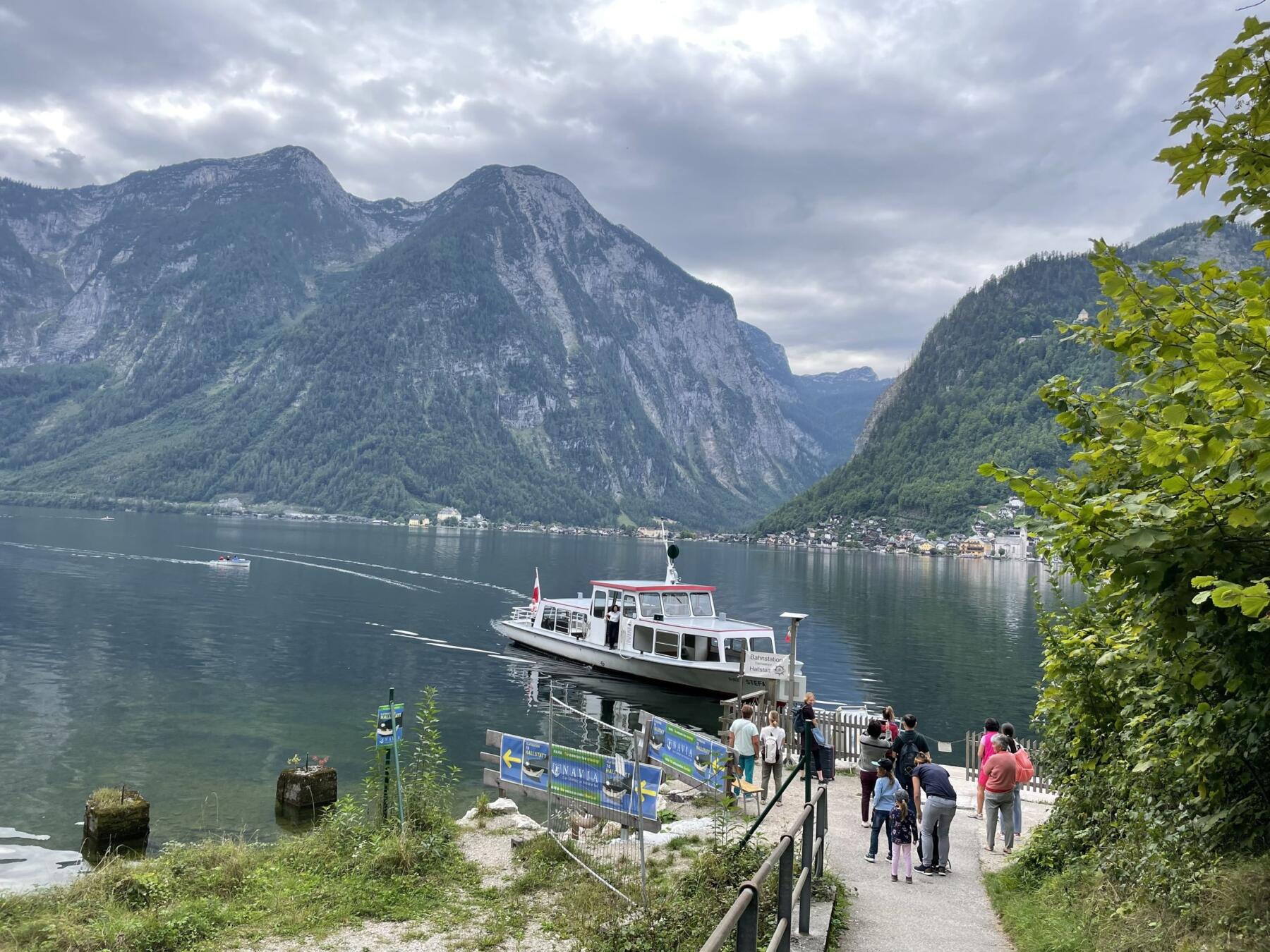
This area provides a wide-angle perspective of the village nestled against the mountains. It is a quiet spot to observe the ferry arrivals and capture the serene water ripples before securing hallstatt half day tour from salzburg tickets for other activities.
Planning a hallstatt half day tour from salzburg with children requires preparation to navigate the narrow Alpine streets comfortably. This UNESCO World Heritage village offers a compact experience, making a hallstatt half day tour from salzburg tour manageable for families if you follow the best arrival window of 08:00–10:00.
The village is largely pedestrian, but narrow alleys and stairs make a lightweight, foldable stroller or a carrier more practical for your excursion.
Public restrooms are available within the village, though you should plan for stops before starting your descent from the parking areas.
To ensure a stress-free trip when booking hallstatt half day tour from salzburg tickets, maintain a relaxed speed to account for the unique lakeside terrain.
Local bakeries and cafes provide quick snacks, though packing water and light refreshments is wise since the salt mine and mountain vistas involve significant walking.
The destination is well-suited for school-aged children who can navigate uneven paths, while younger toddlers will require more frequent breaks.
Finding a meal during a hallstatt half day tour from salzburg is straightforward, as the village center hosts several cafes and eateries perfect for a quick stop. Since most visitors arrive between 08:00–10:00, securing a table early ensures you have time to explore the lakefront landmarks before your return trip.
This historic venue offers traditional Austrian fare with outdoor seating overlooking the water. It is an ideal spot for those holding hallstatt half day tour from salzburg tickets who need a reliable meal within a short walk of the village square.
Located in the heart of the village, this cafe provides a selection of coffee and pastries suitable for a brief pause. Their efficient service makes it a preferred choice for guests on a hallstatt half day tour from salzburg tour needing quick refreshments.
This casual stall is perfect for travelers prioritizing efficiency, offering simple snacks that can be enjoyed while walking. It is a convenient option for those aiming to optimize their time before their hallstatt half day tour from salzburg tours departure.
Everything you need to know for your journey
The village is accessible 00:00–23:59 daily, allowing flexibility for your visit. Official tours operate based on scheduled provider times.
Entry to the village itself is 0 EUR. Local attractions like the salt mine may charge separate fees.
We recommend arriving between 08:00–10:00 to avoid peak crowds from tour buses.
Large luggage is not permitted in the village center. Utilize external storage facilities for bulky items.
Photography is allowed throughout the public village areas. Please respect local residents and their private property.
Yes, numerous cafes and restaurants are located within the village. You can purchase meals during your allotted free time.
A half-day tour typically provides 3–4 hours, which is sufficient for exploring the core village landmarks.
Most providers offer a refund if you cancel your hallstatt half day tour from salzburg within their specified window, usually 24 hours prior.
Yes, you can easily visit the Evangelical Church and the Hallstatt Skywalk while on your tour.
High altitude platform providing panoramic lake views.
Historic building located in the village core.
Join thousands of happy travelers who have discovered this incredible experience
Book Your Experience Now