5 hr 30 min
Hallstatt Half-Day Trip from Salzburg
- Expert local guide
- Small group
- Skip-the-line access
- Free cancellation
Hallstatt Day Tour from Salzburg — Alpine Villages & Lake Country
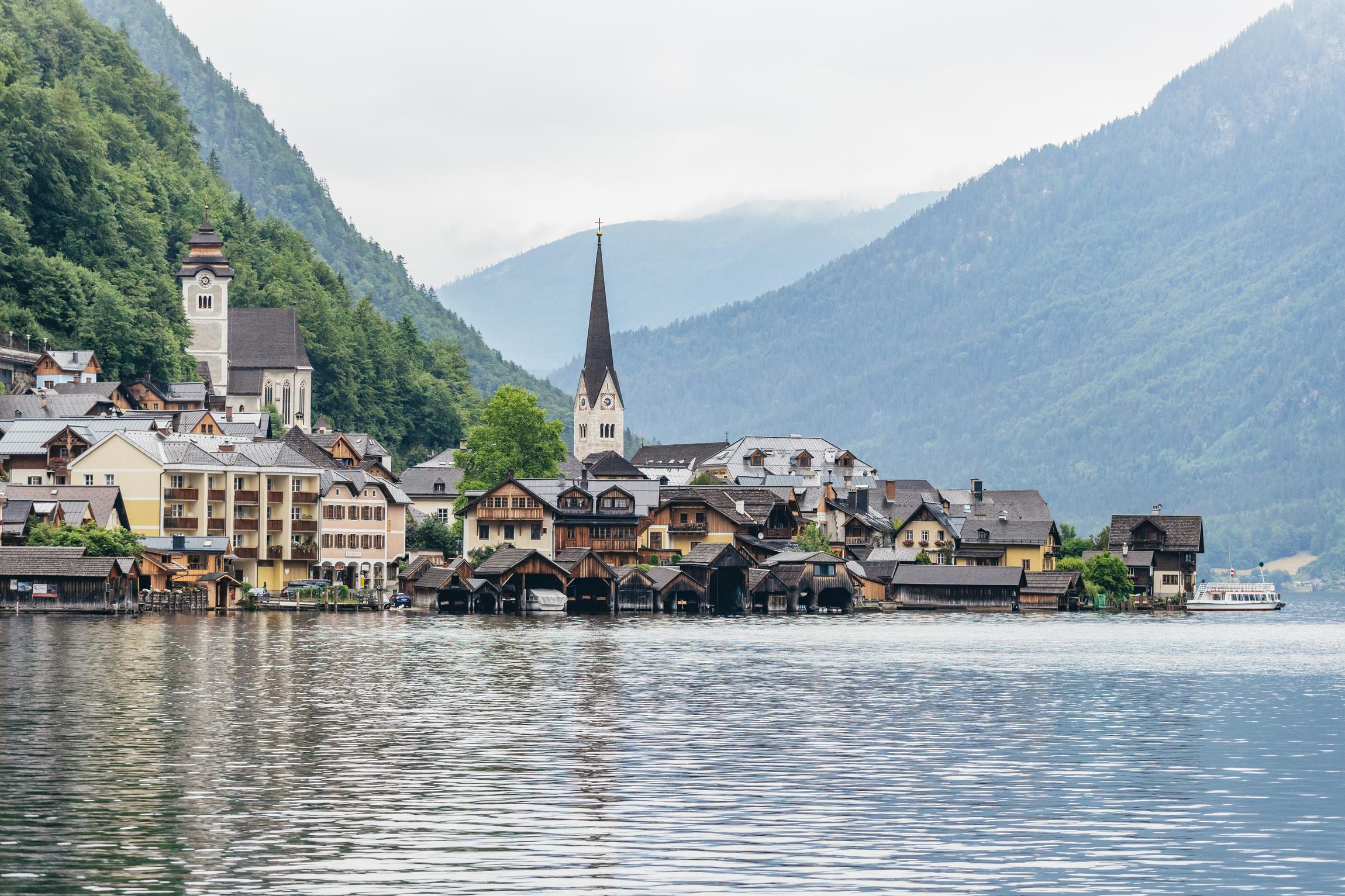
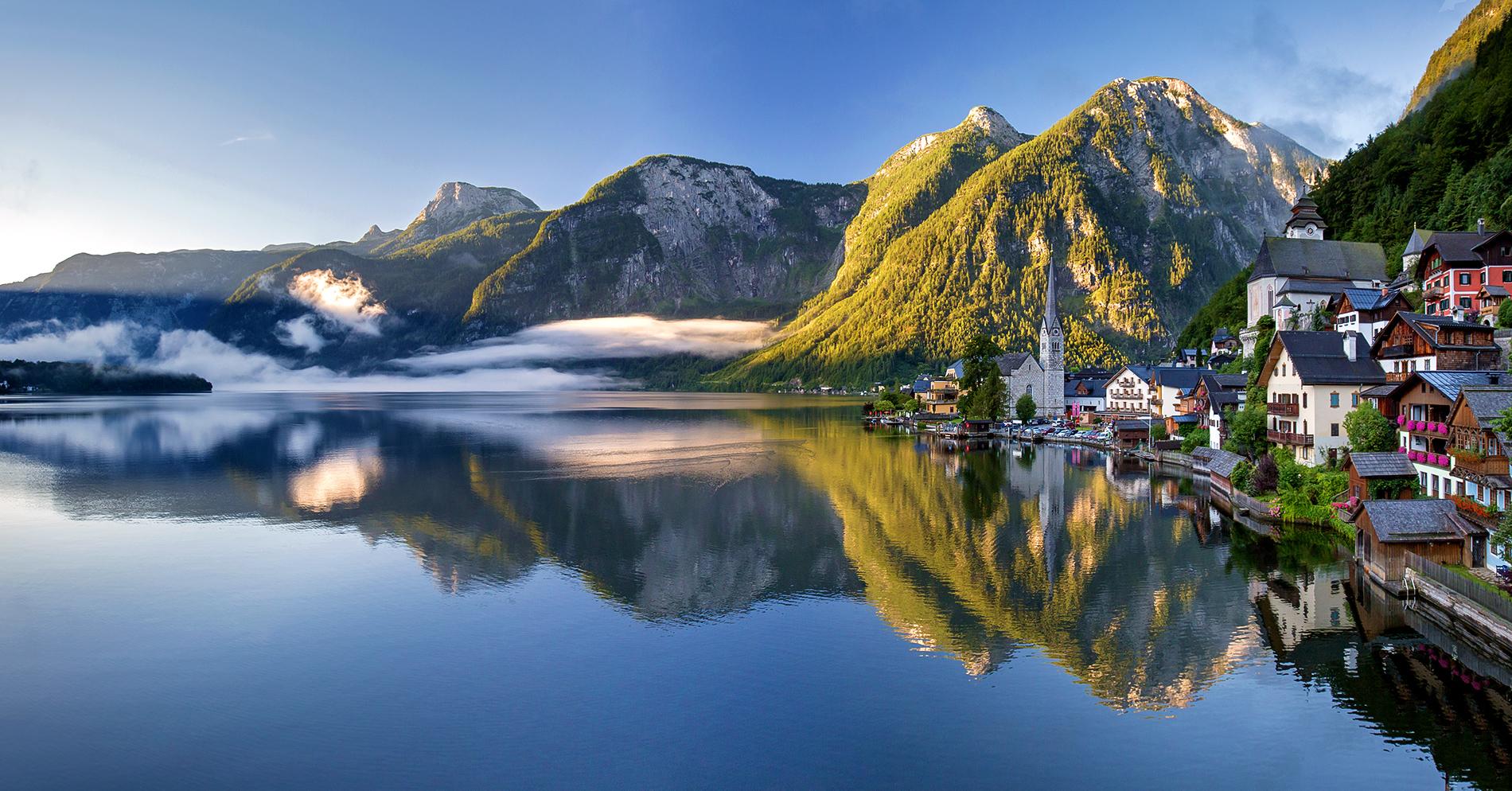
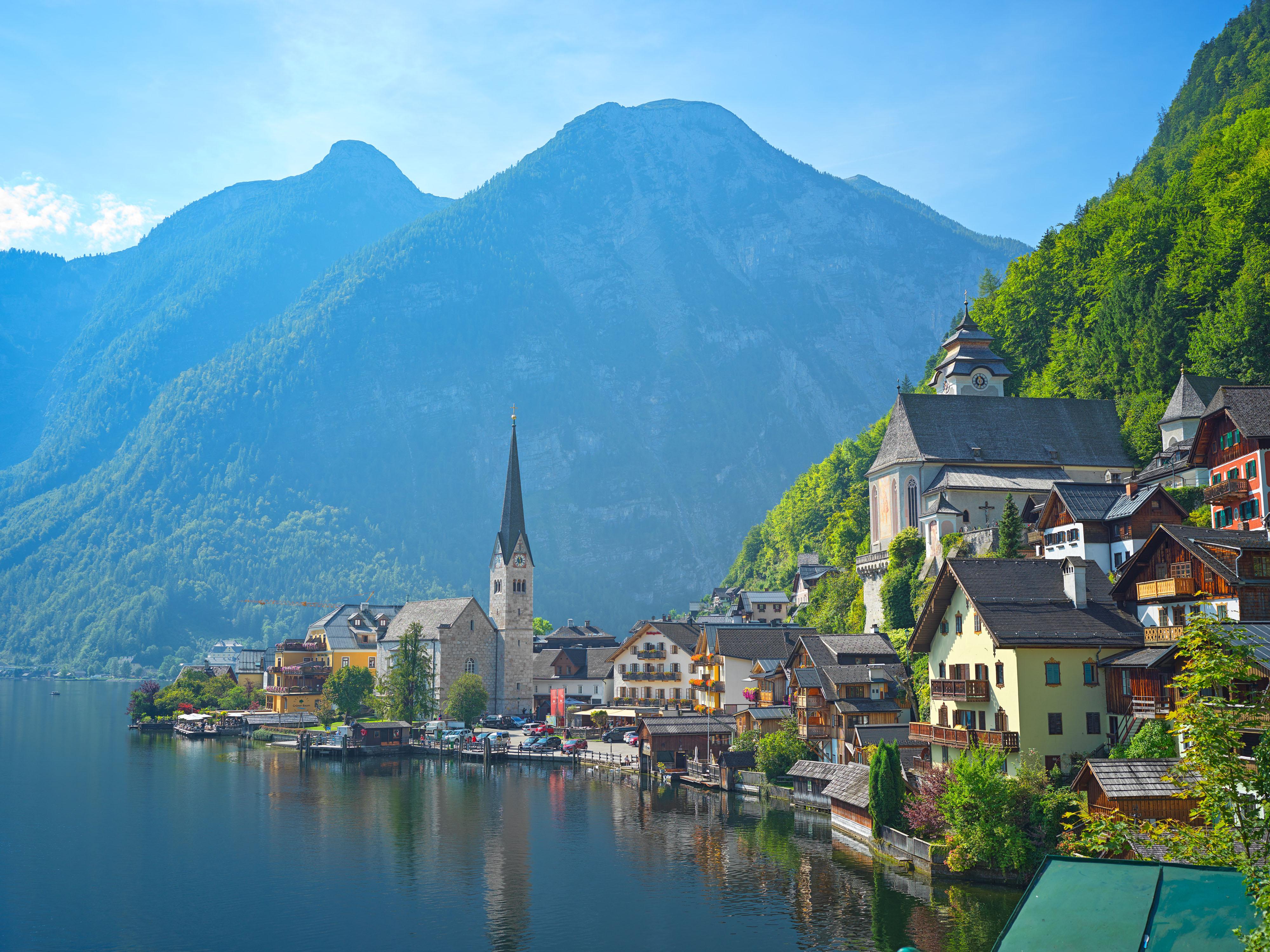
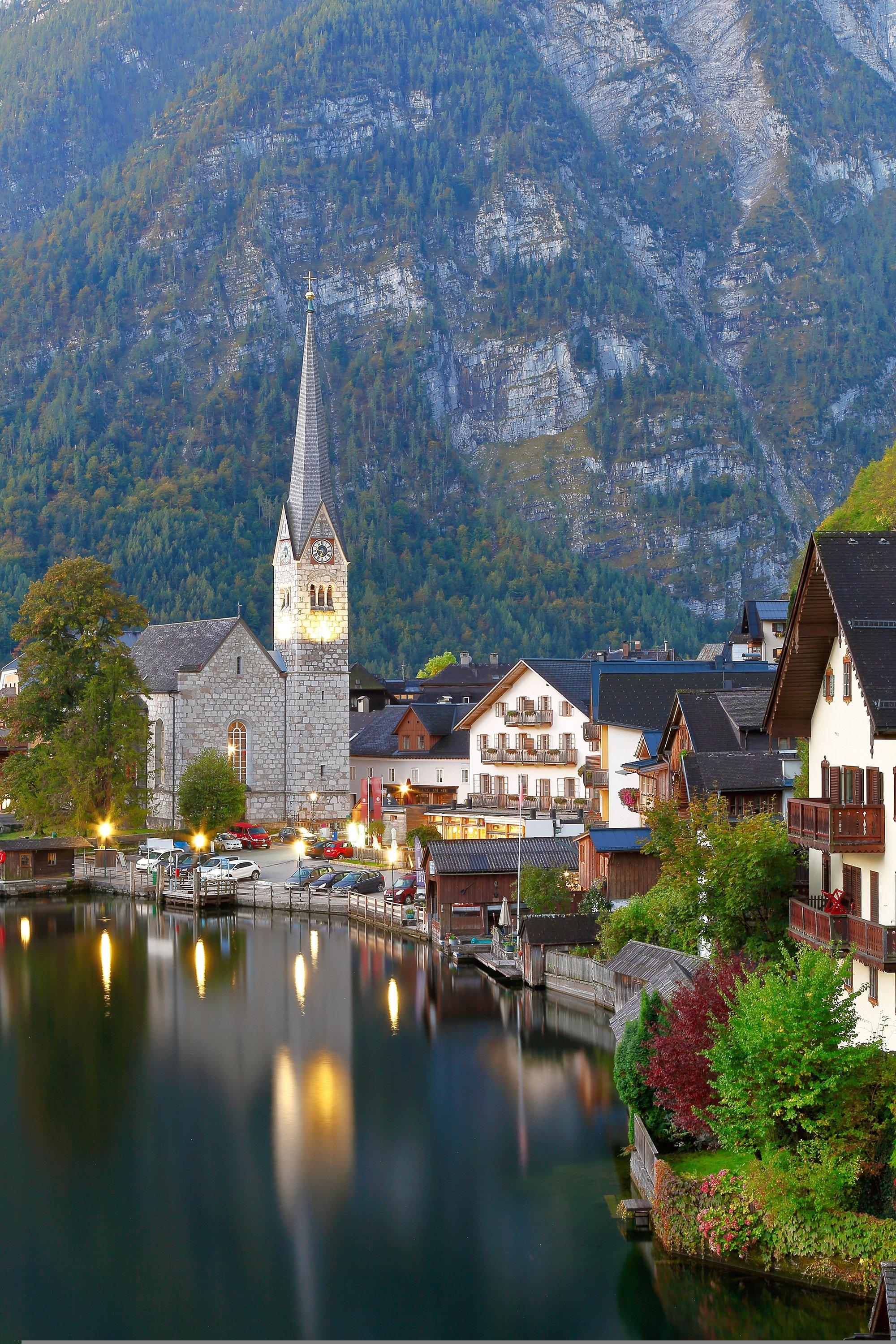
UNESCO hamlet on Hallstätter See, reached by coach through the Salzkammergut highlands.
Compare fares, pick the fit — all bookings are mobile-voucher and eligible for free cancellation where shown.
5 hr 30 min
10 hr
10 hr
Selecting the right ticket for your hallstatt day tour from salzburg depends on whether you wish to explore the subterranean salt tunnels or simply enjoy the panoramic views from the funicular and Skywalk.
| Funicular & Skywalk Only Viewpoint Access |
Top pick Salzwelten All-Inclusive Mine Tour & Lift |
|
|---|---|---|
| Access Level | High Valley Platform | Mine & High Valley |
| Included Areas | Skywalk Lookout | Mine, Slides, Lake & Skywalk |
| Wait Time | Minimal | Timed entry recommended |
| What's Included | Round-trip funicular ride | Guided tour plus funicular |
| Best for | Photography & Scenery | First-time history explorers |
| See tickets & prices |
Verdict: Book the All-Inclusive option for your hallstatt day tour from salzburg if you want the full experience of the world's oldest salt mine.
Worth it for scenic village access
A hallstatt day tour from salzburg delivers a UNESCO-listed alpine village framed by the Dachstein massif and Hallstätter See—entry to the village itself costs 0 EUR, though attractions like the Salt Mine charge separately. Half-day trips from Salzburg run around €60–€70 and cover the 75 km drive through the Salzkammergut lake district, leaving 2–3 hours for walking the historic market square, photographing the waterfront, and browsing bone chapel exhibits. Combined Sound of Music itineraries add Mondsee and filming locations for about €90–€110, while private alpine tours provide flexible stops at Wolfgangsee and Bad Ischl. The lakeside setting and preserved timber houses justify the fare for photographers and first-time visitors to the Austrian Alps; budget travelers can replicate the route via public bus (€10 each way) but sacrifice guided context and lose an hour each direction to connections.
Bottom line: Hallstatt day tour from salzburg tours pay off if you value guided alpine context over the €20 DIY bus fare and timetable hassle.
They complement each other; most visitors who do both call the village of Hallstatt the more picturesque choice, while the Ice Caves in Werfen offer a more thrilling alpine physical experience.
|
Top pick Hallstatt |
Werfen Ice Caves | |
|---|---|---|
| Focus | Lakeside architecture and history | |
| Travel time from Salzburg | 75–135 minutes | |
| Primary activity | Sightseeing and salt mine tour | |
| Physical demand | Low to moderate | |
| Seasonal availability | Year-round | |
| Entry ticket cost | 0 EUR (village) plus salt mine fee | |
| Transport mode | Bus, train, or private car | |
| See tickets & prices |
Verdict: Choose a hallstatt day tour from salzburg tours if you prioritize iconic lakeside photography and historic charm, whereas a visit to the Werfen ice caves is better for active travelers seeking an adventurous mountain excursion.
Hand-picked experiences loved by thousands of travelers
8 hours
Free Cancellation
Discover Austria's Lake District on a full-day private journey through alpine villages and emerald lakes
14 hours
Free Cancellation
Journey through Austria's alpine beauty to visit two iconic destinations in one unforgettable day
13 hours
Free Cancellation
Discover Austria's most iconic destinations on this full-day guided journey through mountain villages and historic cities.
13 hours
Free Cancellation
Small-group alpine escape to Austria's most photogenic lakeside village and Mozart's birthplace
8 hours
Free Cancellation
Discover three alpine gems on a chauffeured journey through Austria's lake district with ample time to explore independently
7 hours
Free Cancellation
Journey through Austria's alpine heartland with exclusive transport, exploring a UNESCO village and lakeside gems
9 hours
Free Cancellation
Discover alpine lakes and UNESCO heritage on a personalized 9-hour journey with your own driver-host
8 hours
Free Cancellation
Private 8-hour excursion to Austria's iconic lakeside village with funicular, skywalk, and underground mine tour
Arrival in Hallstatt village and orientation
Explore the historic center and waterfront
Guided exploration of the ancient salt deposits
Return transit for your hallstatt day tour from salzburg tour
Located near the cemetery, it houses an extensive collection of decorated skulls
Ossuary photography
Bone House exterior
Salt mine entrance
Lake Hallstatt panorama
Church spire view
You board a climate-controlled coach at Mirabellplatz in Salzburg's Neustadt quarter, departing by 09:00 to reach Hallstatt before midday crowds thicken. The 75-kilometer route follows the Salzkammergut Bundesstraße through Bad Ischl, where your guide recounts Franz Joseph's 1853 engagement to Elisabeth of Bavaria.
You arrive at Hallstatt's northern car park at 10:30, descending 200 meters on foot to the lakefront esplanade.
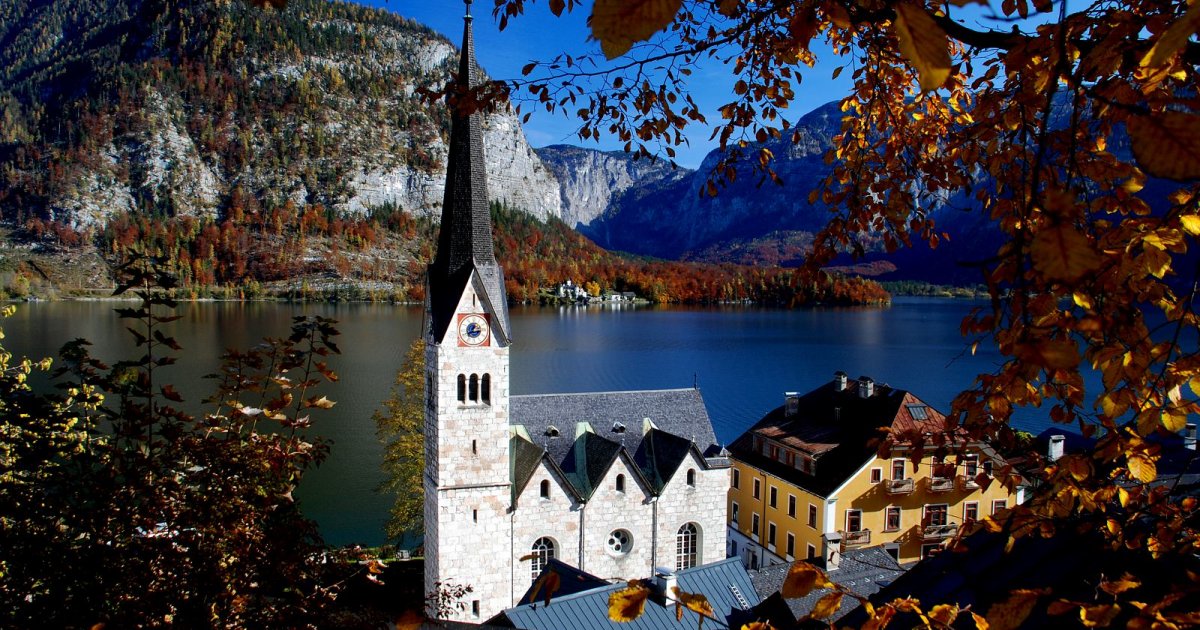
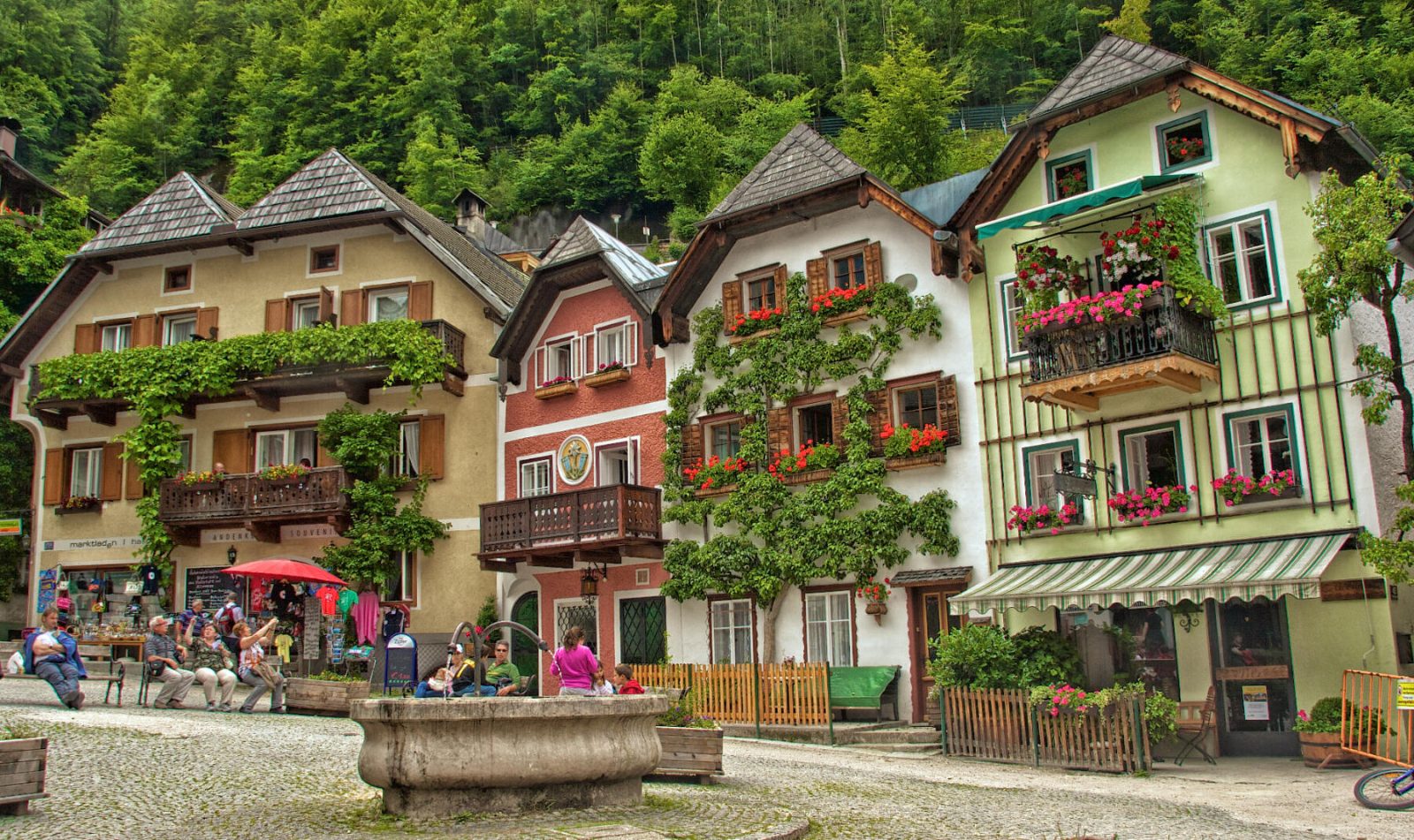
Your first stop is the Marktplatz, where 16th-century burgher houses lean into the slope, their ground floors converted to lace shops and cafés. The guide leads you through the Catholic parish church to the Beinhaus, a stone chapel whose shelves hold skull rows painted with floral motifs and family names, the oldest dated 1720. You pause at the Seestraße promenade, where wooden Plätten boats rest against stone bollards, then climb 120 steps to the Protestant church for an unobstructed view across the Hallstätter See to the Dachstein's calcareous south face.
If your itinerary includes the Salzwelten mine, a separate funicular ascends 400 meters to the tunnel entrance; the underground tour lasts 70 minutes. You return to the coach by 13:30, retracing the lake road to Salzburg with a brief stop in St. Gilgen for restrooms and refreshments.
All the details about your upcoming adventure in one place
Hallstatt's 7,000-year salt-mining legacy earned it UNESCO World Heritage status in 1997, not for any single monument but for the layered relationship between landscape, industry, and settlement.
The village clings to a narrow alluvial fan between the Hallstätter See and the Dachstein massif, its vertical geography forcing every structure into careful negotiation with rock and water. Salt extraction began in the Late Bronze Age, creating one of Europe's oldest industrial sites; the Salzwelten mine tour descends 400 meters into galleries that Hallstatt miners widened over three millennia.
The village gained international attention in 2012 when a Chinese developer replicated its core in Guangdong Province, a gesture that paradoxically underscored Hallstatt's fragility. Visitor numbers surged from 150,000 annually to over 1 million, prompting Austria's first overtourism management protocols. The local council now limits tour-bus arrivals to 54 per day, staggering entry between 08:00 and 10:00 to preserve the settlement's social fabric. Hallstatt's 750 permanent residents still occupy the pastel façades lining Seestraße, and the Catholic parish church's charnel house holds 1,200 painted skulls, a devotional practice dating to the 12th century when burial space ran short.
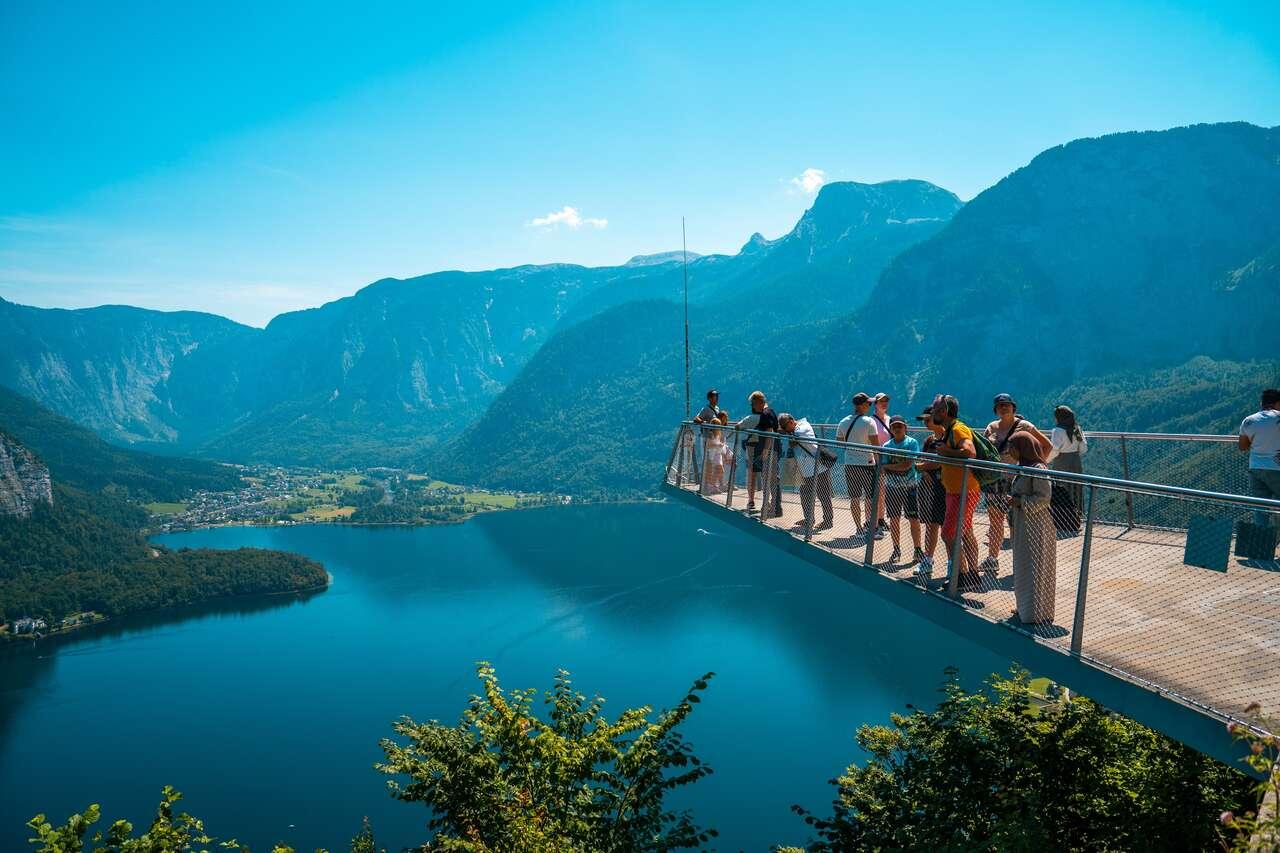
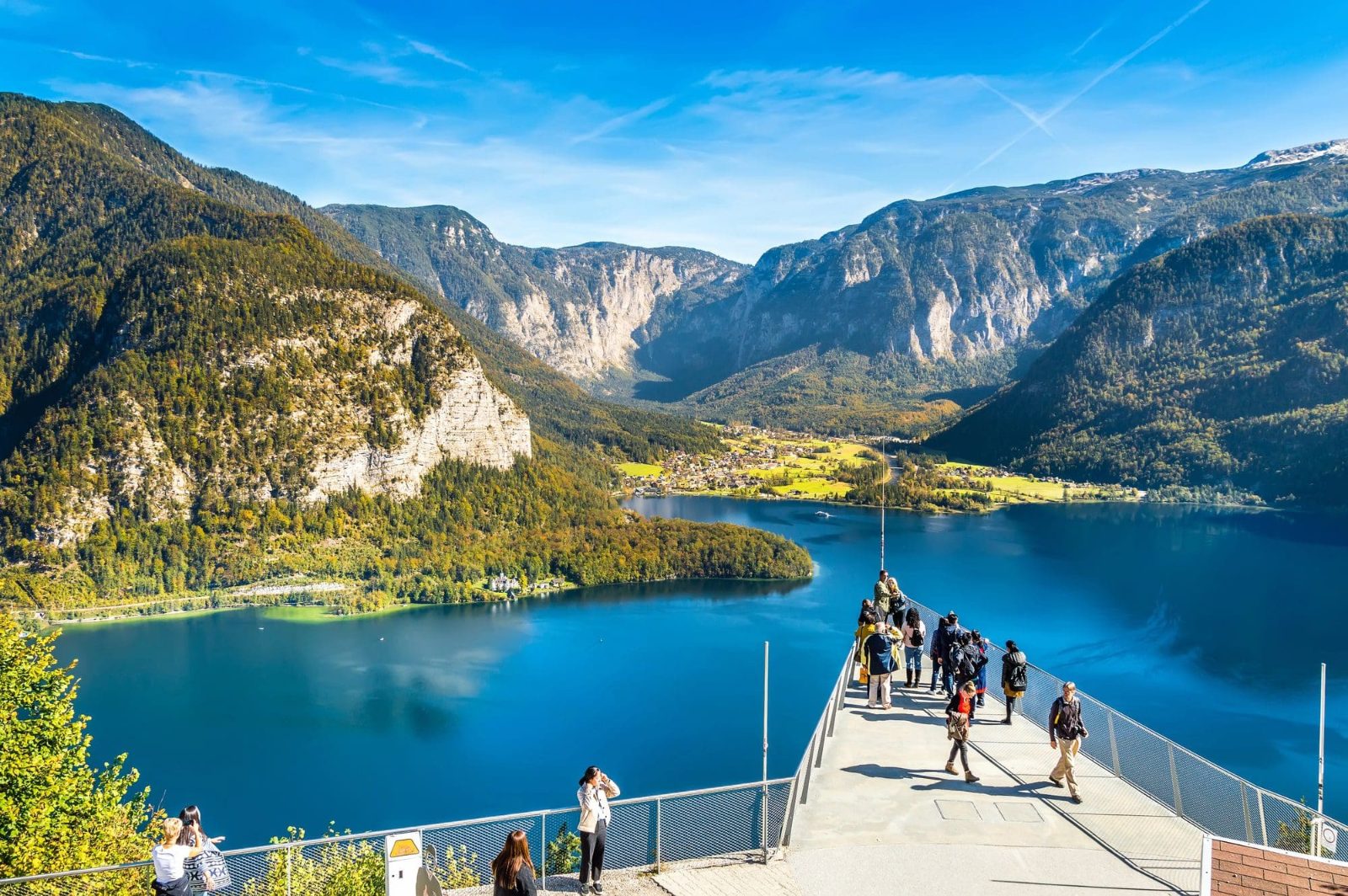
The Salzkammergut lake district stretches 75 kilometers east from Salzburg, a karst plateau dotted with 76 alpine lakes. Hallstatt sits at its geographic heart, accessed via the Salzkammergut Bundesstraße through Fuschl, St. Gilgen, and Bad Ischl. The road threads narrow passes between the Schafberg and Traunstein ranges, linking spa towns that once hosted Habsburg court summers. Most Salzburg-based excursions allocate two to three hours in Hallstatt itself, sufficient for the Marktplatz square, the ossuary visit, and a lakefront loop. The Skywalk viewing platform, installed 360 meters above the village in 2013, offers a panorama of the Dachstein glacier, though accessing it requires a funicular ride separate from standard tour itineraries. Free entry applies to the village's public lanes and waterfront promenade; the Salzwelten mine, ossuary, and funicular each charge independent admission, typically bundled into guided day-tour packages departing Salzburg.

The village's vertical geography forced every structure into careful negotiation with rock and water.
Wear comfortable walking shoes suitable for cobblestones and inclines. Layered clothing is advisable for any hallstatt day tour from salzburg due to variable alpine mountain weather.
Keep belongings secure while exploring public areas of the village. Most hallstatt day tour from salzburg experiences do not provide luggage storage, so travel light.
Photography is permitted in public village spaces. Be respectful of residents' privacy by not photographing private home windows or interiors during your hallstatt day tour from salzburg.
The village is stroller-accessible along the main lakefront path. Families should note that the historic center involves significant walking for young children on any hallstatt day tour from salzburg.
The village center is pedestrian-friendly but features steep inclines and narrow stairways. Accessibility for wheelchairs on a hallstatt day tour from salzburg is limited due to historic infrastructure.
Public consumption of food is permitted in designated outdoor areas. Avoid eating on narrow pedestrian walkways to ensure smooth traffic flow during your hallstatt day tour from salzburg.
Opening Hours
00:00–23:59
Address
Hallstatt, 4830, Austria
Accessibility
Village terrain is steep with stairs
Best arrival
08:00–10:00
Navigation
Follow signage for Hallstatt village center
Public transport
Regional trains and buses operate between Salzburg and Hallstatt. Always check the OBB timetable before your hallstatt day tour from salzburg.
Car
Paid parking is available at the village entrances. Parking fills rapidly so arrive by 08:00.
Tours booked as a hallstatt day tour from salzburg typically follow specific operator terms. Cancellation requests must be processed within the window stated in your booking confirmation to receive a refund.
Recommended time
4-6 hours
Planning your hallstatt day tour from salzburg requires strategic timing to navigate the village landscape effectively. By arriving within the recommended 08:00–10:00 window, you can explore the salt mine and lakeside architecture before the primary rush of bus tours arrives. Most travelers find that a half-day excursion is sufficient to experience the core UNESCO heritage village sights, though securing hallstatt day tour from salzburg tickets early ensures you avoid midday queues. Utilizing these hallstatt day tour from salzburg tours helps balance the quiet morning atmosphere with the busier afternoon hours.
Crowd levels through the day
Weather · crowds · average price — dots go green to amber to red as each metric rises.
Mild temperatures and fewer crowds compared to summer. Excellent for peaceful walks through the village.
Warm weather with longer daylight hours. Be prepared for peak tourist volume.
Cooler air with vibrant fall foliage. Perfect time for photography and clear lake views.
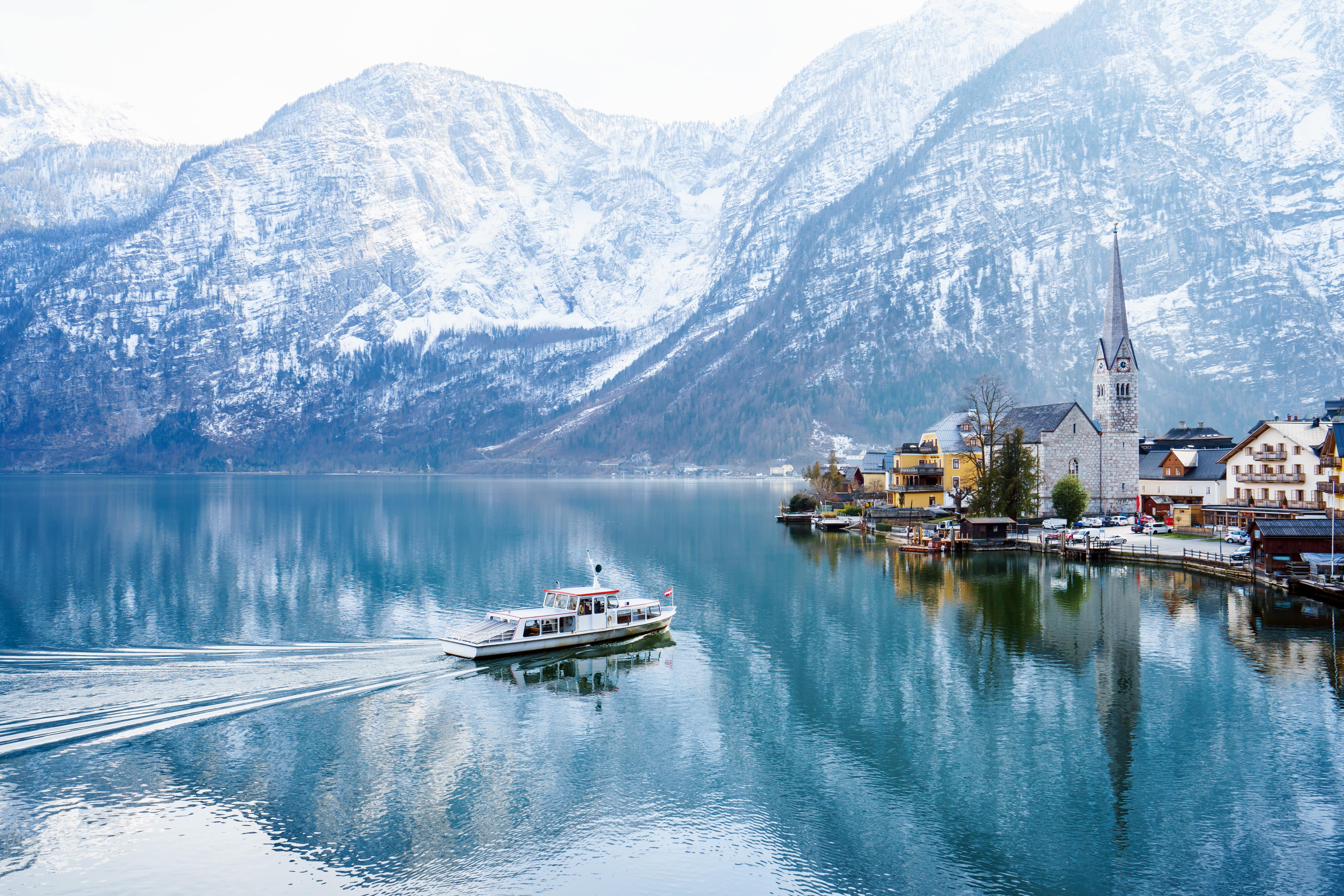
Snow-covered landscape offering a quiet atmosphere. Check local trail conditions before arrival.
Reach the village between 08:00–10:00 to avoid the primary wave of bus tours.
Keep noise levels low and avoid entering private residential driveways.
Carry some cash for small shops or cafes that may not accept cards.
Prioritize sturdy shoes to handle the cobblestone streets comfortably.
Use designated bins to keep the village clean for all visitors.
Salt built Hallstatt. By 800 BCE, miners were already tunneling into the Salzberg mountain, extracting the white mineral that would finance empires and bury the dead in preserving brine. The prehistoric cemetery discovered in 1846 by Johann Georg Ramsauer yielded over a thousand graves, their iron swords and amber beads so distinctive that archaeologists named an entire European epoch—the Hallstatt culture—after this alpine village. The salt mine itself predates written records; by the time Roman merchants arrived, the shafts were already ancient. Medieval guilds formalized the trade, and by the 16th century, Hallstatt salt was flowing down the Traun River to the Danube, taxed and traded as far as the Black Sea. The lakeside houses, stacked against the cliff, grew upward because horizontal space was a luxury reserved for salt storage. The Habsburg Empire regulated every ounce. In 1734, a fire destroyed much of the village; rebuilding was dictated by imperial decree, reinforcing the verticality that defines Hallstatt day tour from salzburg itineraries today. The baroque parish church, reconstructed after the blaze, houses a charnel house where skulls are painted with names and floral motifs—a practice born from the scarcity of burial plots in a place hemmed by rock and water. By the 19th century, the railway reached nearby Obertraun, and the first tourists arrived, sketching the spire's reflection in the Hallstattersee. Salt production declined after World War I, but the mine reopened as a heritage attraction in 1960, offering Hallstatt day tour from salzburg tours that descend into Bronze Age galleries. Today, UNESCO recognition has doubled visitor numbers since 2000, straining infrastructure that was never designed for crowds. The village council now limits tour buses, and a viewing platform above the village redirects foot traffic. The salt mine remains operational in small volumes, a working monument to the mineral that shaped three millennia of settlement. What visitors see—wooden balconies, Catholic baroque, Alpine verticality—is less a medieval relic than a 18th-century reconstruction, preserved by tourism revenue that replaced salt exports as the economic engine.
Bronze Age miners begin extracting salt from the Salzberg mountain.
Roman merchants establish trade routes for Hallstatt salt across the empire.
First written record of the salt mining guild, formalizing extraction rights.
Catastrophic fire destroys much of the village; rebuilding enforces vertical architecture.
Johann Georg Ramsauer excavates the prehistoric cemetery, revealing over a thousand Iron Age graves.
Hallstatt Salt Mine reopens as a heritage attraction, offering underground tours.
UNESCO designates the Hallstatt-Dachstein cultural landscape a World Heritage Site.
A Chinese developer builds a full-scale replica of Hallstatt in Guangdong province.
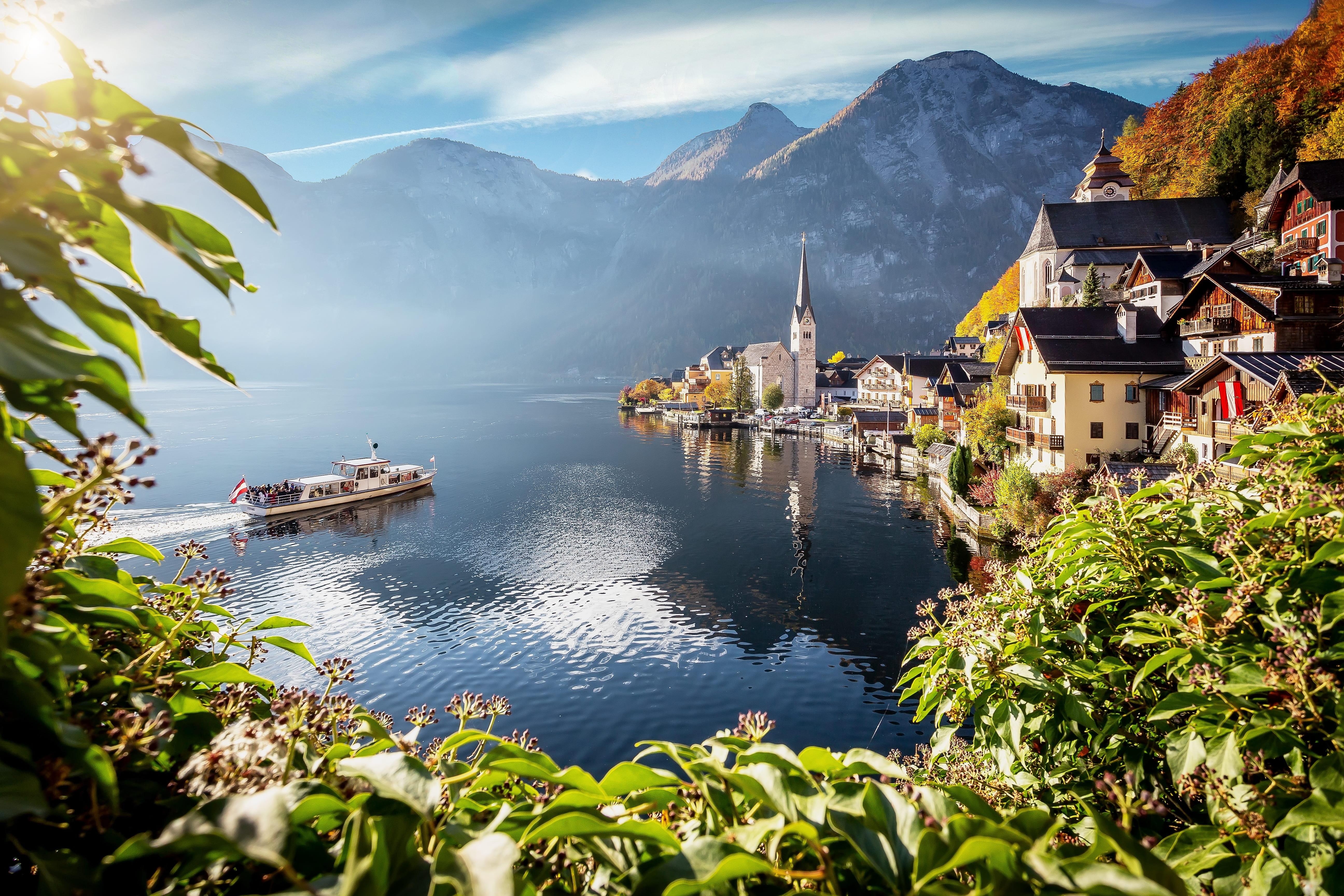
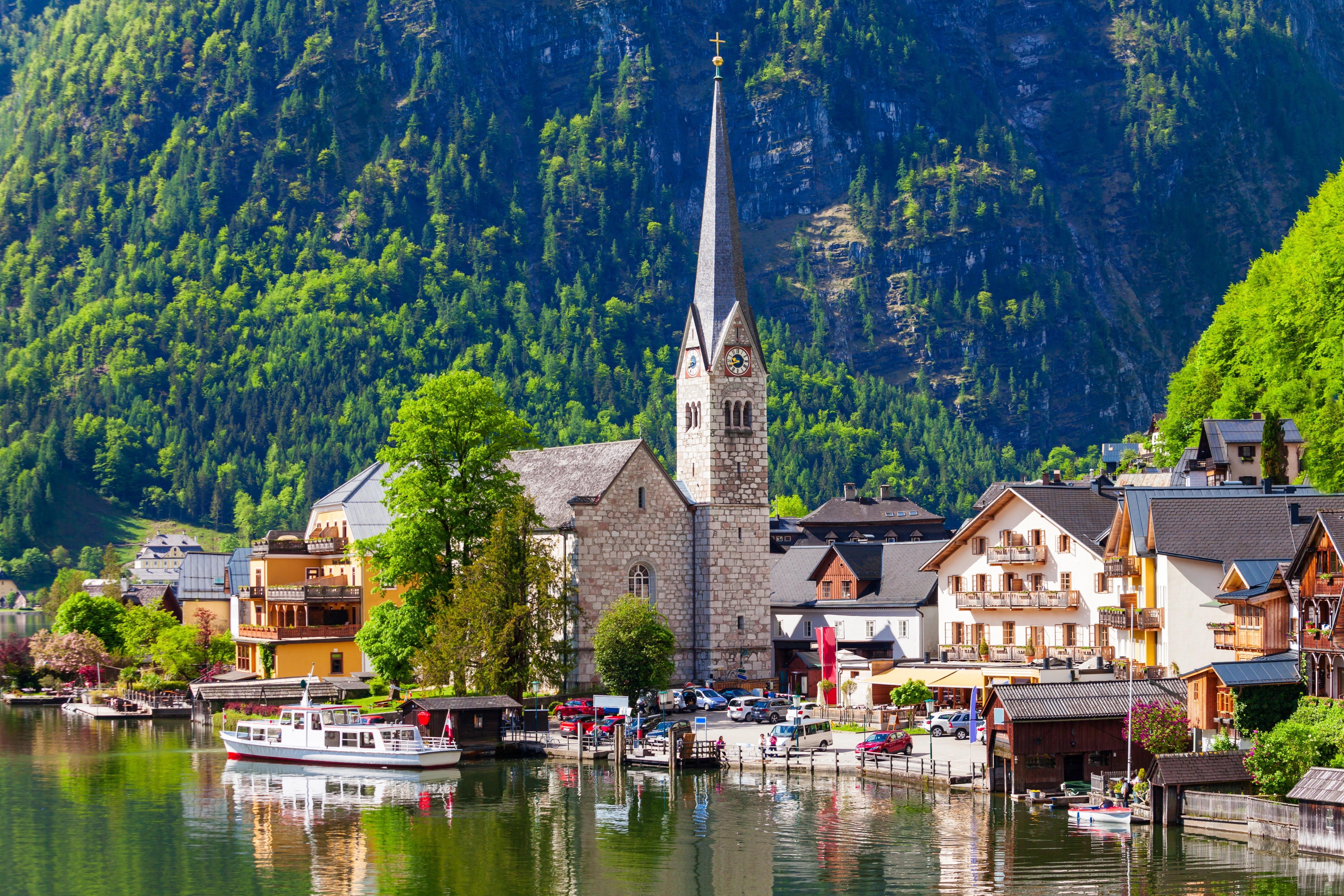
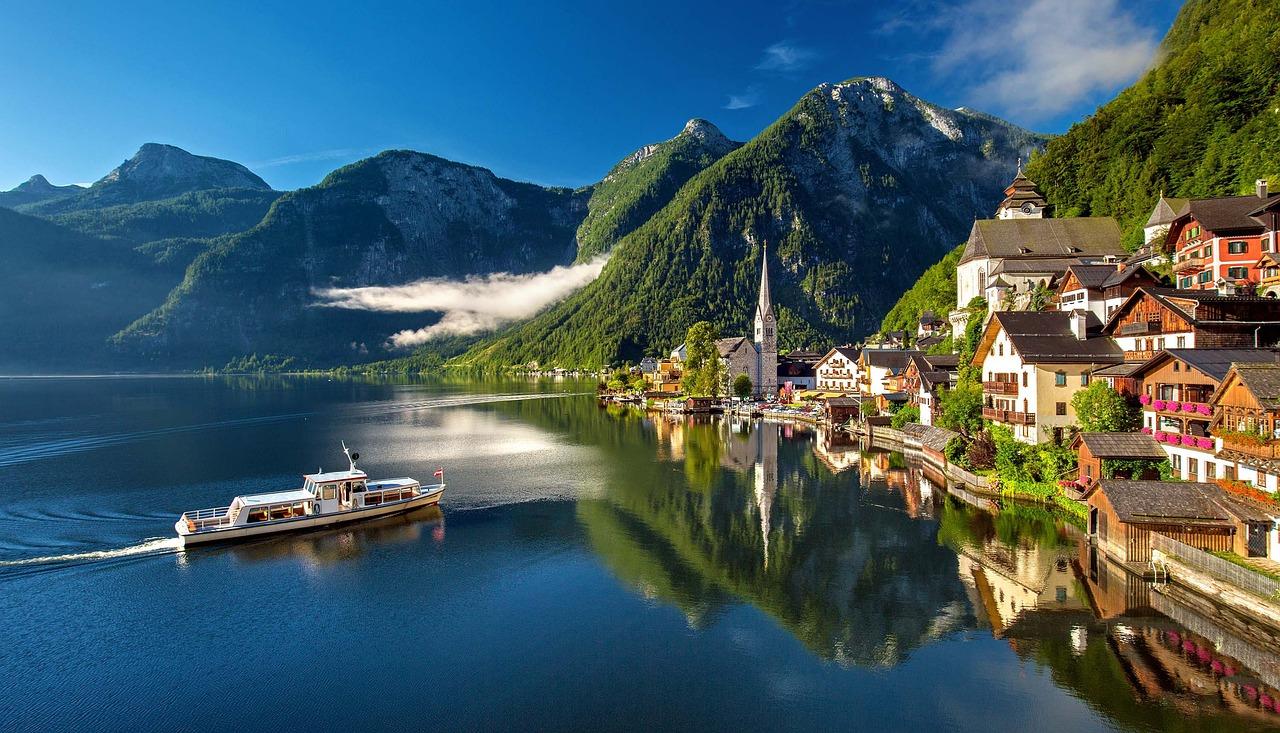
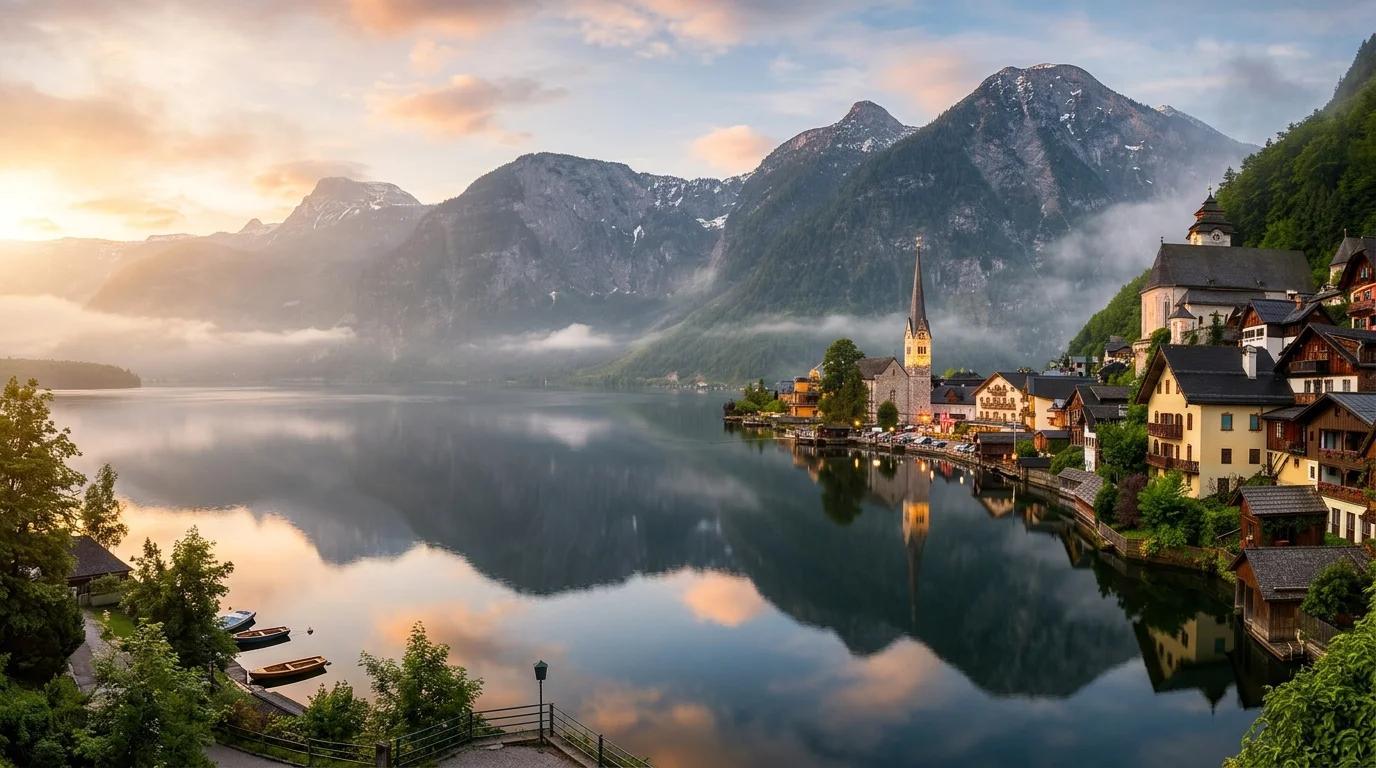
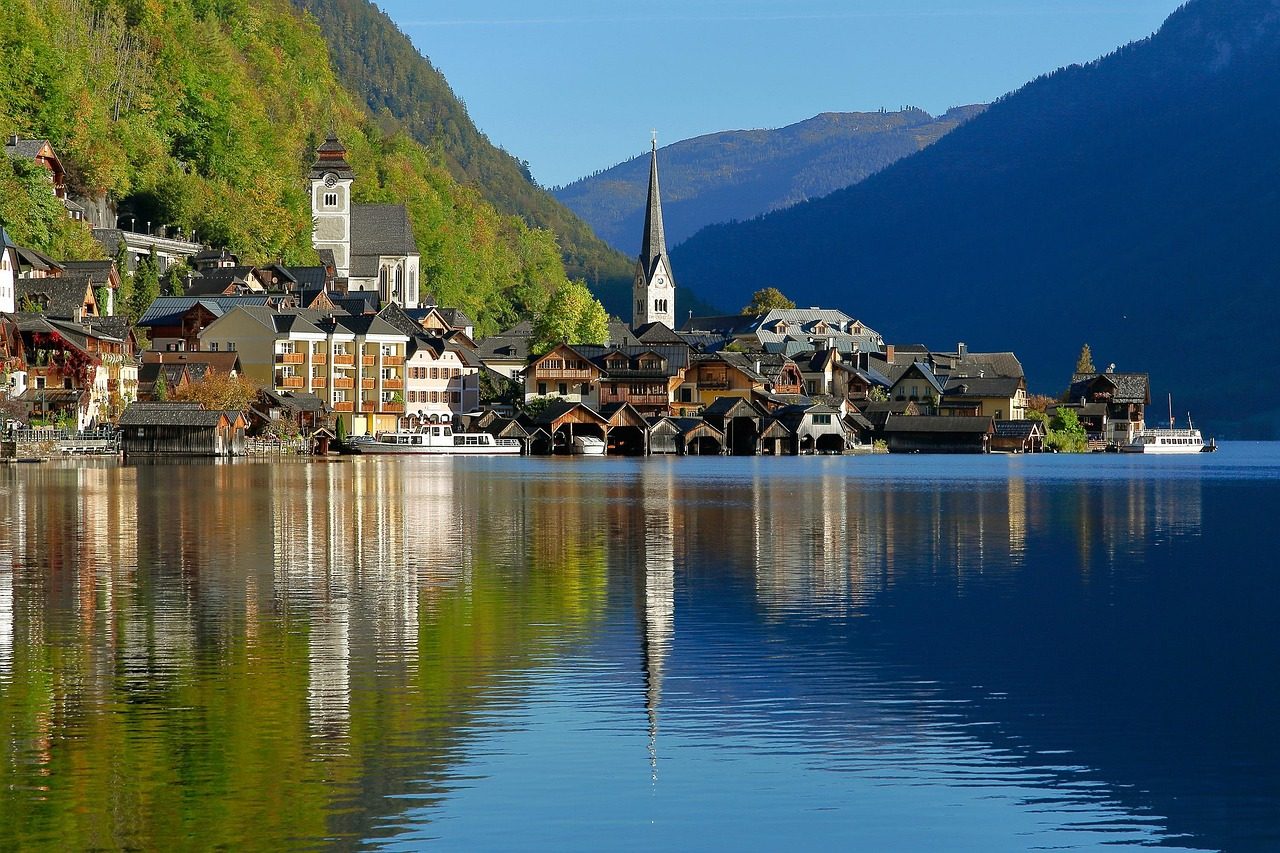
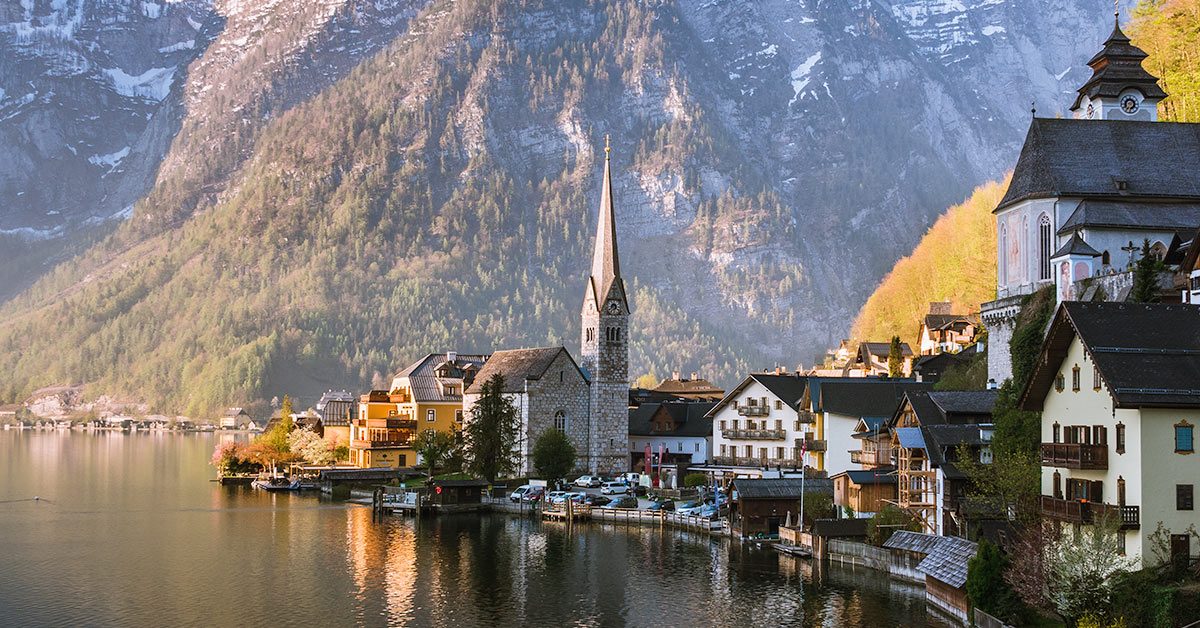
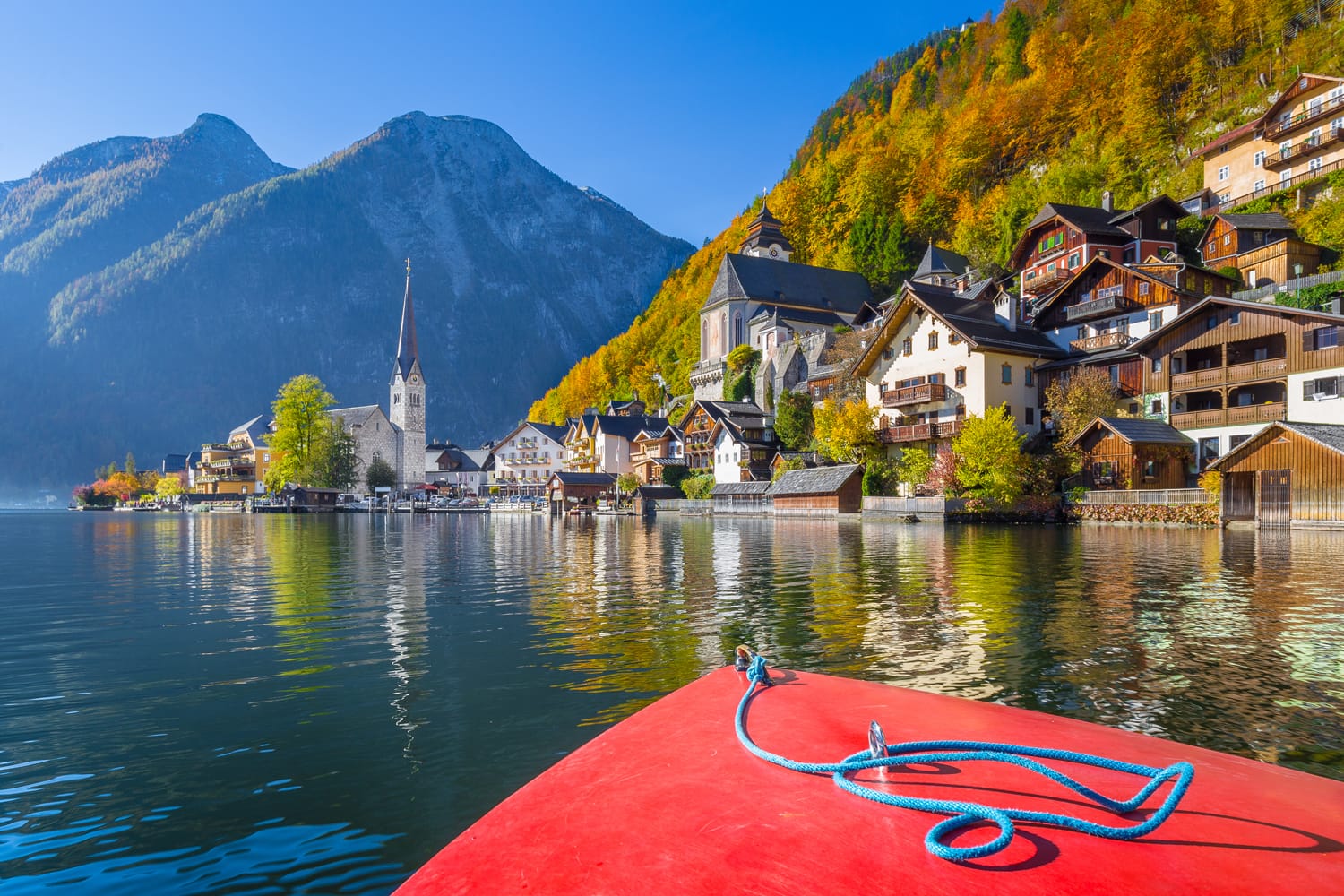
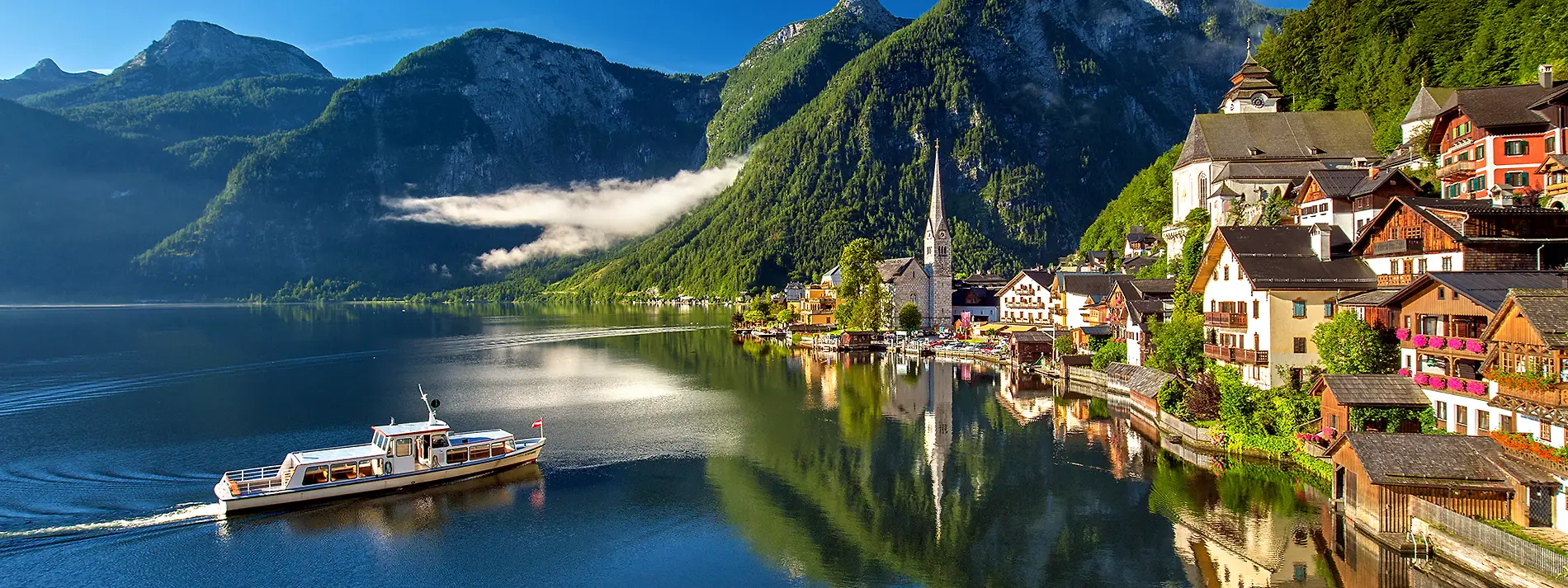
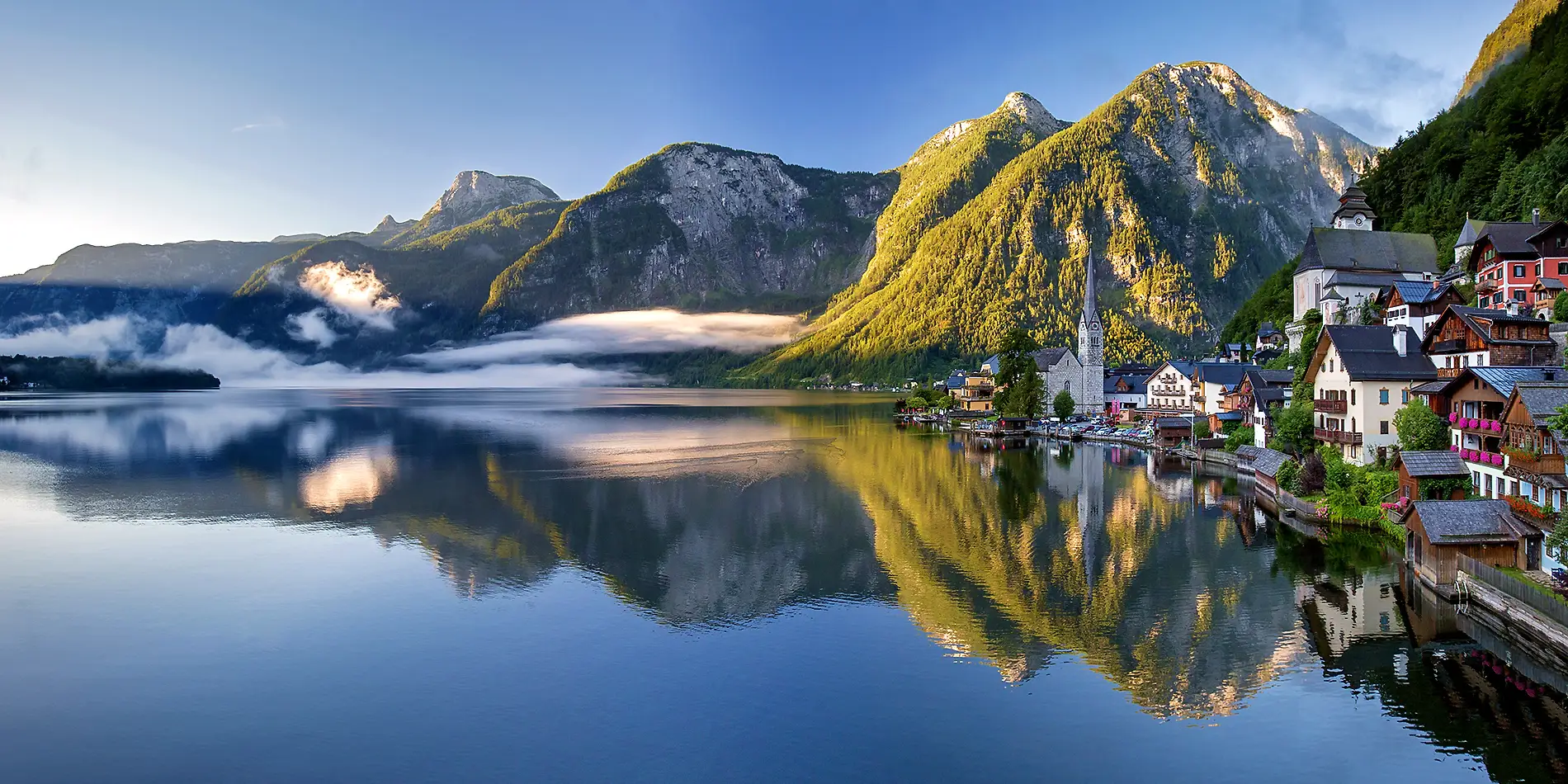
Stand at the northern end of the village on Gosaumühlstraße to capture the iconic church spire aligned with the lake and mountains. This is the definitive location for a hallstatt day tour from salzburg photograph.
Position yourself near the waterfront promenade to capture the reflections of the steeple against the surface of Hallstätter See. The symmetry works best when the morning water is calm.
Head to the central Marktplatz to photograph the colorful 16th-century alpine houses and the central fountain. This spot provides a rich architectural focus for those booking hallstatt day tour from salzburg tours.
Take the funicular up to the Salt Mine entrance area where the platform extends over the cliff for a panoramic village overview. It offers an elevated perspective for your hallstatt day tour from salzburg tickets journey.
A hallstatt day tour from salzburg is a wonderful way to introduce children to the alpine charm of this UNESCO heritage site. While the village is compact, arriving early ensures a relaxed experience before the peak crowds fill the narrow, historic lanes.
Stick to the main lakeside promenade for smooth paths; many historic side alleys contain steep steps and uneven cobbles that make a lightweight baby carrier a better choice for your hallstatt day tour from salzburg tour.
Children aged 4 and older will particularly enjoy the Salt Mine experience, which includes fun slides that are a highlight of many hallstatt day tour from salzburg tours.
Public toilets are available in the village center, and you can find baby-changing facilities in family-friendly establishments near the Marktplatz area.
To maintain a comfortable rhythm, aim for the best arrival window of 08:00–10:00 to enjoy the lakeside scenery with your family before the midday influx of visitors arrives.
The village features several casual bakeries and cafés perfect for a quick snack, while the lakeside bathing island offers a great space for a family picnic.
Even on cloudy days, the local museum and covered salt mine attractions provide dry, educational environments that are easily accessible with your hallstatt day tour from salzburg tickets.
Finding a quality meal near a hallstatt day tour from salzburg is straightforward, as the village center offers several lakeside spots serving traditional Austrian cuisine. We recommend planning your dining around the recommended 08:00–10:00 arrival window to secure a table before the midday rush.
Located near the historic market square, this spot specializes in fresh lake fish and local venison. It is ideal for a seated lunch after exploring village landmarks.;Im Kainz
Everything you need to know for your journey
Entry to the village itself is 0 EUR. Specific attractions like the salt mine may require their own entry fees.
For a better experience, aim to arrive between 08:00–10:00 to avoid peak crowds from bus tours.
The village is accessible 00:00–23:59 daily.
You can purchase various hallstatt day tour from salzburg tickets through official online platforms to secure your spot.
While the lakefront is accessible, the steep streets make standard strollers challenging for a hallstatt day tour from salzburg.
Bring comfortable shoes, water, and weather-appropriate clothing for your hallstatt day tour from salzburg.
Public facilities are limited, so it is best to travel light during your hallstatt day tour from salzburg.
Yes, photography is permitted in public areas, but please respect the privacy of local residents.
Focus your hallstatt day tour from salzburg on the market square and lake views for an efficient visit.
A landmark spire visible from across the village. It features historic architecture overlooking the lake.
The heart of the village featuring local shops and cafes. It is a central meeting spot for visitors.
The alpine lake surrounding the village. It provides scenic views and boat tour opportunities.
Historic hotel located on the market square
Renovated historic buildings offering lakeside views
Traditional local lodging options throughout the village
Join thousands of happy travelers who have discovered this incredible experience
Book Your Experience Now