5 hr 30 min
Hallstatt Half-Day Scenic Tour from Salzburg
- Entry ticket
- Mobile voucher
- Valid same day
- Free cancellation
Hallstatt Excursion from Salzburg — Alpine Village Day Trips
Leave the Festspielstadt behind, watch the Salzkammergut unfold from your window
Compare fares, pick the fit — all bookings are mobile-voucher and eligible for free cancellation where shown.
5 hr 30 min
10 hr
10 hr
Selecting the right ticket for your hallstatt excursion from salzburg depends on whether you plan to explore the town independently or include a visit to the historic salt mine. Choosing the correct mountain access method ensures your day trip to these iconic Austrian landmarks remains efficient and enjoyable.
| Funicular Only Skywalk access |
Top pick Salt Mine Combo Full mine tour + Funicular |
|
|---|---|---|
| Funicular included | ||
| Salt mine entry | — | |
| Best for | Panoramic views | Full exploration |
| Access method | Salzbergbahn Funicular | Salzbergbahn Funicular |
| See tickets & prices |
Verdict: If you only seek high-altitude views of the lake, pick the Funicular Only option for your hallstatt excursion from salzburg tour, while history enthusiasts should opt for the Salt Mine Combo to experience the ancient subterranean heritage.
Worth it for scenery lovers, less for rushed schedules
A hallstatt excursion from salzburg delivers one of Austria's most photogenic alpine villages, but the value depends heavily on format. Half-day scenic tours (typically 4–5 hours) provide 90 minutes in the village—enough to walk the lakefront promenade, photograph the iconic postcard viewpoint, and browse the market square, but insufficient for the salt mine or Skywalk. Combined itineraries pair Hallstatt with Sound of Music filming locations or neighboring lake towns like St. Gilgen and St. Wolfgang, stretching the day to 8–9 hours and justifying the transport time. The village itself is free to explore; tour costs cover round-trip coach travel (roughly 75 km each way) and guide commentary. Early-morning departures (07:00–09:30) beat the midday tour-bus crush that turns the narrow lanes into gridlock. Private options allow flexible timing but quadruple the per-person cost unless you're traveling as a group of four or more.
Bottom line: Book a combined hallstatt excursion from salzburg tour if you want to justify the travel time, or skip it if you prefer deeper single-destination experiences.
They complement each other; most visitors who do both call the Werfen Ice Caves the more thrilling active excursion, while the hallstatt excursion from salzburg is the superior choice for classic alpine scenery.
|
Top pick Hallstatt Village |
Werfen Ice Caves | |
|---|---|---|
| Primary draw | UNESCO village & salt history | World's largest ice cave |
| Travel time | 1.5 hours (one way) | 45 minutes (one way) |
| Intensity | Moderate walking | High physical effort & steps |
| Accessibility | Year-round | May–October only |
| Best for | Photography & history | Nature & adventure seekers |
| Typical duration | Full day | Half to full day |
| Key booking need | Advance parking/train | Timed cave entry |
| See tickets & prices |
Verdict: Choose the hallstatt excursion from salzburg tour if you want a quintessential lakefront postcard, or opt for the Werfen ice caves if you prefer a rugged outdoor challenge and geological wonders.
Hand-picked experiences loved by thousands of travelers
7 hours 30 minutes
Free Cancellation
Discover three alpine gems on a full-day private tour through Austria's stunning Salzkammergut region
7 hours
Free Cancellation
Journey through Austria's Salzkammergut region with stops at Red Bull HQ, UNESCO-listed Hallstatt, and Mozart's lakeside village.
6 hours
Free Cancellation
Discover Austria's Lake District on a personalized 6-hour journey to the UNESCO-listed village of Hallstatt
8 hours
Free Cancellation
Discover Austria's alpine gem on an exclusive 8-hour journey through lakeside villages and mountain scenery
8 hours
Free Cancellation
Discover three iconic Austrian villages on a private excursion through the Salzkammergut lakeland
10 hours
Free Cancellation
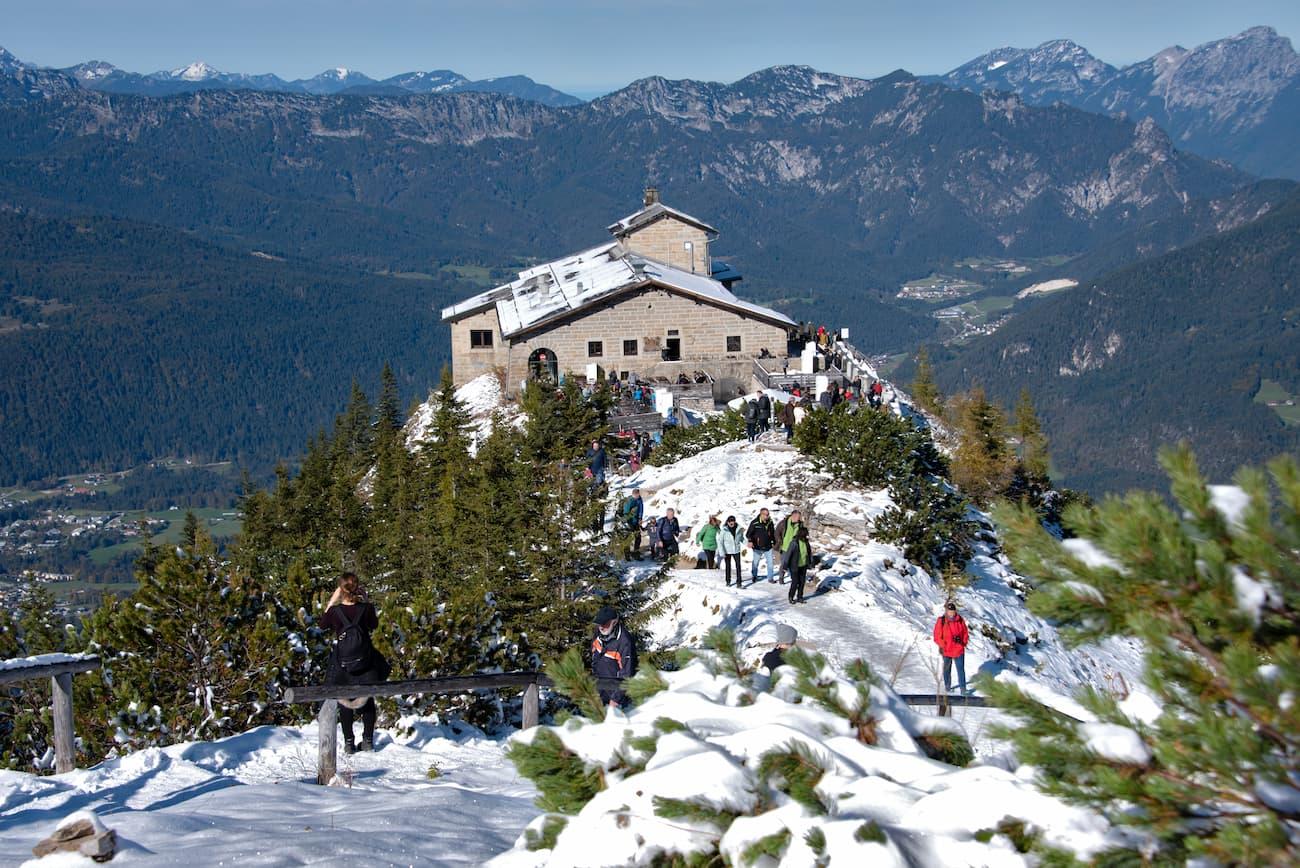
Journey from Salzburg to UNESCO Hallstatt and Hitler's mountain retreat with private transport and independent exploration
9 hours
Free Cancellation
Discover alpine lakes and UNESCO-heritage Hallstatt on this exclusive full-day excursion with personal driver
8 hours
Free Cancellation
Private 8-hour excursion featuring funicular rides, panoramic Alpine views, underground mine exploration, and village time
Arrive early to park or catch the bus.
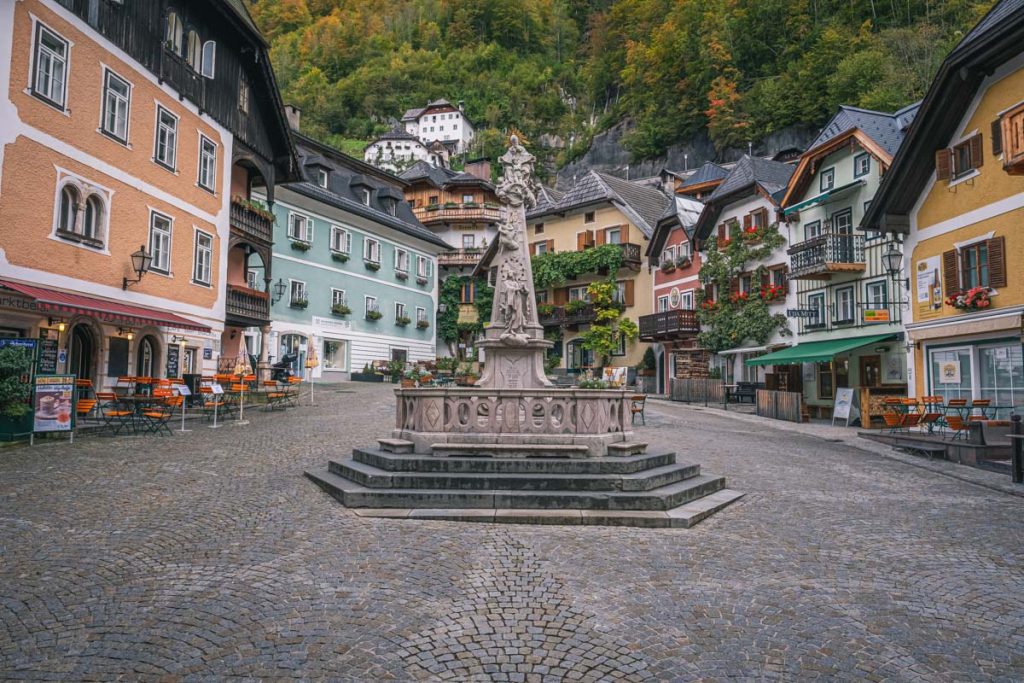
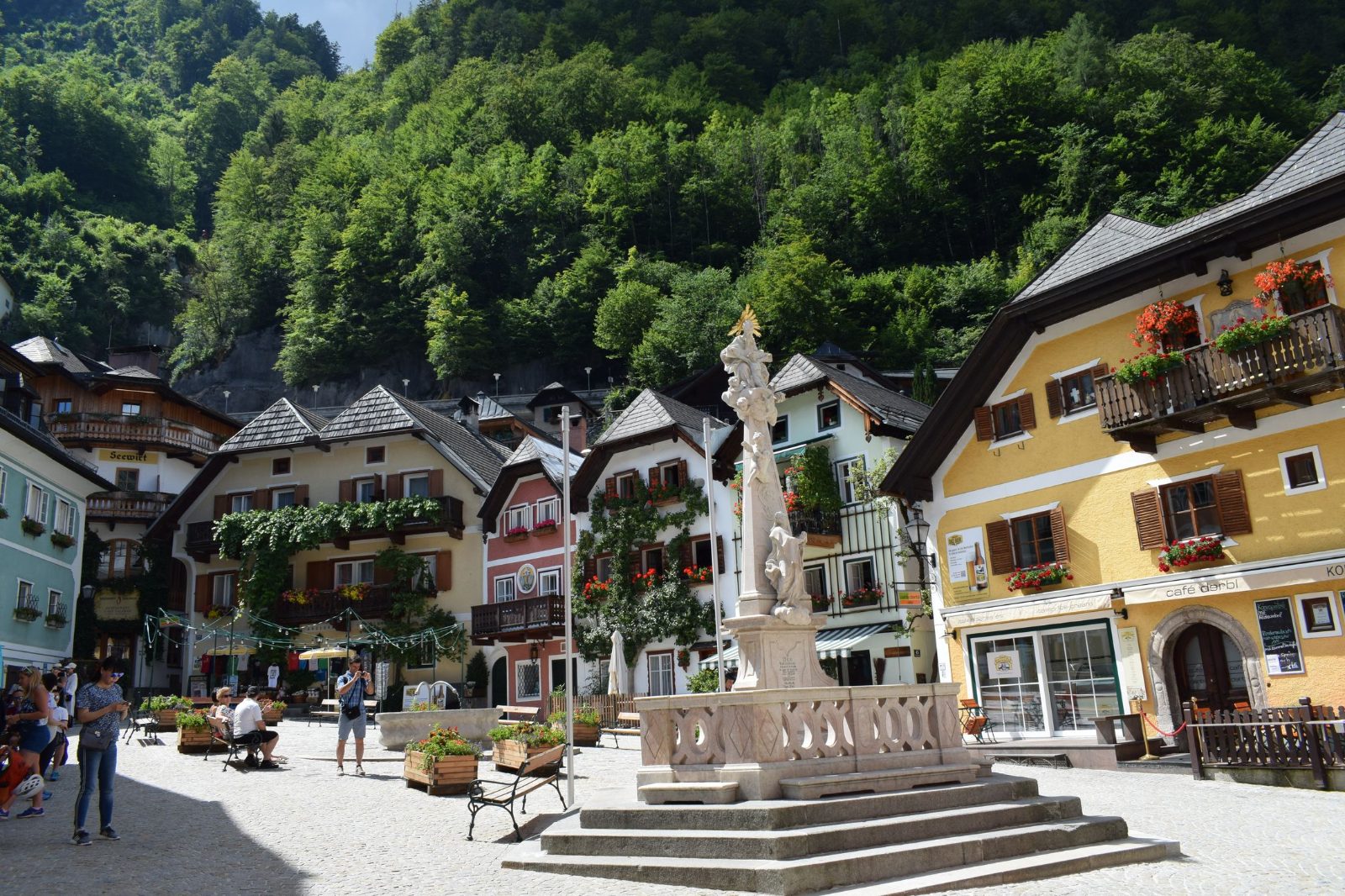
Explore historic architecture and the Holy Trinity statue.
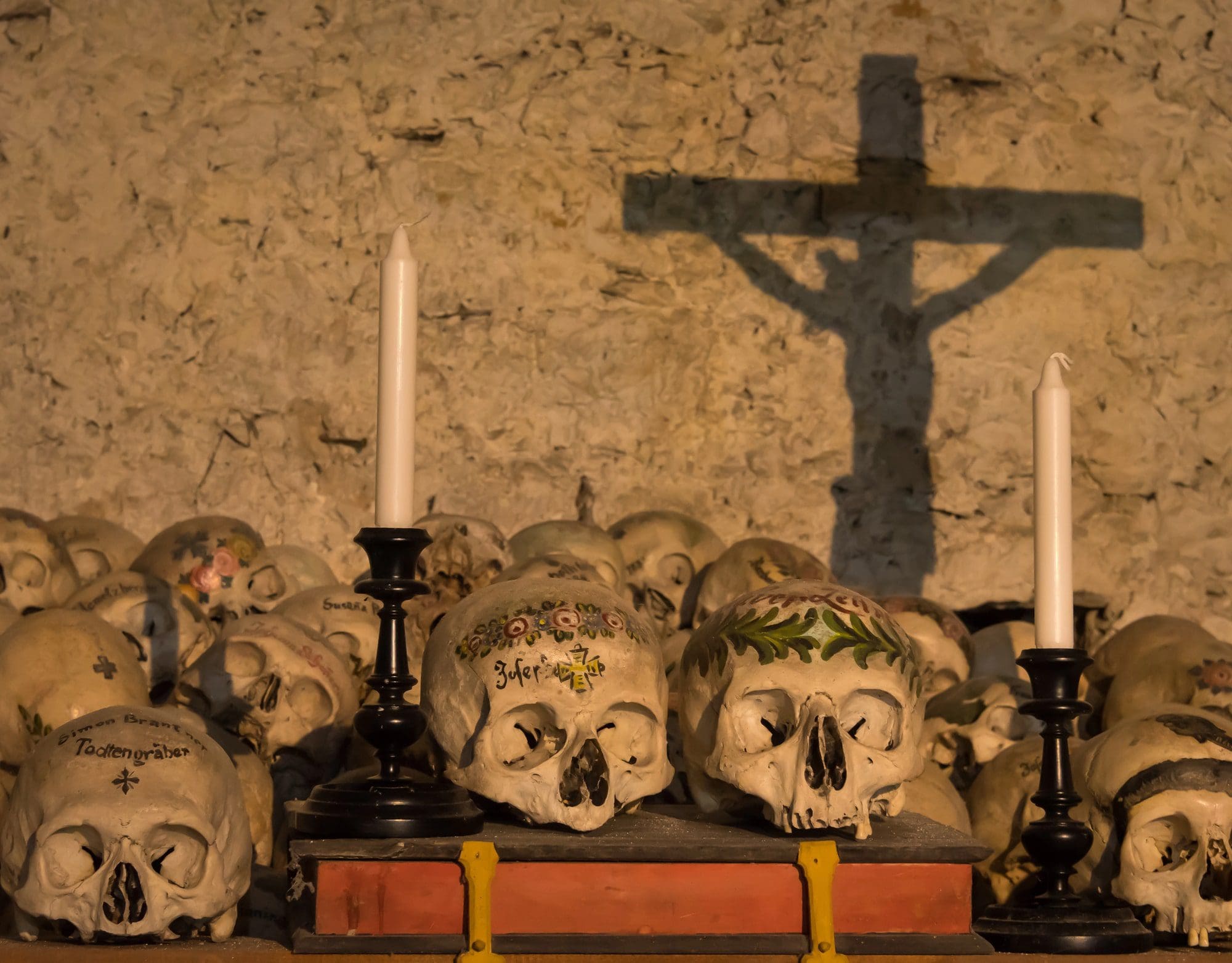
Visit the iconic skull collection at Michael's Chapel.
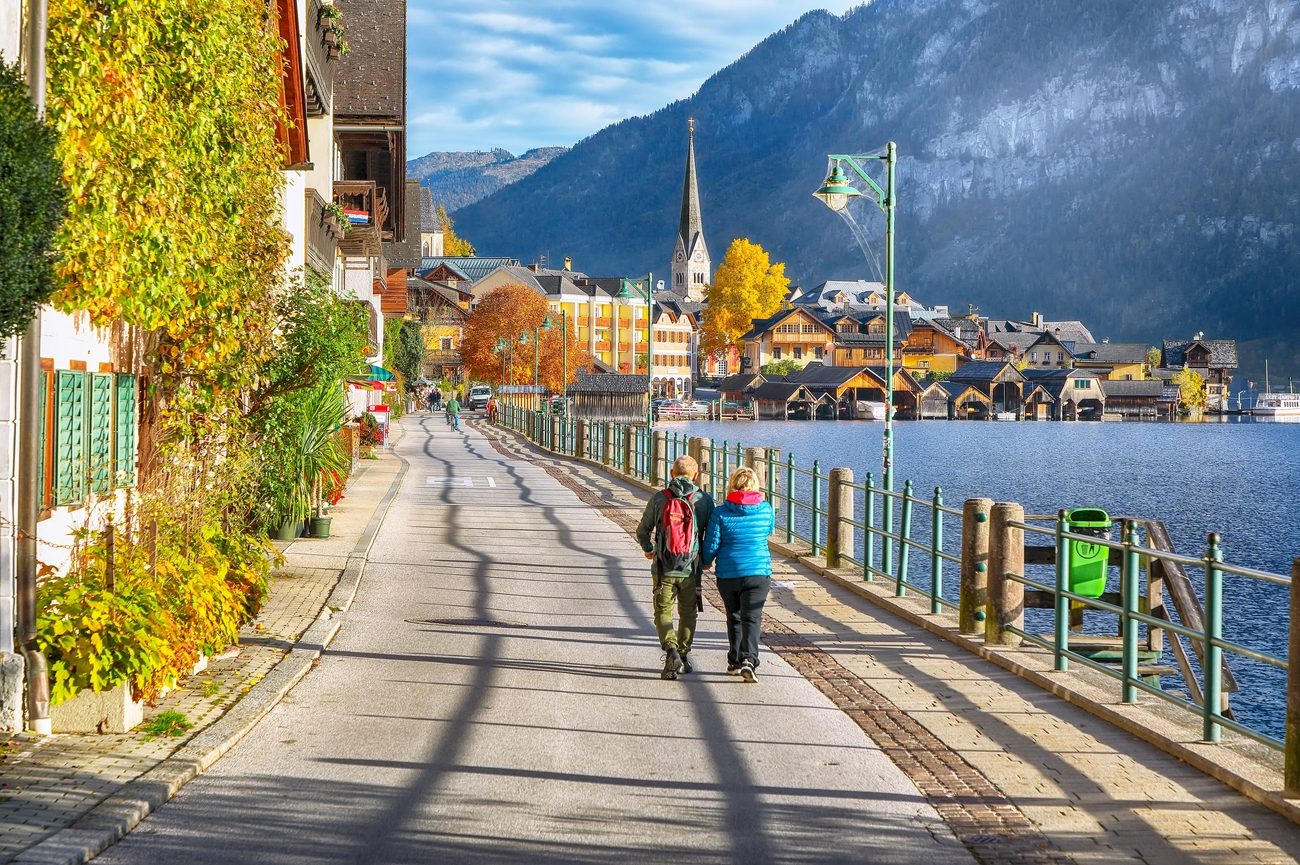
Walk the path for classic village views.
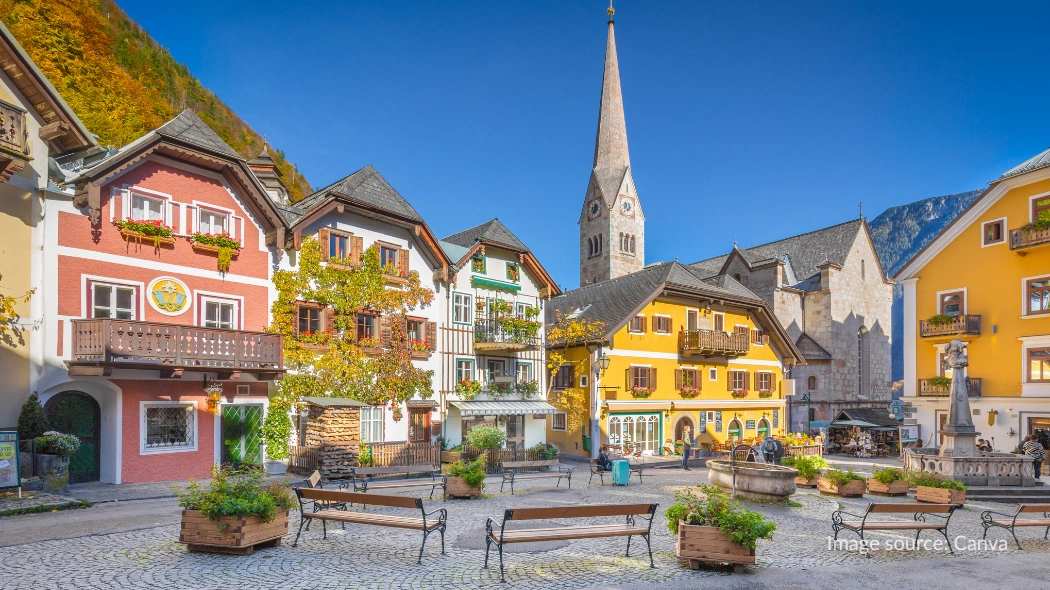
The heart of the village, surrounded by historic buildings and the Holy Trinity statue. It is a central hub for any hallstatt excursion from salzburg.
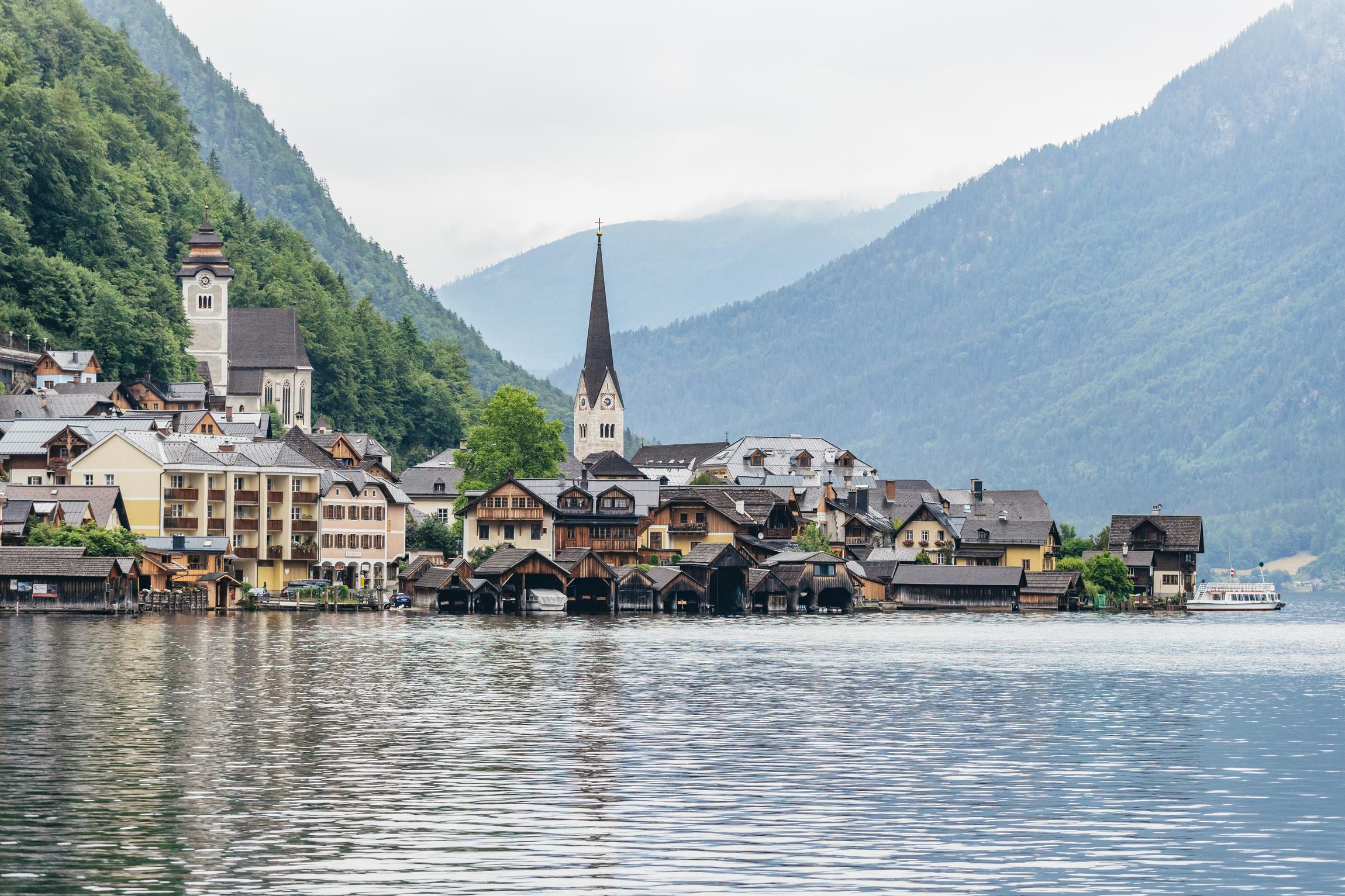
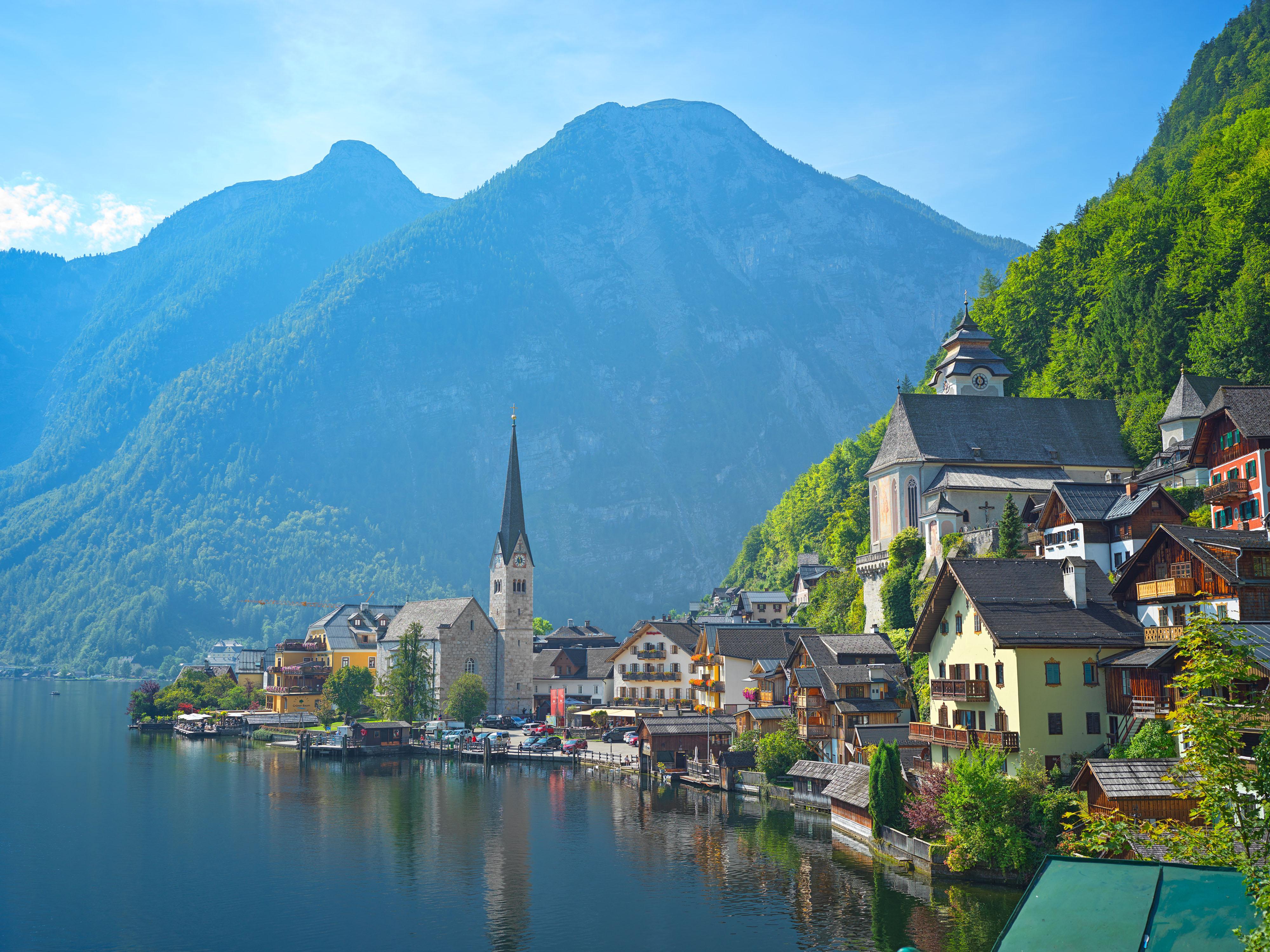
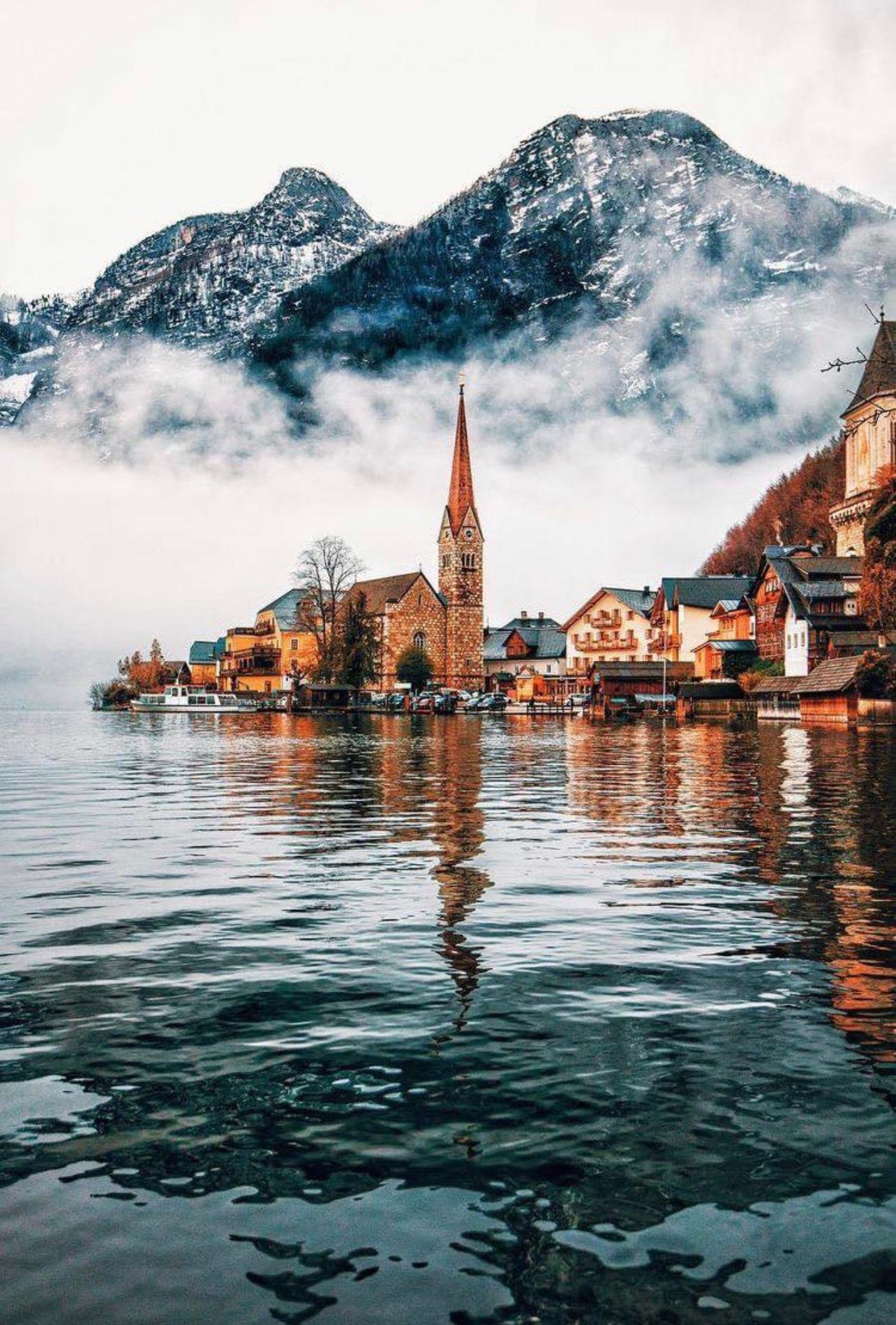
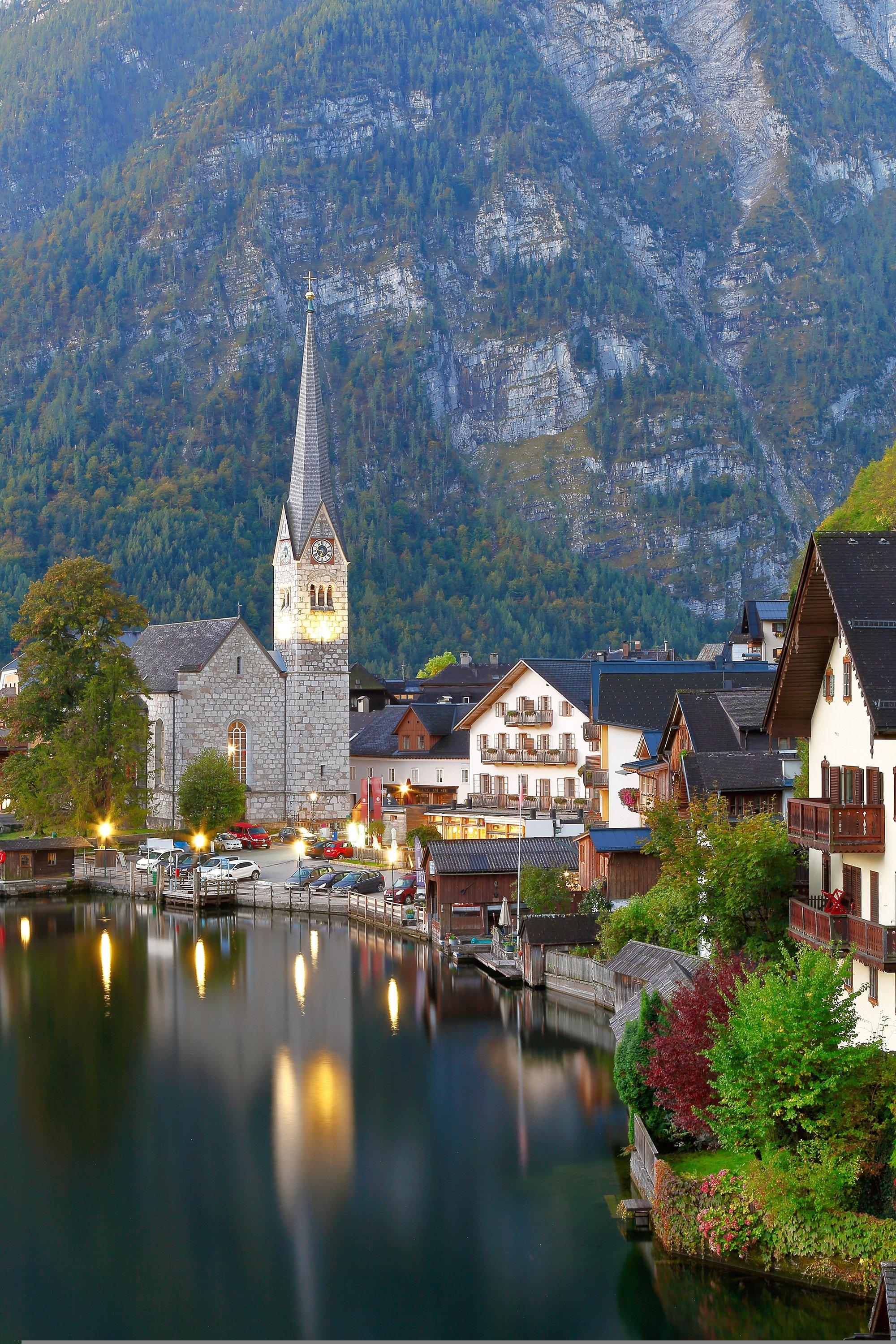
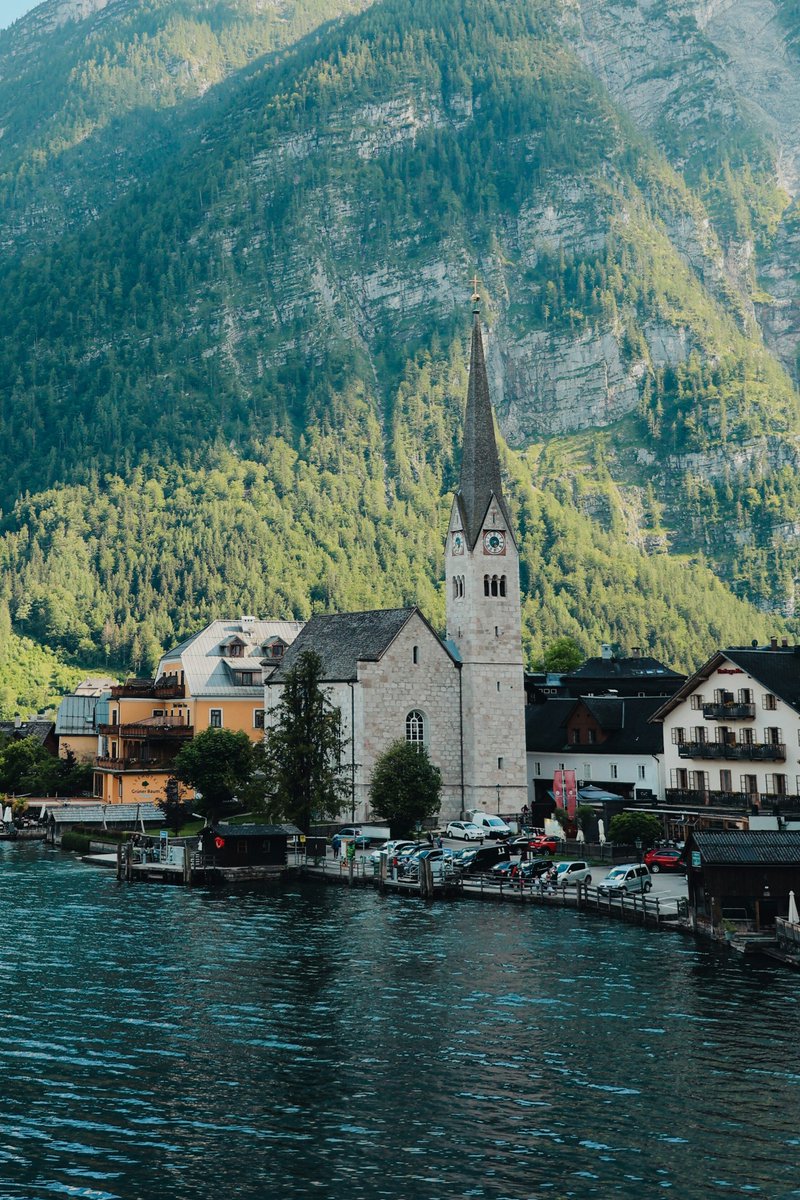
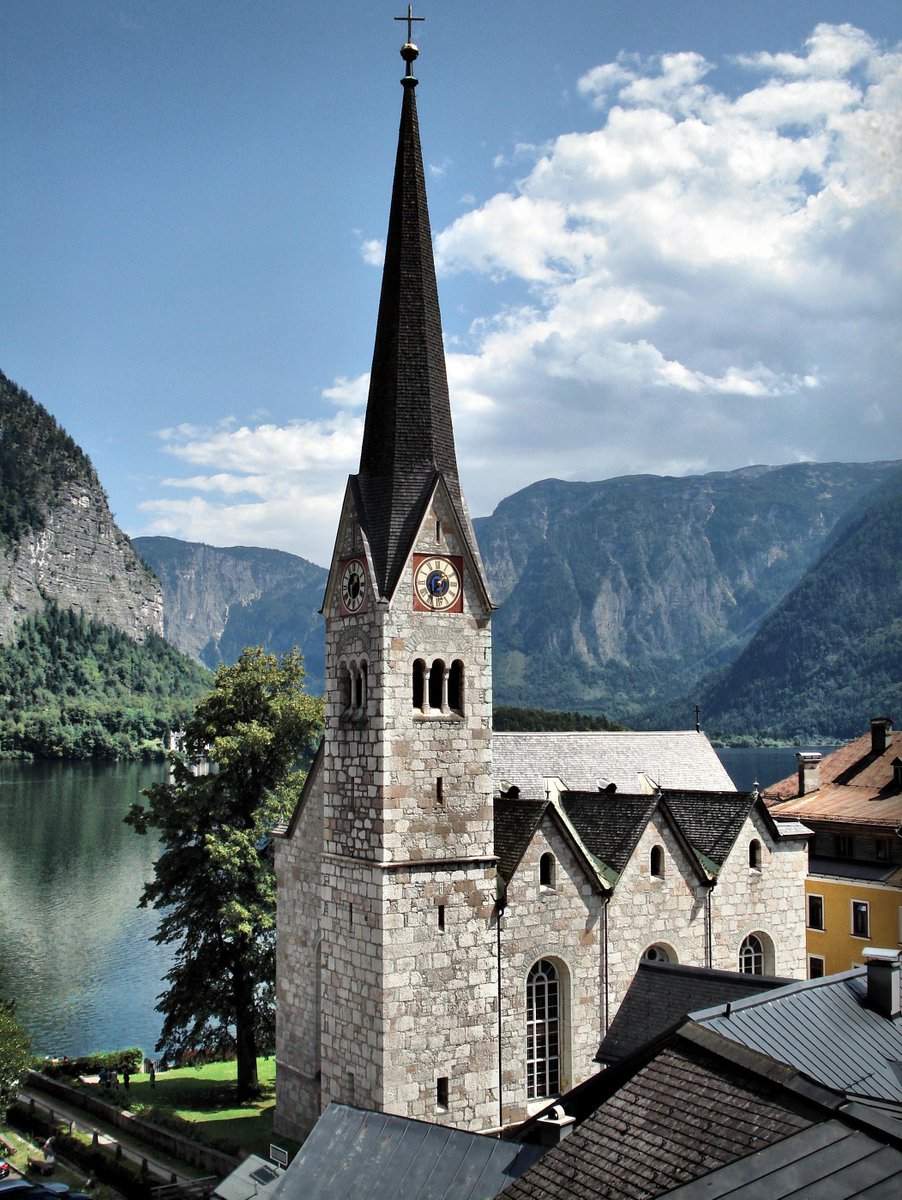
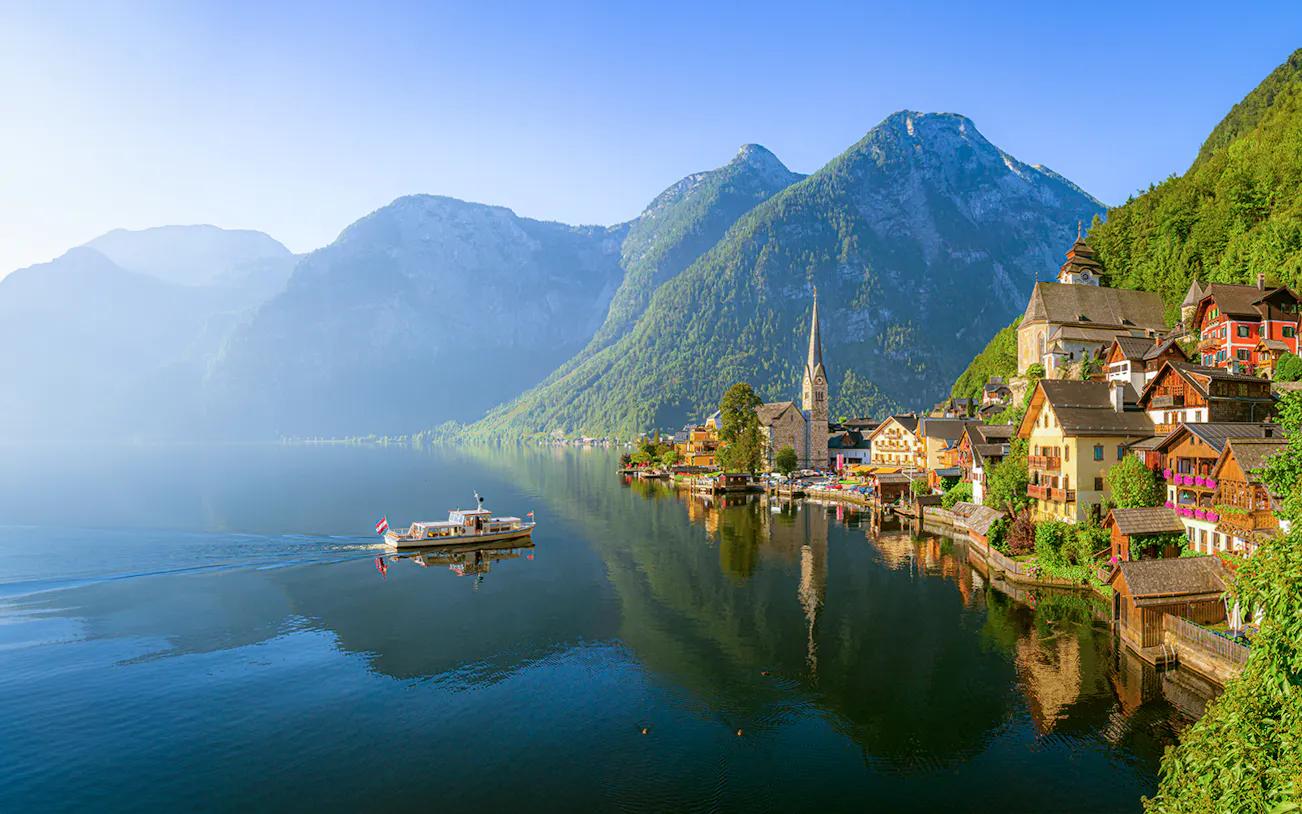
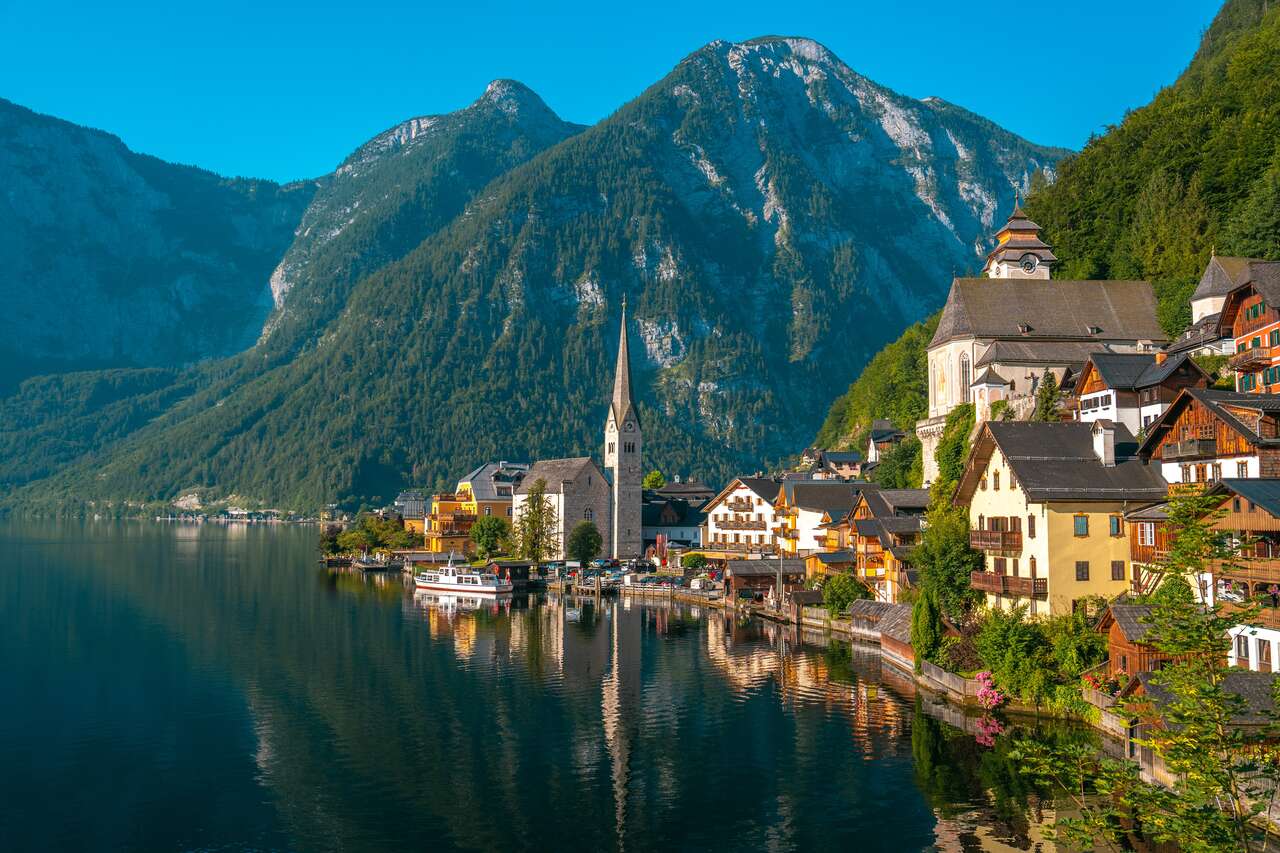
With its sharp spire, this is the most photographed landmark during a hallstatt excursion from salzburg. It represents the town's religious history.
Located in Michael's Chapel, it contains over 1,200 skulls, a unique tradition from a time when the cemetery was too small.
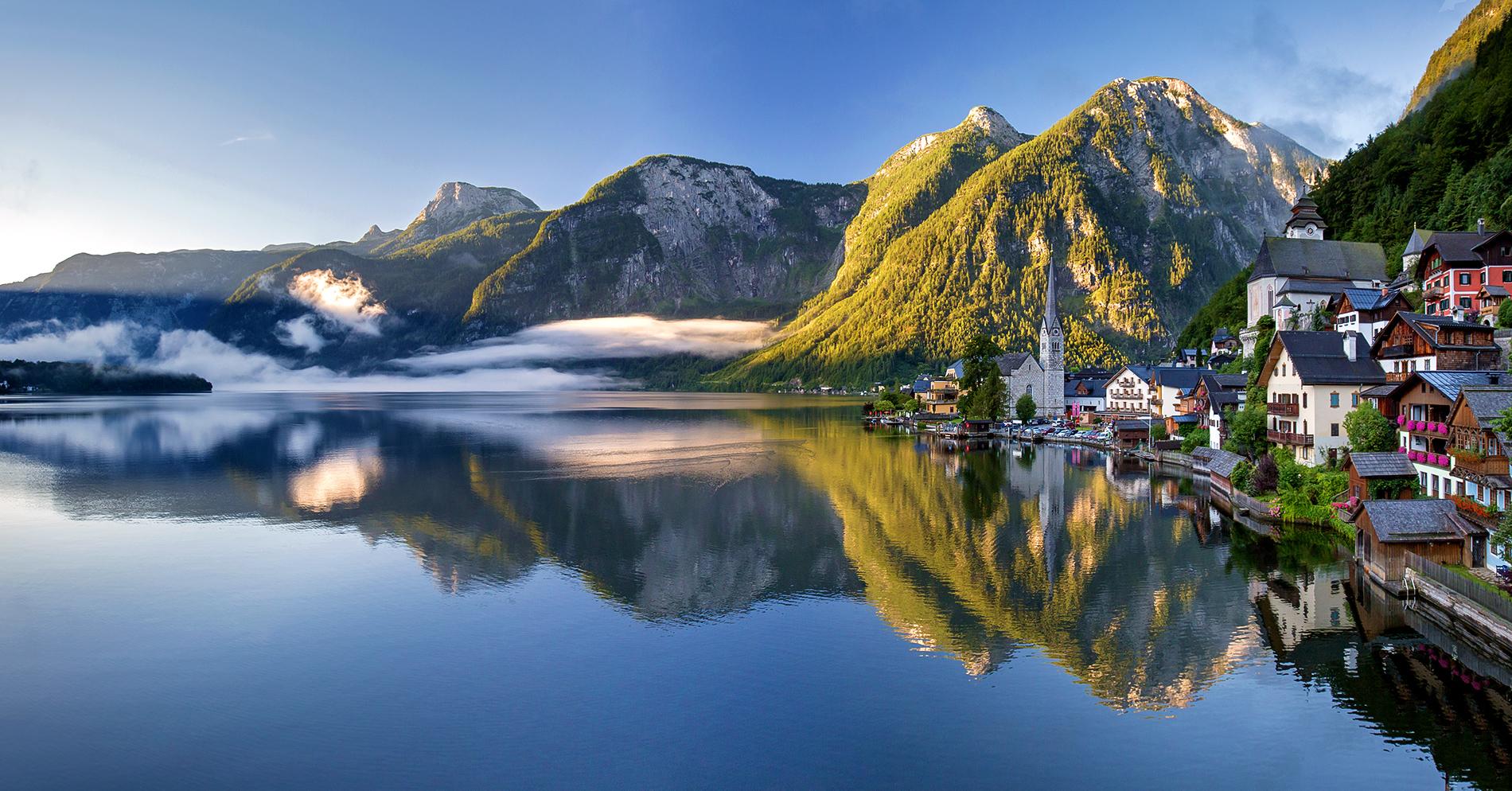
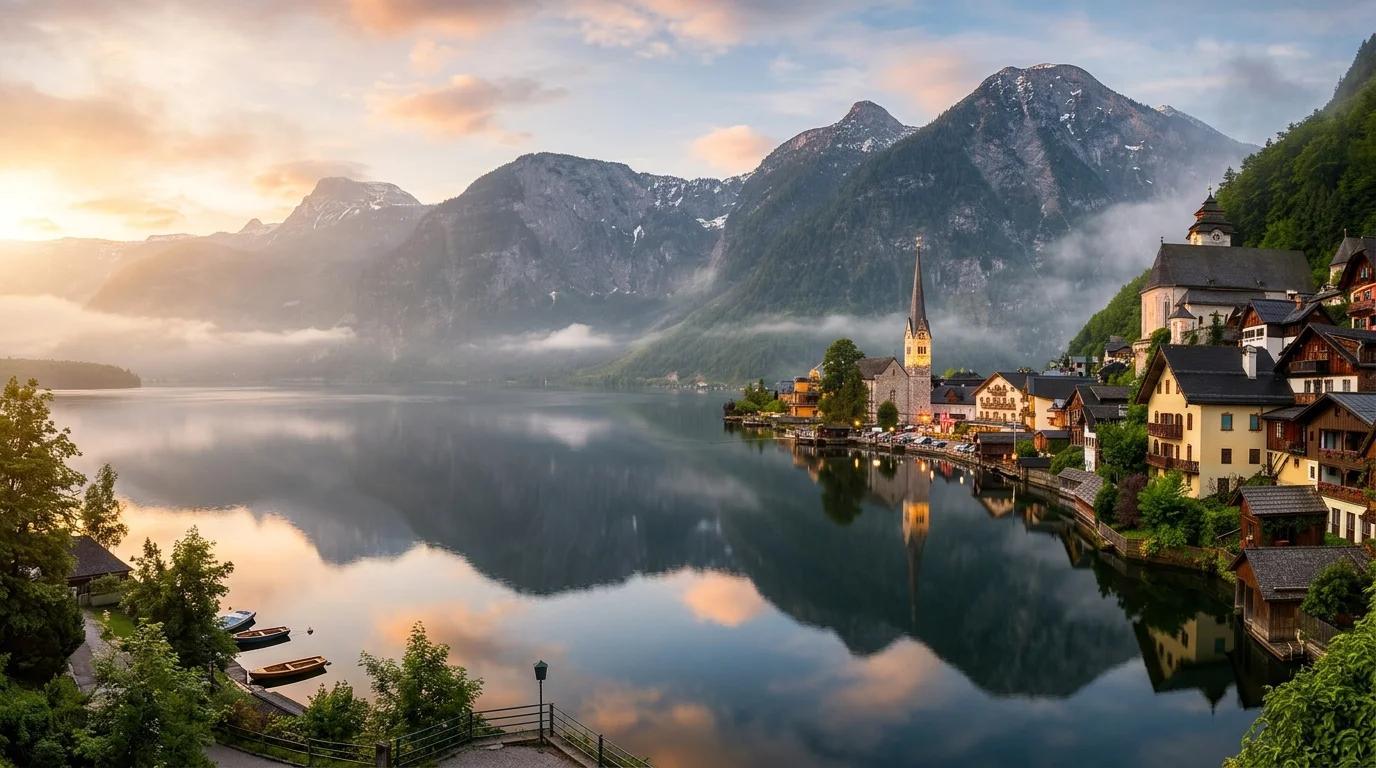
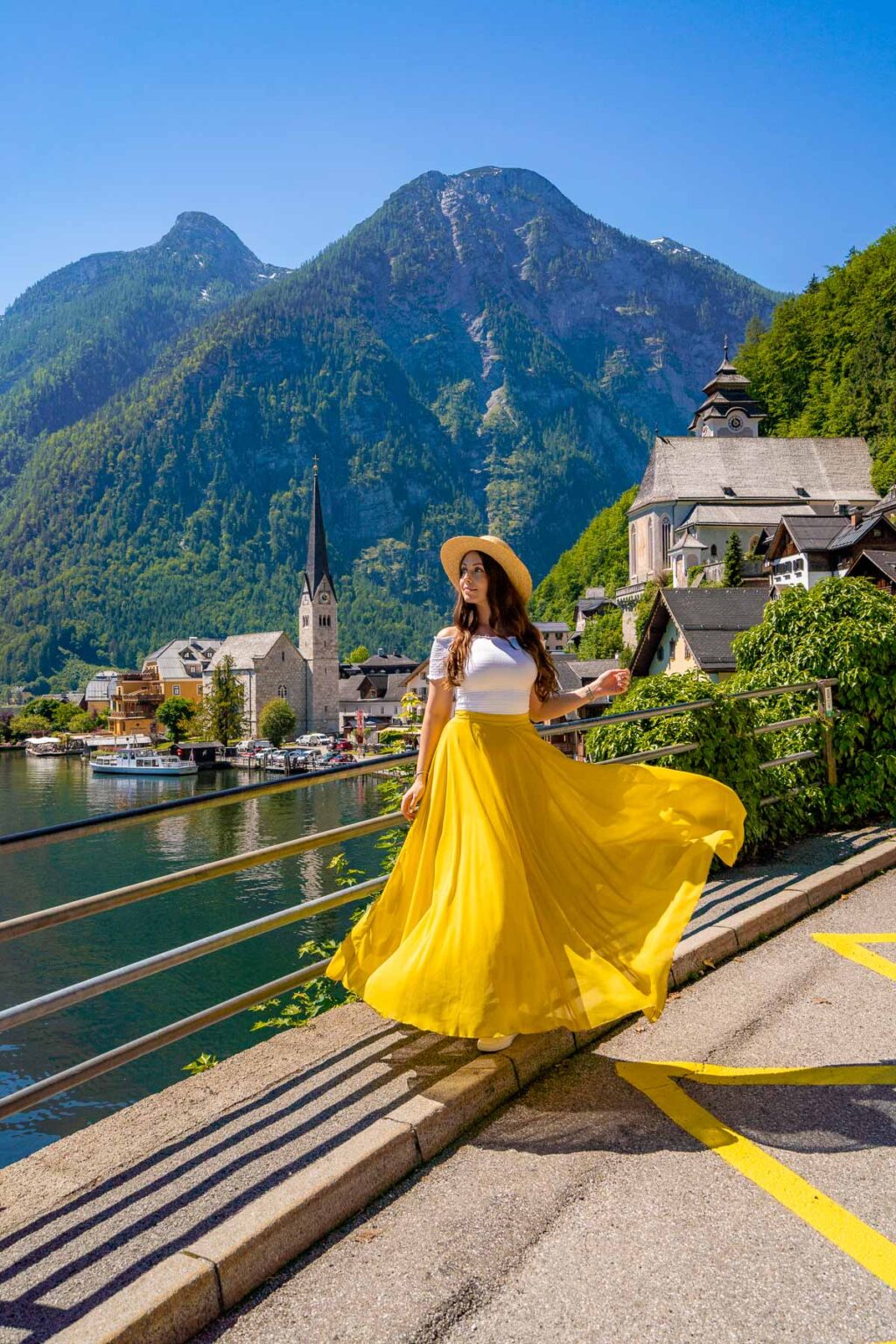
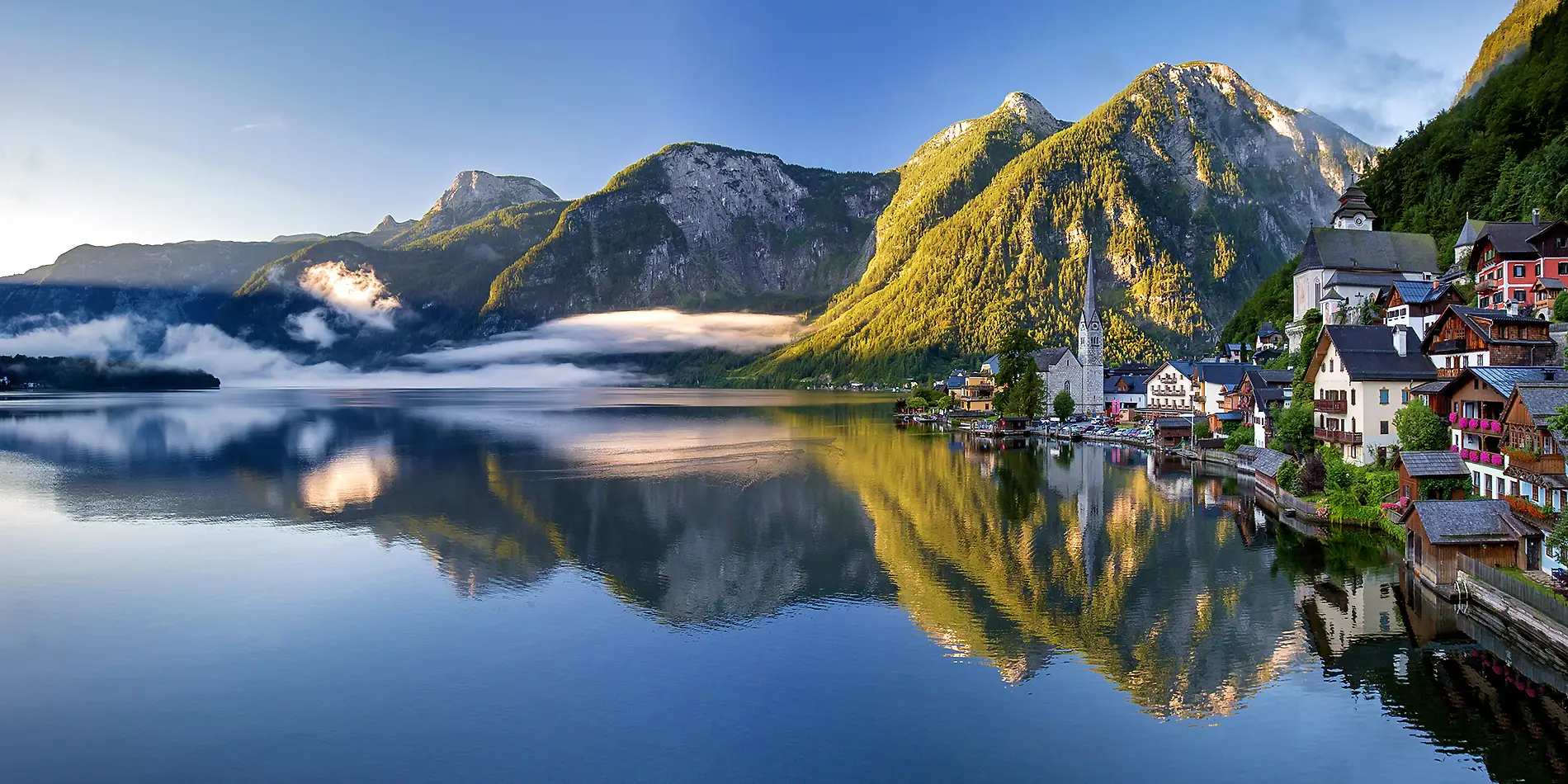
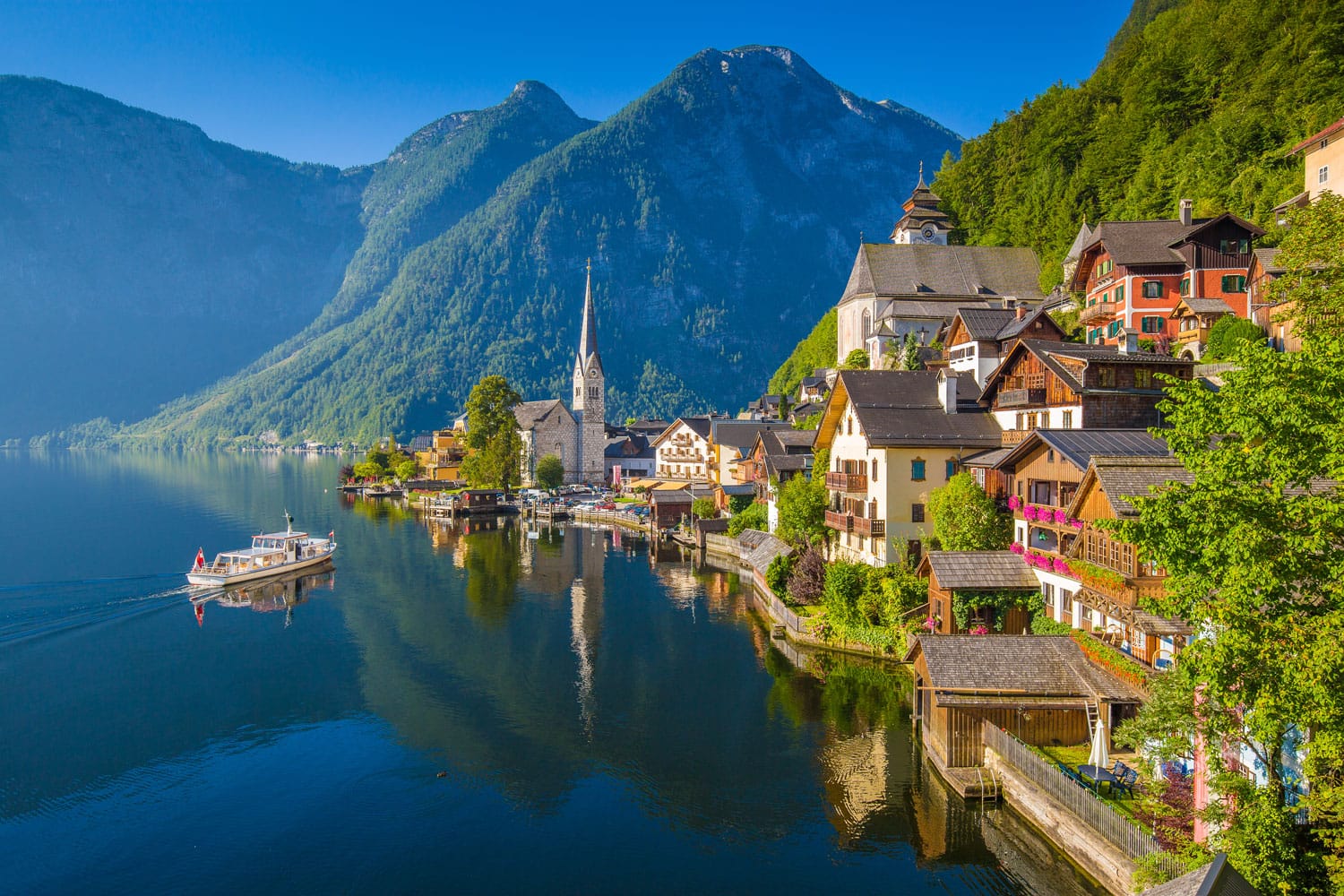
Offers the quintessential view of the wooden houses and the mountain reflection on the lake.
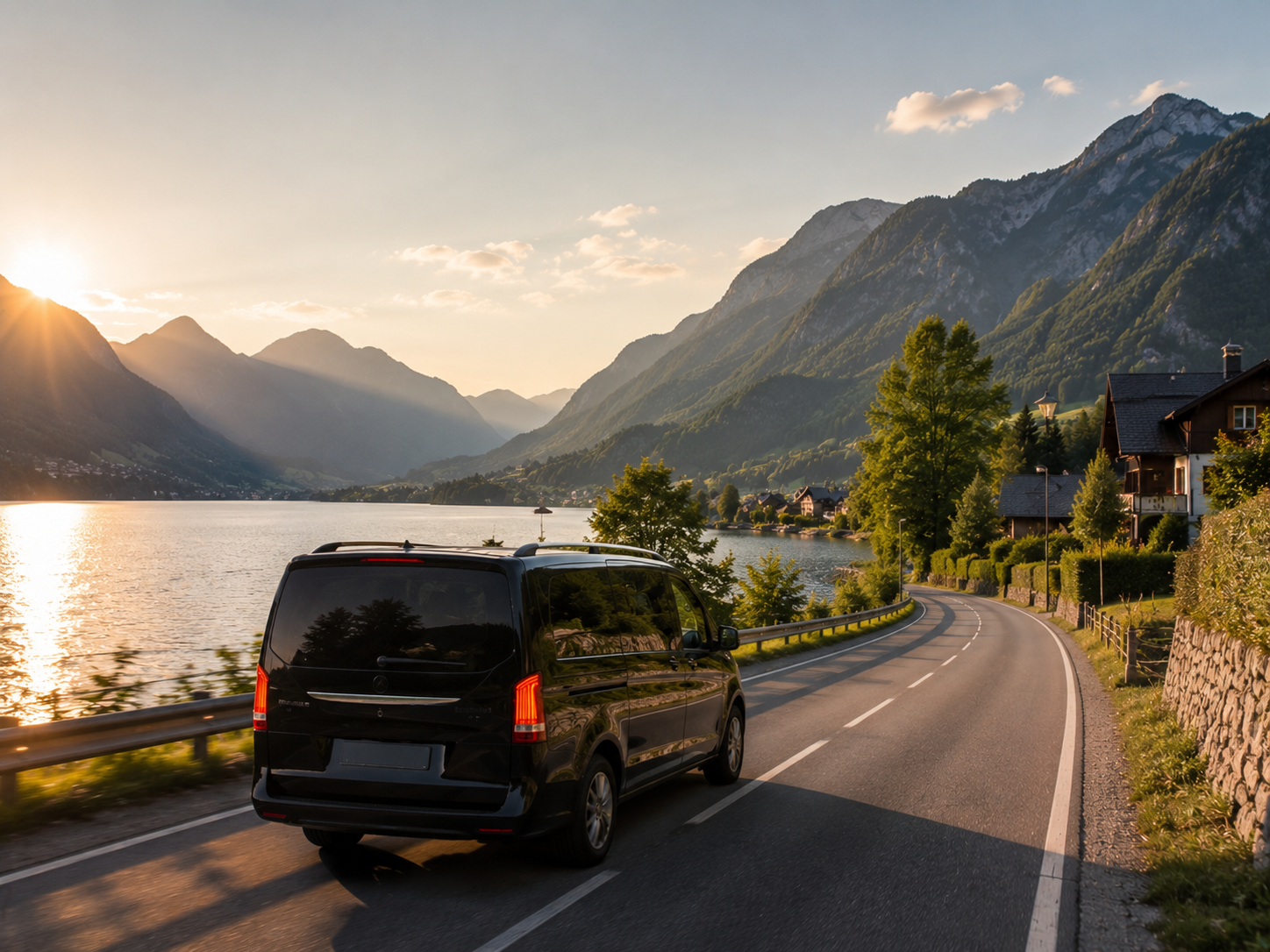
You leave Salzburg's Altstadt behind as the coach turns south onto the Wolfgangsee road, the Osterhorngruppe rising to your left. Forty minutes in, the first alpine lake appears—Fuschlsee, a deep teal strip between forested slopes.
Your guide points out the Schafberg peak across Wolfgangsee before the route turns east into narrower valleys.
The coach descends into Hallstatt from the tunnel above, the village appearing suddenly as a compressed line of colour between mountain and water. You step out at the northern car park; from here it's a ten-minute walk downhill on the Seestraße, past guest houses with geranium window boxes and hand-painted house names. The market square opens without warning—a triangle of cobbles where three lanes converge, tour groups clustered around the fountain, the lake glittering twenty metres away.
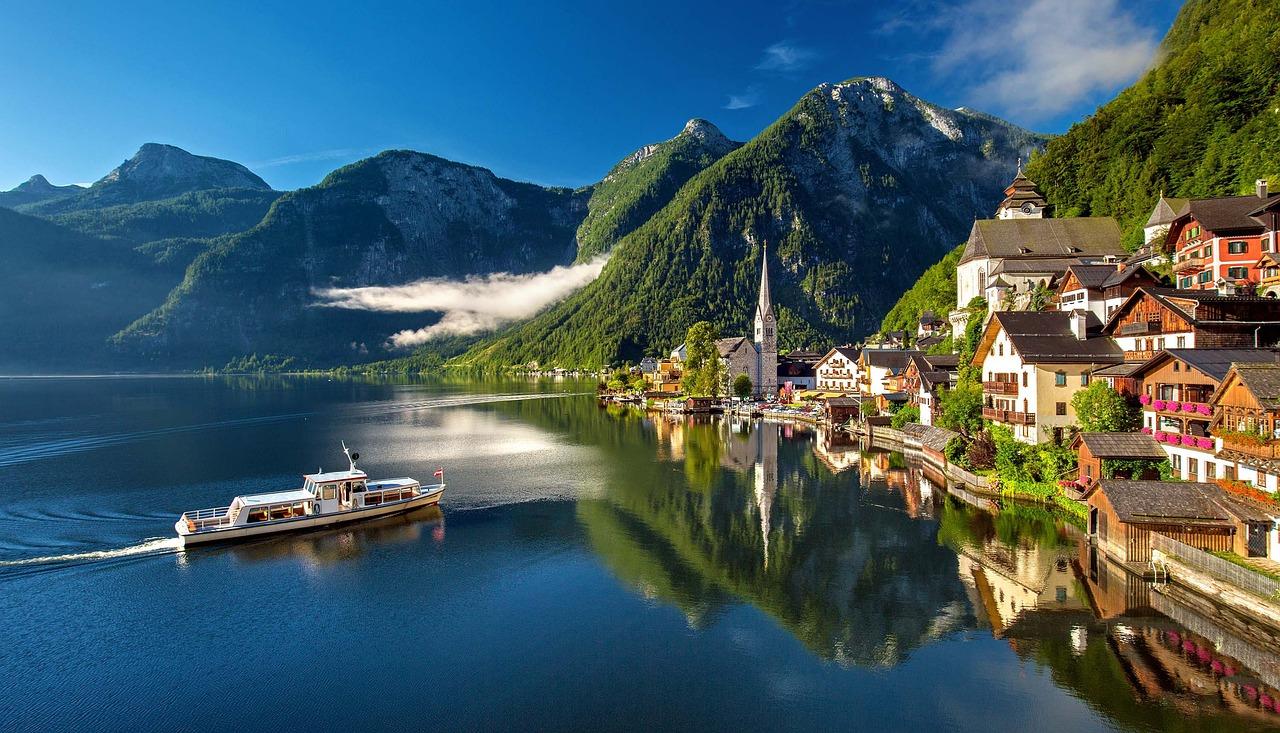
You climb the wooden steps to the church terrace for the canonical photograph: village houses stacked along the shore, boat jetties, the Dachstein's serrated ridge closing the southern horizon. The charnel house occupies a side chapel; its rows of decorated skulls rest on pine shelves in dim light. Back at lake level you follow the waterfront promenade, passing the Gasthaus zum Mühlbach and the sixteenth-century Marktplatz fountain. A cruise boat glides toward the southern landing; the water is cold and transparent, fed by snowmelt channels.
Your return window approaches. The coach waits at the upper car park; by mid-afternoon you're back on the Wolfgangsee road, the Salzkammergut receding behind you.
All the details about your upcoming adventure in one place
The village clings to a limestone shelf so narrow that until 1890 the dead were exhumed after fifteen years to make room for new burials.
Hallstatt's thousand residents share their cobbled lanes with two million annual visitors, drawn by a setting that compresses centuries of alpine vernacular architecture into a single lakeside strip beneath the Dachstein massif. Iron Age salt miners left the oldest wooden staircase in Europe inside the mountain above the village; their graves, excavated in the nineteenth century, gave the Hallstatt culture its name and established Central Europe's chronological framework for the first millennium BCE.
Today the village functions as both living community and open-air museum. Sixteenth-century guild houses press against the water's edge; their frescoed facades and overhanging upper stories follow construction codes written when timber was taxed by ground-floor footprint. The katholische Pfarrkirche perches on the only level ground, its Gothic nave sheltering a winged altar from 1510 and a charnel house holding twelve hundred painted skulls. The Hallstatt excursion from Salzburg bridges ninety kilometres of alpine geography in under ninety minutes, crossing from the Salzach basin into the Salzkammergut lake district through passes that isolated these valleys until railway tunnels pierced the massifs in the late 1800s.
The lakeside market square, barely wide enough for a single vehicle, becomes impassable between tour bus arrivals and cruise boat departures during midday hours. The village's vertical layering—lake level, market square, church terrace, salt mine tunnel—compresses three thousand years of continuous habitation into a topography where expansion was never an option. What survives is not a reconstructed heritage site but an inhabited settlement that still harvests salt from the Salzberg, still buries its dead in the cliff-edge cemetery, still depends on the ferry to reach the southern shore.
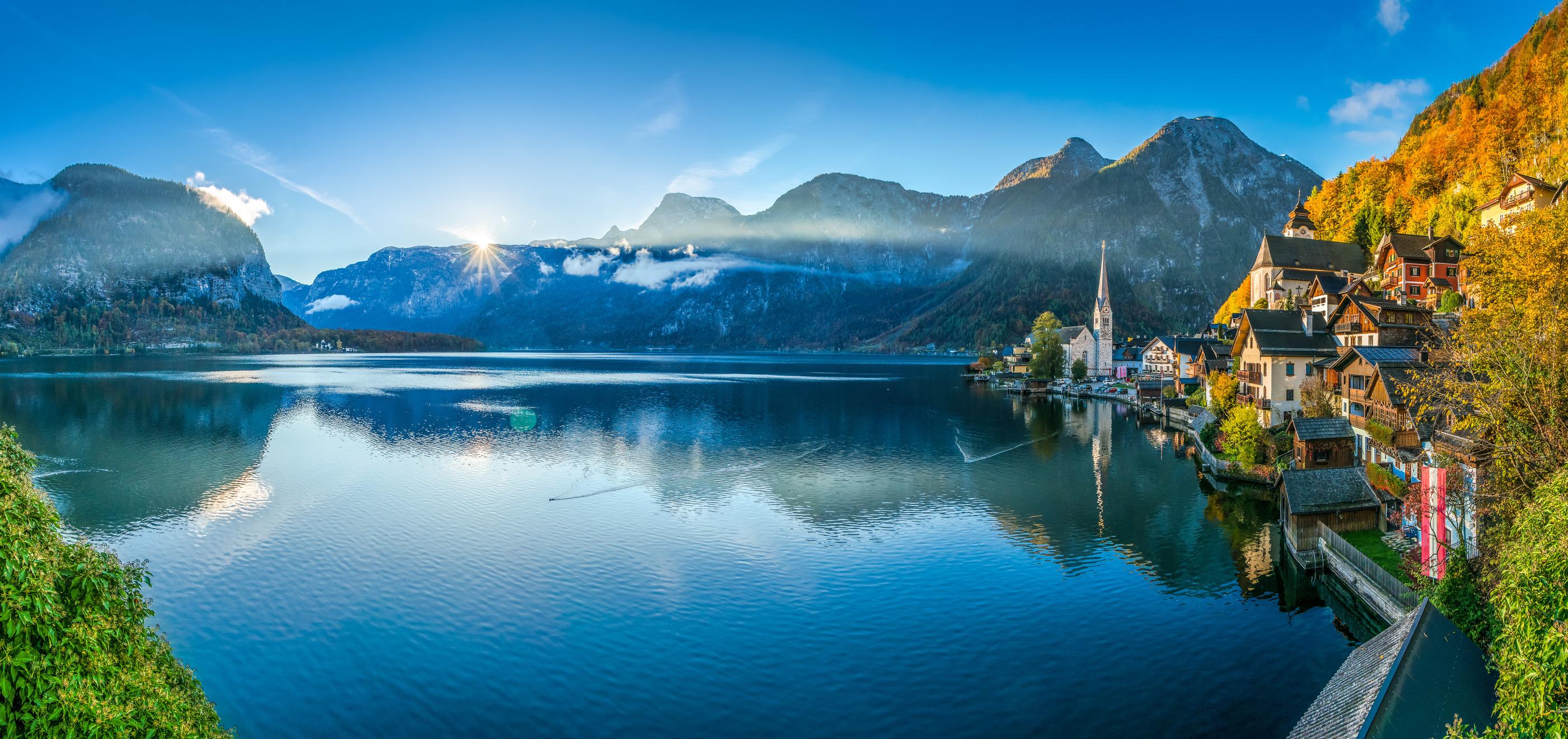
The alpine light here behaves differently than in the broad Salzburg plain. Morning sun reaches the western facades late; by mid-afternoon the Dachstein casts the village into shadow while the lake surface holds the last horizontal rays. This is why photographers queue at dawn for the northern viewpoint and why the Hallstatt excursion from Salzburg departing before eight o'clock offers a visual experience unavailable to later arrivals. The village reveals its structure most clearly when empty: the incremental logic of buildings added where bedrock permitted, the defensive clustering around the church, the water access points that served as the primary transport network until roadways were blasted into the cliff face in the twentieth century.

The village's vertical layering compresses three thousand years of continuous habitation into a topography where expansion was never an option.
Casual and practical. Sturdy walking shoes are recommended for the steep, uneven cobblestone streets and inclines.
Public areas have no security checkpoints. Luggage storage is available at the tourist office and cable car station.
Respect local residents' privacy. Do not use drones and avoid entering private gardens for photo opportunities.
The village is safe for families, but stay mindful of traffic-free status which does not preclude service vehicles. Keep children close on narrow walkways.
The historic center is pedestrianized and steep. While the lakeside promenade is flat, some streets may be challenging for limited mobility.
Numerous cafes and restaurants operate in the market square. Public consumption of food and drink is permitted, but please dispose of waste properly.
Opening Hours
Mon-Sun 00:00–23:59
Address
Hallstatt, 4830, Austria
Entry Fee
0 EUR (Free entry; village is a public residential area.)
Best Arrival
07:00–09:30 (Avoid daytime crowds)
Contact
+43 6132 26909400
Official Site
https://www.hallstatt.net
Public transport · 2.25h · ~15 EUR
Take the train to Hallstatt station and cross via ferry.
Car · 1.5h · Variable parking fees
Park at P1 or P2; shuttle bus services connect to the center.
As a public village, no entry tickets are required. For any pre-booked hallstatt excursion from salzburg tours, please check your specific operator's terms.
Recommended time
3-4 hours
To experience a hallstatt excursion from salzburg without the dense peak-hour throngs, a 3-4 hour window is sufficient to explore the lakefront and narrow village alleys. Arriving during the 07:00–09:30 best arrival window allows you to navigate the UNESCO heritage site before large tour groups arrive. While many travelers seek hallstatt excursion from salzburg tickets for transport, the village itself is a public residential area with 0 EUR entrance fee. Consider that finding space on popular observation decks becomes more difficult as the day progresses.
Crowd levels through the day
Weather · crowds · average price — dots go green to amber to red as each metric rises.
Mild temperatures; ideal for walking tours before the peak summer crowds arrive.
Plan your hallstatt excursion from salzburg to arrive before 09:30.
Hallstatt's human story begins around 800 BCE, when Celtic tribes discovered the mountain's white gold. The Hallstatt culture, named after this alpine settlement, mastered deep-shaft mining techniques that extracted salt from the Salzberg massif. By 400 BCE, over two thousand miners worked underground, their wealth visible in the elaborate grave goods archaeologists later unearthed in the hillside cemetery. The salt trade routes stretched across Europe, making Hallstatt a Bronze and Iron Age economic engine. When Roman legions arrived in 15 BCE, they formalized the industry, engineering new tunnels and taxing every block of salt that descended to the valley. Medieval Hallstatt belonged to the Benedictine monastery of Traunkirchen, which controlled mining rights from 1311. Fire destroyed much of the village in 1750, prompting a rebuild in the vernacular alpine style that survives today. The salt mine never closed; by 1846, the Rudolfsturm funicular was hauling ore, making it one of the world's earliest industrial cable railways. Tourism arrived in 1846 when Archduke Johann commissioned the first lakeside path, but the village remained a working settlement. In 1997, UNESCO inscribed the Hallstatt-Dachstein region as a cultural landscape, recognizing eight millennia of continuous human presence. Today, a Hallstatt excursion from Salzburg reveals layers of survival: prehistoric burial grounds, medieval mine shafts, and a lakeside square where salt miners' descendants now serve visitors. The salt mine still operates as both heritage site and active extraction facility, yielding roughly forty thousand tons annually. Every cobblestone lane and timber balcony reflects a community that chose adaptation over abandonment, turning scarcity into identity.
Celtic miners establish the Hallstatt culture and begin systematic salt extraction from the Salzberg mountain.
The settlement reaches its zenith with over two thousand workers and extensive trade networks across Iron Age Europe.
Roman annexation brings engineering advances and formal taxation to the salt industry.
The Benedictine abbey of Traunkirchen acquires mining monopoly and ecclesiastical control of the valley.
A devastating fire destroys the village core, leading to reconstruction in the alpine timber style visible today.
Archduke Johann commissions the lakeside promenade, opening Hallstatt to early alpine tourism.
UNESCO designates Hallstatt-Dachstein a World Heritage cultural landscape, recognizing its continuous eight-thousand-year human occupation.
Digital tourism and social media transform the village into a global destination, straining infrastructure and prompting resident-led access policies.
Stand at the northern edge of the village along Gosaumühlstraße to capture the iconic perspective of the church spire rising above traditional alpine houses. Planning a hallstatt excursion from salzburg allows you to reach this spot early before the tour buses arrive.
Position yourself near the lakefront promenade to frame the slender spire against the sheer mountain backdrop. This angle highlights the lakeside architecture that defines every hallstatt excursion from salzburg tour.
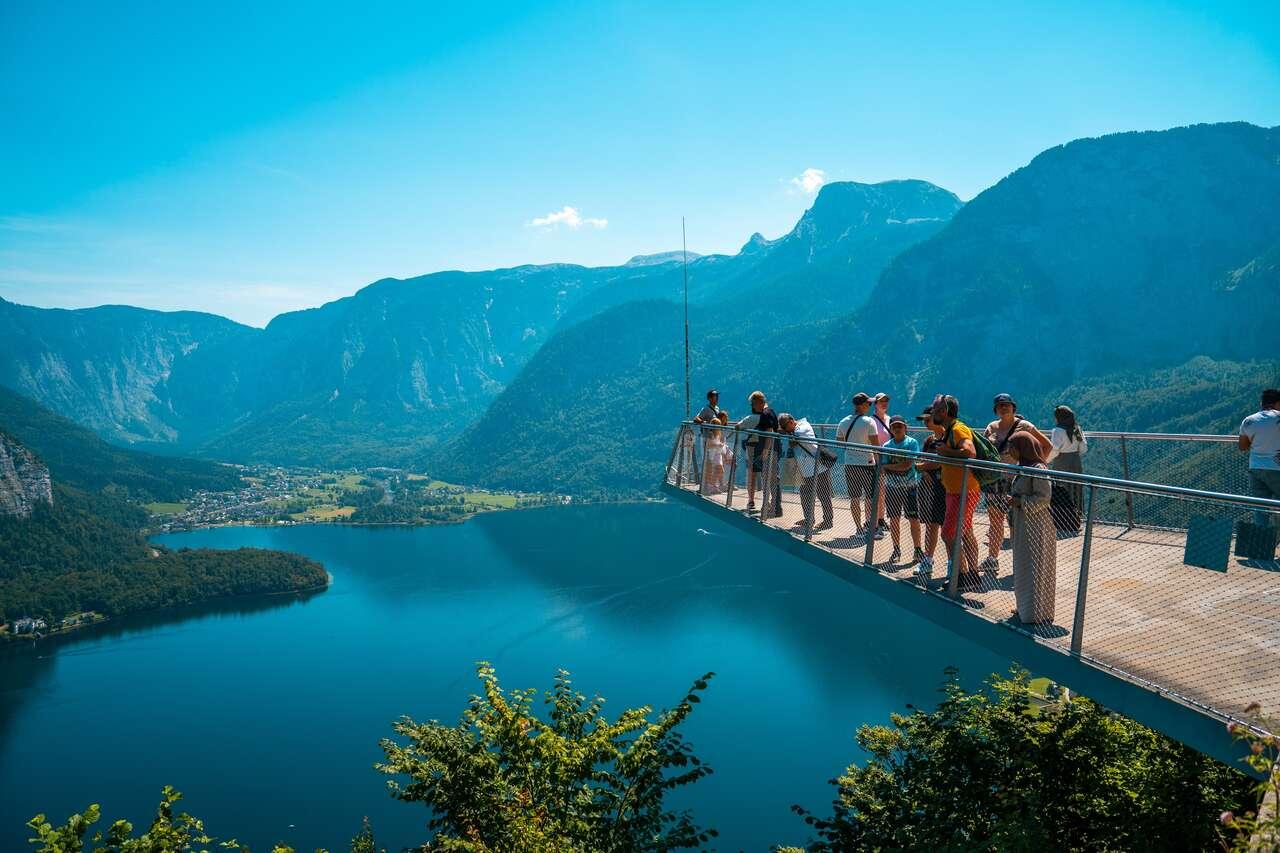
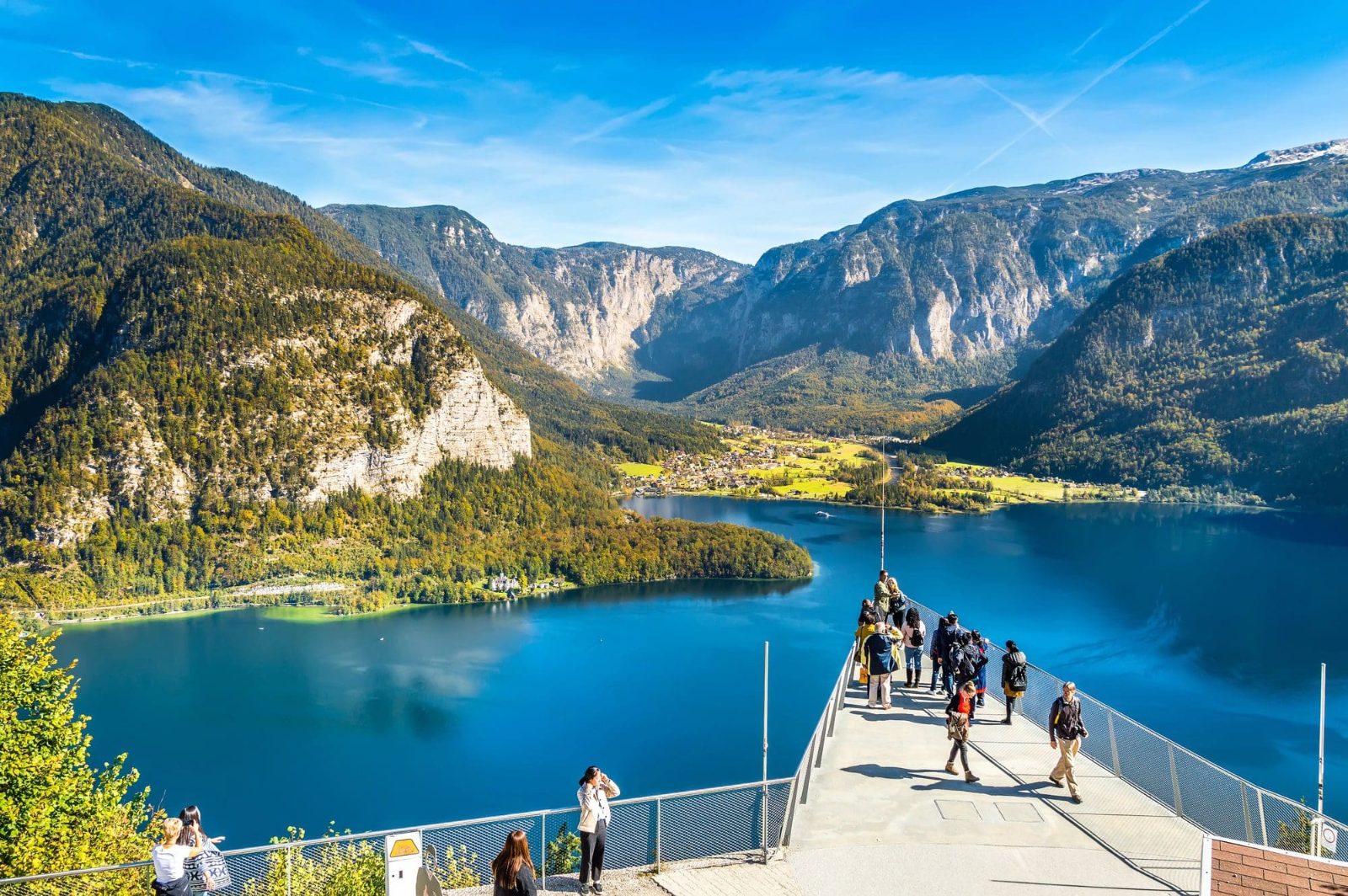
Take the funicular to this elevated platform for a panoramic shot of the Dachstein mountains and the deep blue water below. Visitors interested in hallstatt excursion from salzburg tickets often include this high-altitude vista to document the entire region.
Capture the historic timber-framed facades and the central fountain in the heart of the village. This location provides a dense urban composition ideal for those documenting their hallstatt excursion from salzburg experiences in detail.
Planning a hallstatt excursion from salzburg requires preparation, as the village features narrow, cobbled pathways and steep inclines. Navigating this historic destination with children is manageable when you prioritize early arrival to avoid the busiest times.
Use a compact, lightweight stroller or a baby carrier, as the village center involves uneven stone streets and stairs that are difficult for large prams.
Public restrooms are available, and you can find baby-changing facilities in select central locations near the main parking areas.
To ensure a pleasant hallstatt excursion from salzburg tour, plan frequent rest stops along the lakefront to let children explore the swans and alpine scenery.
The village is well-suited for school-aged children who can manage the walking required for this hallstatt excursion from salzburg tickets experience, while infants are best kept in carriers.
Arriving within the 07:00–09:30 window is essential to avoid dense groups, making the narrow alleys much safer and easier to navigate with young family members.
Visitors planning a hallstatt excursion from salzburg will find a variety of lakeside dining options clustered around the central market square. While the village remains a public residential area, these venues offer traditional Austrian fare perfect for a quick pause before continuing your Hallstatt landmark tour.
Located near the salt mine funicular, this spot offers hearty regional dishes and lake views. It serves as a solid choice for those seeking a seated lunch after finishing their hallstatt excursion from salzburg tours.
Everything you need to know for your journey
Yes, Hallstatt is a public village and is accessible at all hours.
No, the village itself is free, but guided hallstatt excursion from salzburg tours may require tickets.
Arriving between 07:00 and 09:30 is recommended to avoid heavy crowds.
There is 0 EUR entrance fee for the village as it is a public residential area.
No, drone usage is strictly prohibited in the village for privacy reasons.
No, the village is car-free; you must park at P1 or P2.
The most scenic route for a hallstatt excursion from salzburg is via train and ferry.
Some parts are steep, but the lakeside paths are generally accessible.
Yes, luggage storage is available at the tourist office.
Historic center with the Holy Trinity statue.
Famous for its spire visible from the lake.
Houses a collection of painted human skulls.
The world's oldest salt mine accessed via cable car.
Central square location with lake views.
Historic building in the heart of the village.
Quiet guesthouse near the lake.
Join thousands of happy travelers who have discovered this incredible experience
Book Your Experience Now